Follow Us on Google Discover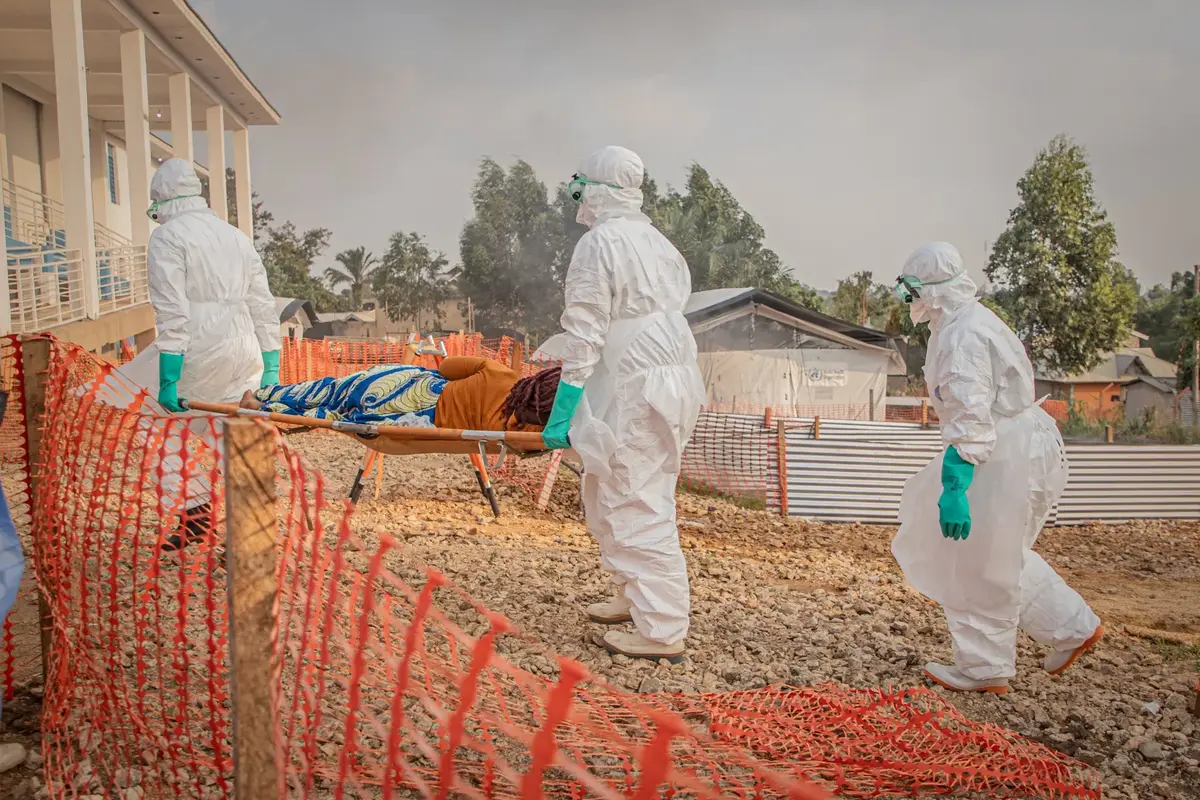
Kenya has confirmed its first case of Ebola after a Kenyan national who recently returned from the Democratic Republic of Congo tested positive for the virus and died in Nairobi.
Kenyan Health Minister Aden Duale disclosed the development on Tuesday, October 6, 2026, while briefing the media on the country’s response to the case.
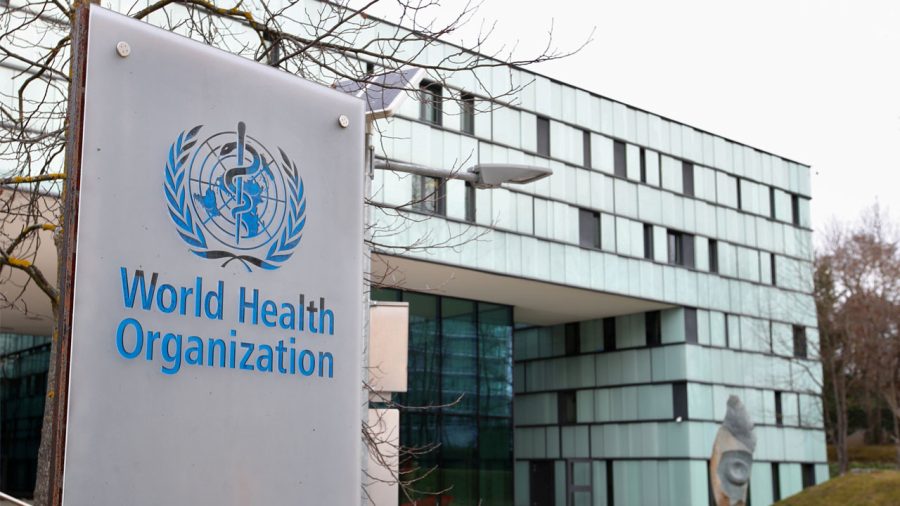
The development makes Kenya the second country outside the Democratic Republic of Congo to record a case linked to the current outbreak after Uganda, which recorded cases earlier in the year before the World Health Organization declared the country Ebola-free in August.
Kenya confirms Bundibugyo Ebola case
The patient, who had lived in the Democratic Republic of Congo for about seven years, reportedly fell ill about a month ago and received treatment at several hospitals there before travelling by road to Kampala, Uganda, and subsequently boarding a flight to Nairobi on Saturday.
Duale said the patient underwent routine screening at Nairobi’s main airport before a relative took him to Nairobi Hospital. He was later transferred to an isolation facility after his condition worsened and doctors suspected a viral haemorrhagic fever.
- “Doctors suspected a viral haemorrhagic fever based on his symptoms and travel history and collected samples for testing. The sample tested positive for Ebola Bundibugyo virus,” Duale said.
The patient developed symptoms including fever, chills, severe fatigue, painful swallowing, muscle pain and bleeding under the skin before dying at about 11:30 p.m. on Monday. Kenyan health authorities have identified at least 28 people who had direct contact with him, including relatives and healthcare workers, while officials are also tracing 23 passengers and four crew members who were aboard the same flight to Nairobi.
Bundibugyo outbreak tops 4,000 deaths
Uganda became the first country outside the Democratic Republic of Congo to report cases linked to the current Ebola outbreak shortly after the DRC declared the outbreak in May.
Two deaths were recorded in Uganda before the World Health Organization declared the country free of the disease in August following the required period without a new confirmed case.
- The outbreak has since developed into the deadliest Ebola epidemic in the Democratic Republic of Congo’s history.
- The outbreak is caused by the Bundibugyo species of Ebola, a relatively rare strain for which there are currently no approved vaccines or specific treatments.
- Latest figures cited by the WHO put the toll at 4,082 deaths from 8,463 cases since the emergence of the Bundibugyo outbreak.
The spread to Kenya follows Uganda’s earlier cases and comes as authorities across the region strengthen efforts to prevent further transmission of the virus.
Nigeria strengthens Ebola preparedness
Nigeria has stepped up measures aimed at preventing the importation and spread of Ebola as the outbreak has expanded beyond the Democratic Republic of Congo.
- In early June, President Bola Tinubu approved the establishment of a Presidential Task Force on Ebola Virus Disease Preparedness and Emerging Public Health Threats, alongside the release of N10 billion in emergency funding to strengthen the country’s preparedness.
- The move followed assurances from the Nigeria Centre for Disease Control and Prevention in May that no confirmed Ebola case had been recorded in the country despite concerns over the Bundibugyo outbreak in Central Africa.
- Also in May, the Federal Airports Authority of Nigeria activated enhanced Ebola response measures across the country’s international airports.
- The measures include strengthened passenger surveillance, screening and emergency preparedness protocols.
The measures form part of Nigeria’s efforts to prevent imported Ebola cases as the outbreak continues to spread beyond the Democratic Republic of Congo.