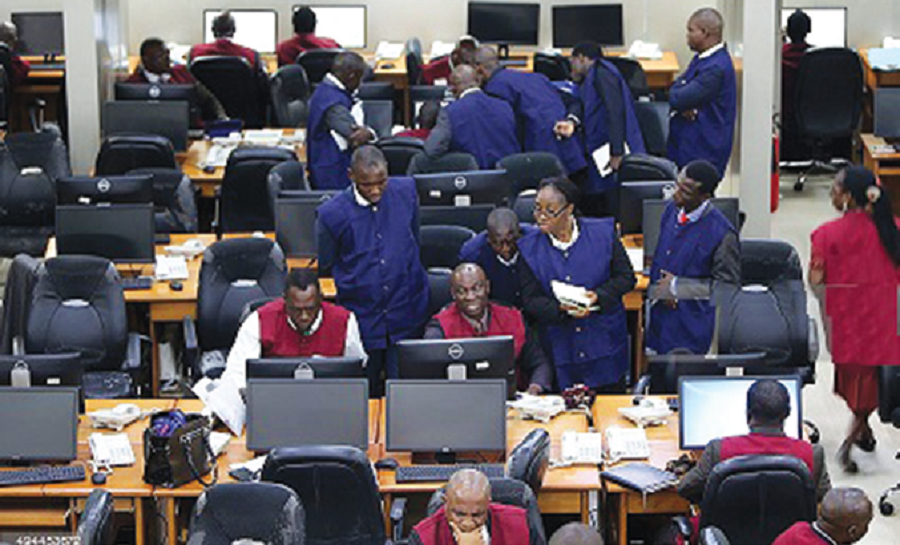
Nigeria’s headline inflation rate eased slightly to 15.06% in February 2026, down from 15.10% in January 2026, according to the latest data released by the National Bureau of Statistics (NBS).
Although the decline is marginal, it signals a modest stabilization in overall price pressures across the country.
However, national averages do not fully reflect the reality experienced by households.

Cost-of-living conditions vary significantly from state to state due to differences in security situations, supply chains, transportation costs, agricultural output, and market dynamics. In some states, inflationary pressures remain elevated, while others are experiencing relatively lower price increases.
Based on state-level headline inflation data for February 2026, the following are the Top 10 most affordable states to live in, ranked by the lowest headline inflation rates and supported by food inflation figures, which directly impact household spending.
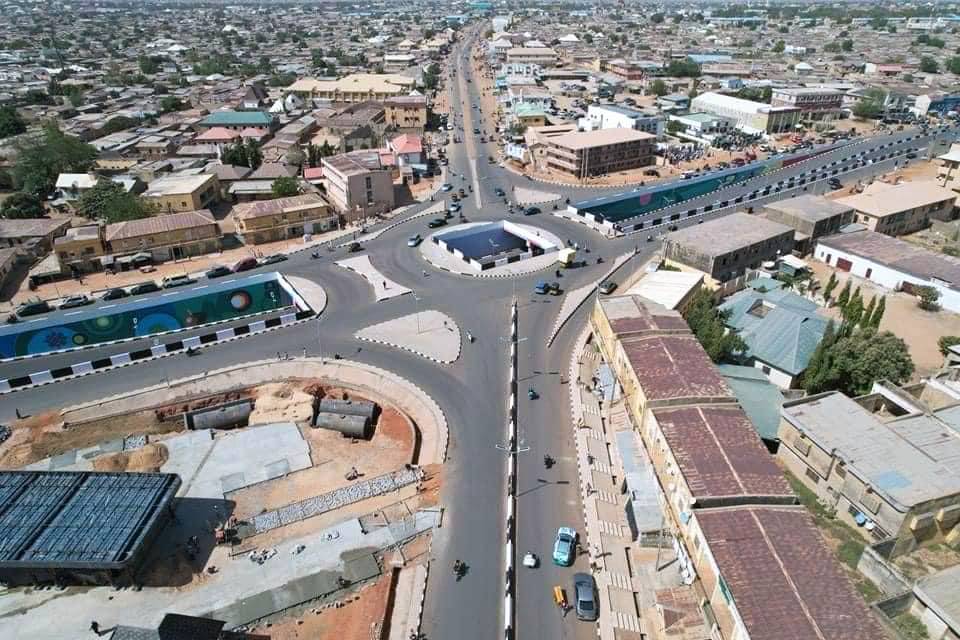
Kaduna ranks fifth, with a headline inflation rate of 13.52%. Food inflation remains moderate at 11.6%, indicating relatively balanced price conditions across essential consumer goods.
In late 2025 and early 2026, the Kaduna State Government, led by Governor Uba Sani, launched a series of initiatives to combat inflation and ease the cost of living. Central to these efforts is the “Budget of Transformation for Inclusive Development” for 2026, which emphasizes agricultural support, fiscal discipline, and direct relief measures for households.
The 2026 budget allocates 11% of total spending to agriculture and food security, building on significant investments from previous years. Key interventions include the distribution of hundreds of trucks of free fertilizer to smallholder farmers, the expansion of year-round farming programs, and the development of irrigation systems, all aimed at boosting food production and ensuring a more stable supply of essential commodities.