Nigeria’s headline inflation rate eased slightly to 15.06% in February 2026, down from 15.10% in January 2026, according to the latest data released by the National Bureau of Statistics (NBS).
Although the decline is marginal, it signals a modest stabilization in overall price pressures across the country.
However, national averages do not fully reflect the reality experienced by households.

Cost-of-living conditions vary significantly from state to state due to differences in security situations, supply chains, transportation costs, agricultural output, and market dynamics. In some states, inflationary pressures remain elevated, while others are experiencing relatively lower price increases.
Based on state-level headline inflation data for February 2026, the following are the Top 10 most affordable states to live in, ranked by the lowest headline inflation rates and supported by food inflation figures, which directly impact household spending.
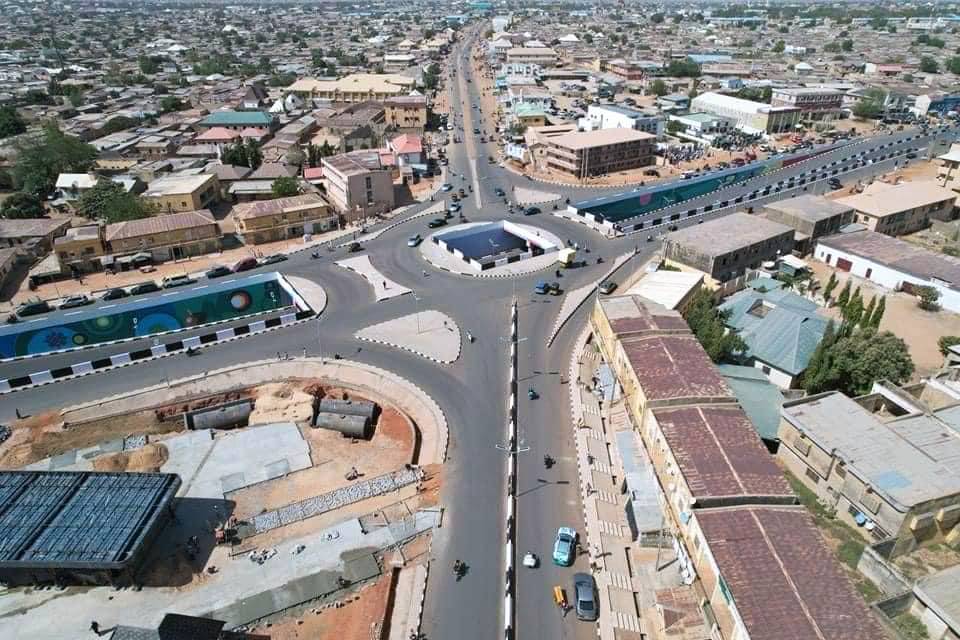
Bauchi stands out for its notably low food inflation rate of just 7.1%, making it particularly attractive in terms of food affordability. Its headline inflation of 13.60% also positions the state among the more stable economies in Nigeria.
In early 2026, the Bauchi State Government, led by Governor Bala Mohammed, rolled out several initiatives to curb inflation and ease the high cost of living. Central to these efforts is the “Budget of Consolidation and Sustainability,” complemented by targeted economic empowerment programs aimed at improving livelihoods across the state.
The Governor signed the 2026 Appropriation Bill, valued at N877 billion, into law, with a strong emphasis on capital expenditure, which accounts for 65% of total spending compared to 35% for recurrent costs. This allocation is designed to drive growth in key sectors such as agriculture, infrastructure, and healthcare, with the broader goal of stimulating sustainable economic development and improving the welfare of residents.