Nigeria’s headline inflation rate eased slightly to 15.06% in February 2026, down from 15.10% in January 2026, according to the latest data released by the National Bureau of Statistics (NBS).
Although the decline is marginal, it signals a modest stabilization in overall price pressures across the country.
However, national averages do not fully reflect the reality experienced by households.
Cost-of-living conditions vary significantly from state to state due to differences in security situations, supply chains, transportation costs, agricultural output, and market dynamics. In some states, inflationary pressures remain elevated, while others are experiencing relatively lower price increases.
Based on state-level headline inflation data for February 2026, the following are the Top 10 most affordable states to live in, ranked by the lowest headline inflation rates and supported by food inflation figures, which directly impact household spending.
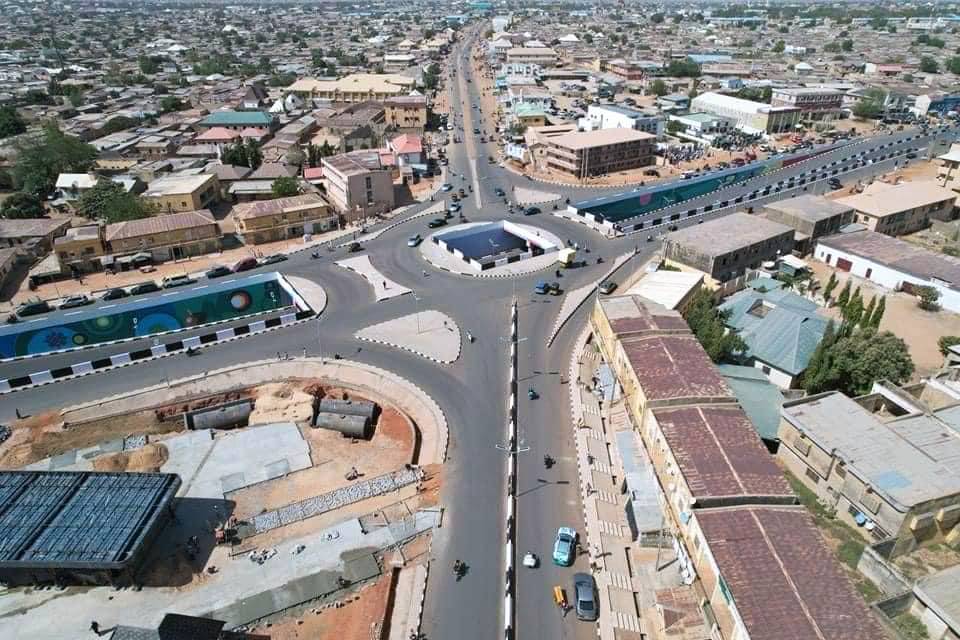
As a major commercial hub in northern Nigeria, Kano records a headline inflation rate of 14.17%. Its food inflation, at 11.8%, points to a relatively controlled cost environment, supported by strong trade networks and market accessibility.
In 2026, the Kano State Government, led by Governor Abba Kabir Yusuf, has rolled out a series of measures to tackle inflation and ease the cost of living. Central to this strategy is a record N1.47 trillion budget signed into law on January 1, 2026, with a focus on infrastructure expansion, agricultural development, and fiscal discipline to stabilise prices.
The budget provides N26.36 billion for agriculture to boost food production, alongside targeted investments in rural access and community development aimed at lowering food costs and improving supply chains.
In addition, the state government has approved a new minimum wage of N71,000, a move expected to enhance workers’ purchasing power and improve overall living standards.