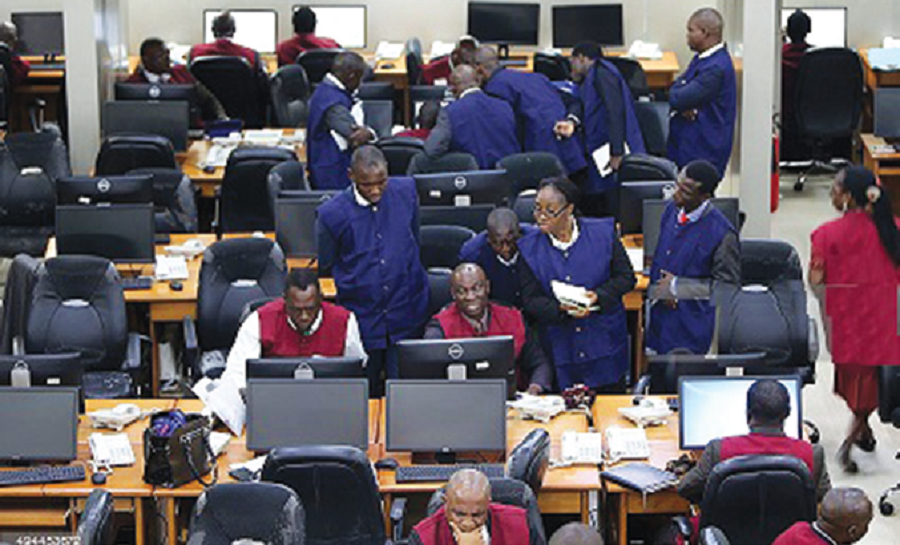
Nigeria’s headline inflation rate eased slightly to 15.06% in February 2026, down from 15.10% in January 2026, according to the latest data released by the National Bureau of Statistics (NBS).
Although the decline is marginal, it signals a modest stabilization in overall price pressures across the country.
However, national averages do not fully reflect the reality experienced by households.

Cost-of-living conditions vary significantly from state to state due to differences in security situations, supply chains, transportation costs, agricultural output, and market dynamics. In some states, inflationary pressures remain elevated, while others are experiencing relatively lower price increases.
Based on state-level headline inflation data for February 2026, the following are the Top 10 most affordable states to live in, ranked by the lowest headline inflation rates and supported by food inflation figures, which directly impact household spending.
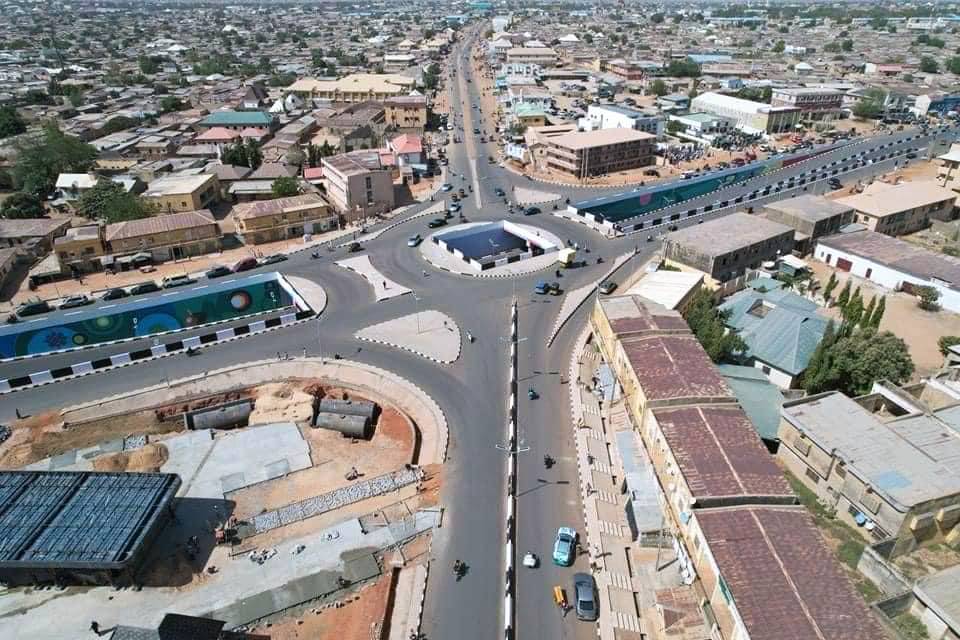
Borno ranks ninth, recording a headline inflation rate of 14.88%. While this suggests a relatively moderate cost environment, food inflation remains elevated at 16.1%, underscoring persistent supply chain and distribution challenges in parts of the state.
In response, the Borno State Government, led by Governor Babagana Umara Zulum, has intensified efforts to cushion the impact of rising prices through a mix of social intervention programmes and long-term economic strategies.
These include large-scale distribution of food palliatives, increased investment in agriculture to boost local supply, and a 2026 budget framework focused on recovery and growth.
As part of immediate relief measures, the state government commenced the distribution of food palliatives to about 300,000 vulnerable households across all 27 local government areas. The intervention, carried out around the Ramadan period, included essential staples such as rice, millet, and sugar, aimed at easing the burden of rising food costs.
On the fiscal side, the governor presented a 2026 budget initially valued at N890.33 billion, later revised to N892.4 billion. A significant portion—N537 billion—is dedicated to capital expenditure, with a focus on infrastructure development and economic expansion, measures expected to lower the cost of doing business and improve overall market efficiency in the state.