Follow Us on Google Discover
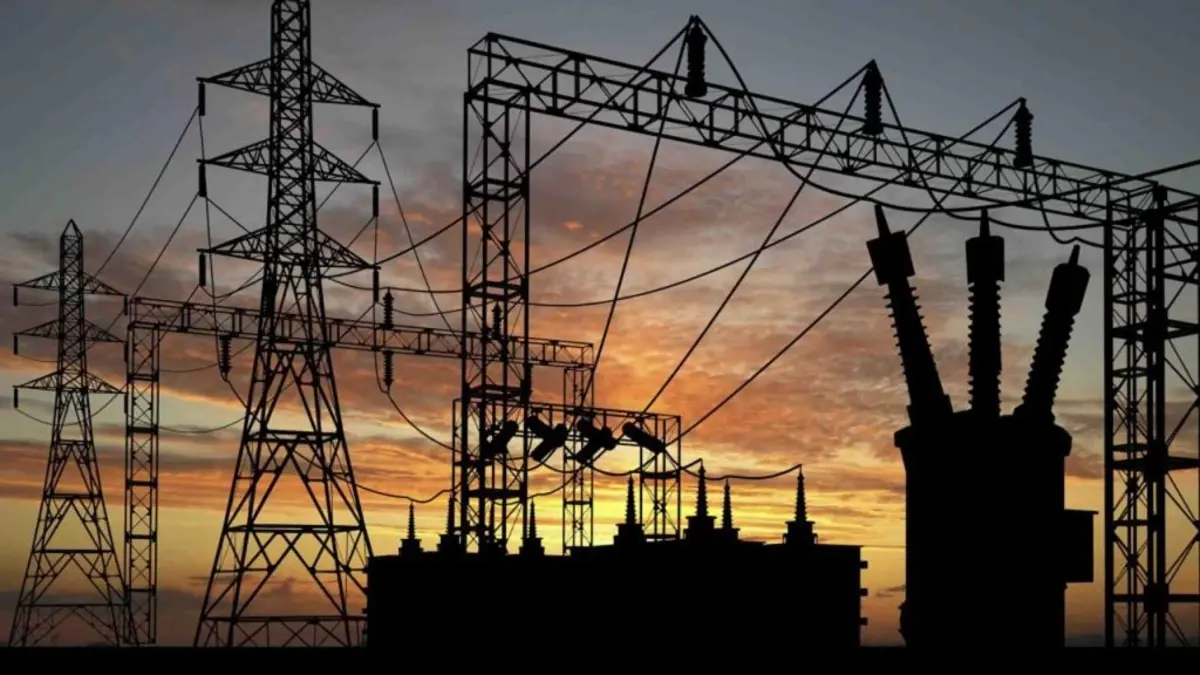
The Nigerian Independent System Operator (NISO) has attributed Friday’s electricity disruption in parts of the country to the tripping of multiple transmission lines, ruling out a national grid collapse.
This is according to a statement issued by NISO’s management on Friday, November 20, 2026.
The operator said the incidents began with the tripping of the Omotosho-Ikeja West transmission line, causing significant load losses within the Lagos Complex and other parts of the country before the affected lines were restored.
Transmission line trips disrupt electricity supply
NISO said the first incident occurred at 12:34 pm when the Omotosho-Ikeja West transmission line tripped, resulting in a significant load drop within the Lagos Complex.
Also Read
At 12:50 pm, three other transmission lines, namely Ihovbor-Oshogbo, Benin-Egbin and Ihovbor-Ajaokuta, also tripped, leading to electricity load losses in some parts of the country.
The operator clarified that the incident was not a system-wide collapse but a transmission line disturbance.
- “The Nigerian Independent System Operator (NISO) wishes to clarify that the grid disturbance experienced earlier today was not a system collapse, but a result from the tripping of some transmission lines, which caused load losses in parts of the country,” the statement read.
Following the incidents, NISO said emergency response measures were activated by relevant operational teams in coordination with the Transmission Company of Nigeria (TCN) to stabilise the grid and restore the affected lines.
The operator confirmed that all four affected lines had been successfully restored to normal operation as of 2:49 pm on Friday. It also advised the public to rely on its official communications for accurate information about developments on the national electricity grid.
Gas supply dispute raises generation concerns
The latest transmission line disturbance comes amid concerns over declining electricity generation in Nigeria, which has contributed to power outages and shorter supply hours across parts of the country.
On November 5, 2026, NISO attributed the decline in electricity generation to gas supply constraints affecting thermal power plants and reduced output from hydroelectric stations due to lower water inflows into reservoirs.
- The system operator said the constraints had reduced the volume of electricity available for distribution to consumers, resulting in shorter supply hours and increased load shedding across distribution networks.
- However, the Nigerian National Petroleum Company Limited (NNPC) disputed the gas supply explanation a day later, reporting about 10% growth in gas production volumes in 2026 year to date.
- NNPC said its gas transportation network, operated by its subsidiary, NNPC Gas Infrastructure Company Limited (NGIC), had recorded no transportation-related constraints affecting deliveries to power generating stations nationwide.
The company called for a coordinated assessment involving gas suppliers, transporters, power generators and NISO. It argued that the generation shortfall should also be examined in relation to commercial supply arrangements, actual gas deliveries, power plant readiness and maintenance schedules.
DisCos and TCN disagree over outages
Power disruptions in parts of Lagos and Abuja have previously been attributed to reduced electricity allocations and technical faults.
Nairametrics reported on October 19, 2026, that Ikeja Electric blamed insufficient grid allocations for supply constraints, while the Abuja Electricity Distribution Company (AEDC) cited technical faults affecting communities in the Federal Capital Territory.
- Ikeja Electric said reduced allocations limited supply across its franchise areas.
- AEDC reported faults affecting Kado Fish Market, Life Camp Extension, Nizamiye Hospital and other communities.
In a separate development, the Transmission Company of Nigeria (TCN) accused Ikeja Electric of misleading customers by attributing feeder outages in Lagos to grid instability.
TCN said 68% of interruptions recorded on Ikeja Electric’s feeders on November 1 and 2 resulted from low generation, while 26% were linked to the DisCo’s load allocation non-compliance, network faults and maintenance. The remaining 6% involved TCN maintenance, switching operations and line limitations.
Of 46 interruptions recorded, TCN attributed 29 to low generation, 14 to Ikeja Electric and three to scheduled maintenance. It also urged DisCos to rely on NISO’s verified information when explaining grid disturbances to customers.