Follow Us on Google Discover
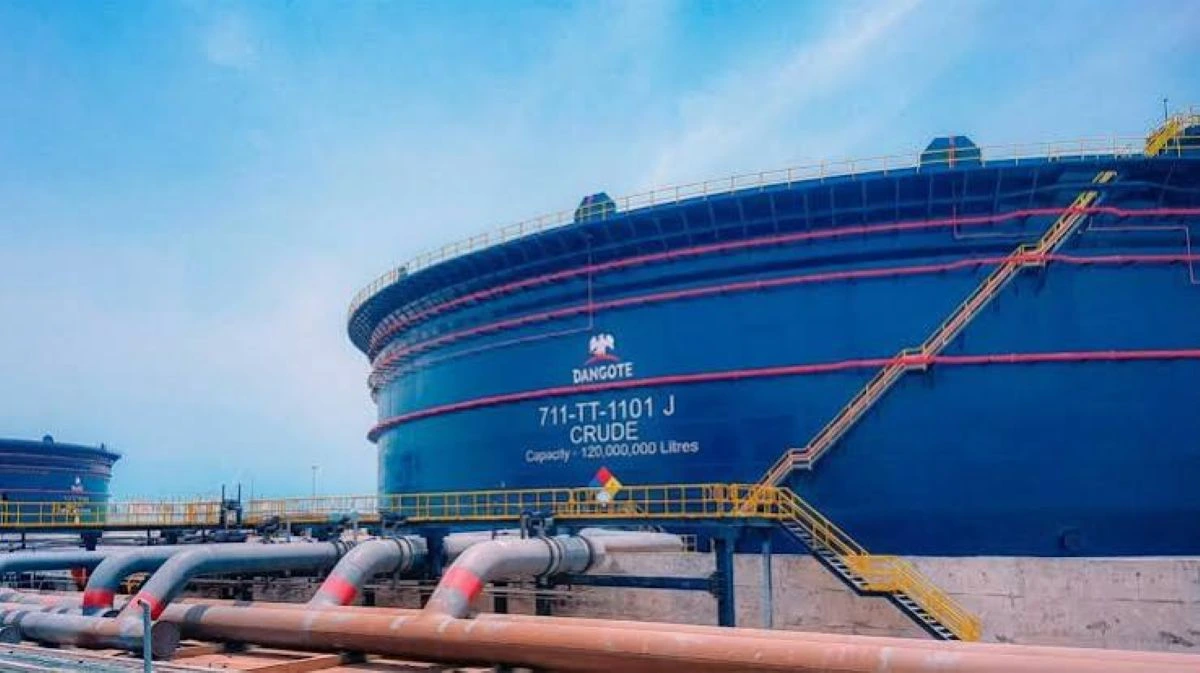
Botswana is seeking a fuel supply agreement with Aliko Dangote as part of efforts to diversify its petroleum sources and protect the country against supply disruptions linked to the Iran war.
The country’s Minister of Minerals and Energy, Bogolo Kenewendo, disclosed this in an interview with Bloomberg in Gaborone, saying Botswana was also engaging other African suppliers to strengthen fuel security.
The landlocked southern African nation imports all its refined petroleum products because it has no proven crude oil reserves or refineries, leaving it vulnerable to international price increases and disruptions along regional supply routes.
Botswana engages Dangote, Angola on fuel supply
The Iran war has disrupted crude shipments and increased global energy prices, prompting African governments to seek alternative fuel supplies, including from Dangote Refinery.
Also Read
- “Because we are clear that we never want to have any fuel insecurity, we’ve engaged Dangote, we’ve engaged Angola, we’ve engaged Cote d’Ivoire to ensure that they can supply us,” Kenewendo said.
- “We have diversified our routes to Mozambique and to Namibia, and in order for those routes to work properly, we need to have good storage facilities, coastal storage facilities, in both areas,” she added.
Botswana has already secured a supply arrangement with Oman, with OQ Trading delivering its first diesel shipment for the country through Mozambique’s Port of Matola on October 9.
The government is also exploring supplies through a proposed pipeline that Dangote plans to develop from a terminal at Namibia’s Walvis Bay port through southern Africa.
According to Kenewendo, the alternative supply corridors would require adequate coastal storage infrastructure to support fuel distribution and reduce reliance on traditional routes through South Africa.
Dangote Refinery expands African fuel exports
Botswana’s engagement comes as Dangote Refinery expands its presence in African petroleum markets while continuing to supply Nigeria’s domestic fuel requirements.
The Lagos-based refinery has attracted growing interest from African governments seeking to diversify their sources of refined petroleum products following disruptions caused by the Iran war.
- In March 2026, Nairametrics reported that international traders lifted 12 cargoes containing 456,000 tonnes of refined petroleum products from the refinery for markets including Ivory Coast, Cameroon, Tanzania, Ghana and Togo.
- Earlier that month, Nairametrics reported increased supply inquiries from African governments, including South Africa, as countries sought alternatives to fuel supplies affected by the conflict.
- In December 2024, the refinery disclosed that it had exported petrol to Cameroon, Angola, Ghana and South Africa, alongside diesel and aviation fuel shipments to European markets.
These developments show that Dangote Refinery’s expansion into African markets predates the Iran war, although recent supply disruptions have increased interest in its petroleum products.
African governments intensify fuel security measures
Beyond Botswana’s efforts to secure alternative suppliers, other African countries are taking steps to protect domestic fuel availability as global energy prices remain under pressure.
The measures range from restrictions on petroleum exports to increased domestic refining, while governments face growing costs associated with cushioning consumers against higher energy prices.
- In October 2026, Niger banned petrol and diesel exports to prioritise domestic consumption, although specially authorised exports of surplus supplies by SONIDEP and SORAZ remain permitted.
- A September 2026 United Nations Development Programme policy brief indicated that global fossil-fuel subsidies could exceed $1 trillion in 2026 as governments absorb part of the energy-price shock.
In Nigeria, Dangote Group’s H1 2026 Macroeconomic Report revealed that the refinery supplied approximately 50 million litres of petrol daily to the domestic market during the first half of 2026 while expanding exports.
The increase in domestic refining has helped Nigeria reduce its dependence on imported petroleum products, even as other African countries seek new supply arrangements to protect their markets from disruptions.