Follow Us on Google Discover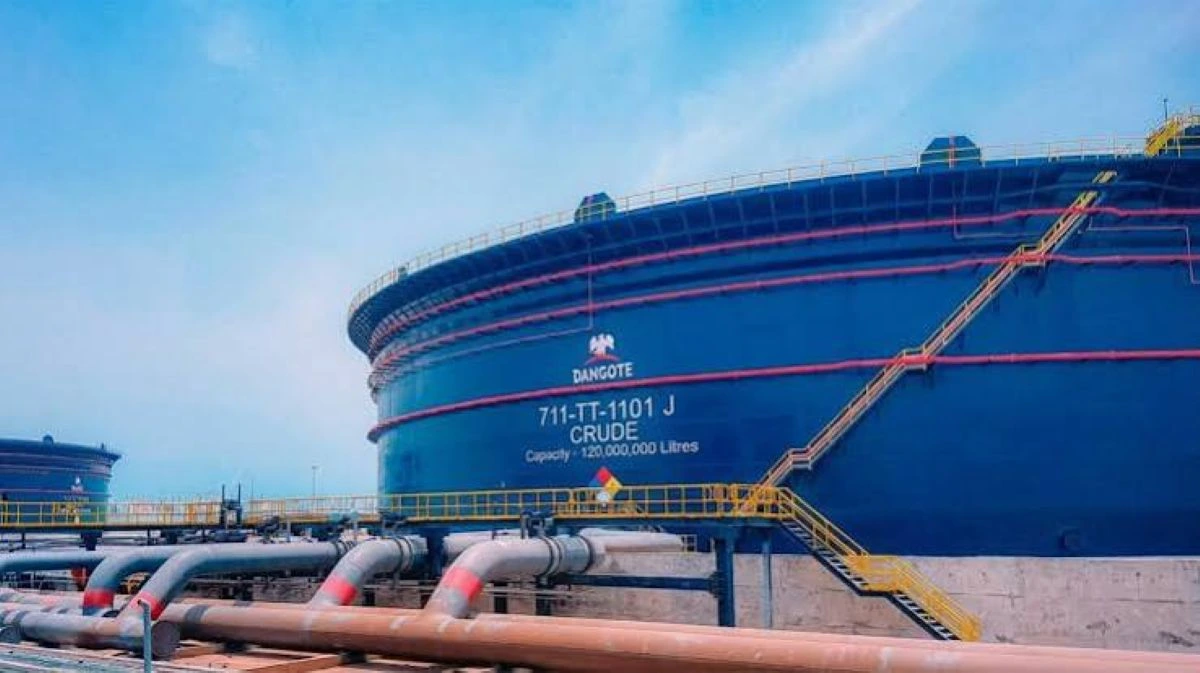
Dangote Petroleum Refinery is planning to price shares in its upcoming initial public offering (IPO) at N525 per share, potentially raising about $1.5 billion as the company prepares for what could become Africa’s largest public offering.
Reuters reported the planned pricing on Friday, citing two people with direct knowledge of the deal, who spoke on condition of anonymity because the terms of the proposed offering remain private.
The sources said the refinery is targeting an opening of its order book on September 14, while Dangote Refinery declined to comment on the proposed terms.
The latest details come after Aliko Dangote said that the IPO was expected to open within the next 10 to 12 days.
Also Read
What they are saying
According to sources familiar with the proposed transaction, Dangote Group plans to sell 4.1 billion shares in the refinery at N525 each, potentially generating about $1.5 billion.
The sources did not disclose what percentage stake in the Lagos-based refinery the 4.1 billion shares would represent.
The proposed offer will also include a 15% greenshoe option.
- In simple terms, this would allow the company to sell additional shares if investor demand exceeds the number of shares initially offered, potentially enabling Dangote Refinery to raise more than its initial $1.5 billion target.
The fundraising is expected to support Dangote Group’s plans to double the refinery’s capacity from its current 650,000 barrels per day to 1.4 million barrels per day.
Get up to speed
Earlier on Friday, Nairametrics reported that the initial public offering of the Dangote Refinery, Africa’s largest oil refinery, was expected to open within the next 10 to 12 days.
Aliko Dangote disclosed the timeline while speaking with investors and analysts during a business meeting in Botswana.
- Dangote said the planned IPO forms part of the company’s broader ambition to significantly expand the refinery’s production capacity.
The proposed September 14 opening date reported by Reuters would place the start of the order book within the timeline previously outlined by Dangote.
- The company has also been strengthening its financial position ahead of the offering. Dangote Refinery previously raised $2.5 billion through a private placement, while also securing a $1 billion underwriting programme from investors ahead of the planned IPO.
Meanwhile, the proposed Kenya refinery represents Dangote’s most ambitious refining expansion outside Nigeria.
The project is expected to replicate elements of the group’s Lagos refining model and could require an estimated $17 billion investment, with construction projected to take up to five years. Once completed, the refinery is expected to supply refined petroleum products across Kenya and neighbouring East African countries, reducing the region’s dependence on imported fuels.
What you should know
The planned IPO comes as Dangote Refinery pursues a major expansion of its Nigerian operations.
- Dangote has said the group’s long-term ambition is to double the refinery’s capacity from 650,000 barrels per day to 1.4 million barrels per day, further strengthening its position as one of the world’s largest refining facilities.
The refinery is already having a growing impact on Nigeria’s economy.
Nigeria’s oil refining sector recorded its strongest quarterly growth in the second quarter of 2026, expanding by 43.94% year-on-year, according to the National Bureau of Statistics’ Q2 2026 GDP report, as increased output from the Dangote Refinery lifted domestic refining activity.
Its impact is also increasingly being felt beyond Nigeria.
- Data from the U.S. Energy Information Administration showed that Nigeria’s seaborne refined petroleum exports to Europe surged by about 767% to 130,000 barrels per day in the second quarter of 2026, compared with 15,000 barrels per day in 2023, driven largely by increased production from the Dangote Refinery.
With an IPO expected within days, a potential London listing for Dangote Cement and the launch of its Kenya refinery project later this month, the final months of 2026 could mark one of the busiest expansion periods yet for Africa’s largest industrial conglomerate.