
 Follow Us on Google Discover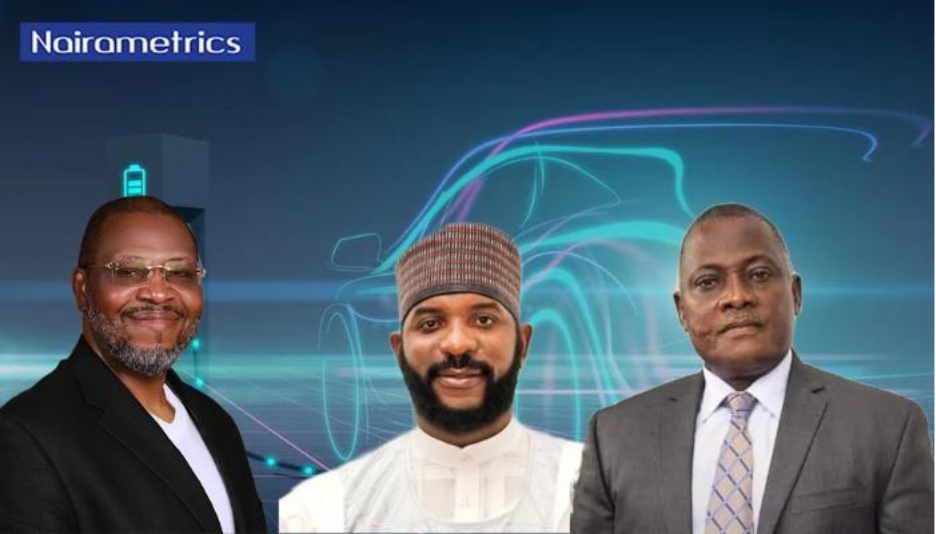
The global automotive industry is rapidly shifting toward electric vehicles (EVs) as countries seek to reduce carbon emissions and meet the Paris Agreement’s goal of net-zero emissions by 2050.
Developed economies are leading this transition, while developing countries, including Nigeria, face economic and infrastructural constraints that have slowed adoption.
Nigeria has committed to decarbonising road transportation through EV adoption.
According to the country’s Energy Transition Plan, launched in 2022, it aims for a 100% transition to electric vehicles by 2060, with Lagos State targeting 2050.
Also Read
The federal government also instituted a National Action Plan for the Development of Electric Vehicles (EVDP), aiming for at least 30% of vehicles produced locally to be electric by 2032, alongside efforts to reduce reliance on imported vehicles.
Despite these policy measures, EV adoption in Nigeria is constrained by limited charging infrastructure, inconsistent electricity supply, and comparatively low economic capacity.
However, private companies have entered the market, assembling and selling EVs domestically while also producing other vehicle types such as saloon cars, SUVs, trucks, buses, and intracity three- and four-wheelers. These initiatives indicate gradual growth in Nigeria’s electric mobility sector.
This article spotlights the companies assembling electric vehicles in Nigeria and the founders and owners driving their growth.
Chief Diana Chen – CIG Motors
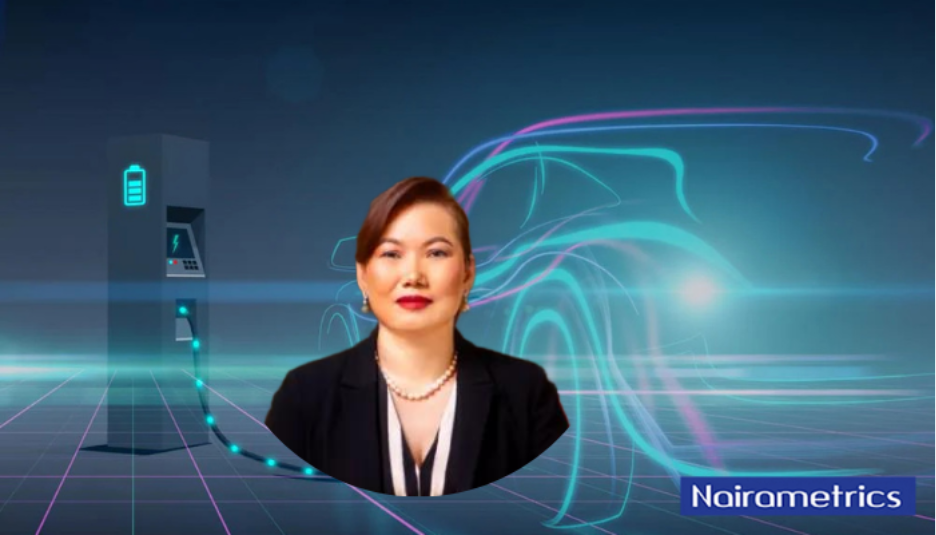
Chief Diana Chen, a graduate of Peking University HSBC Business School, leads CIG Motors, the Nigerian subsidiary of the Choice International Group (CIG). She founded CIG 23 years ago, leveraging extensive expertise in African markets and international trade to drive electric mobility initiatives in Nigeria.
CIG Motors secured a joint venture with the Lagos State Government to set up an assembly plant in Lagos for EVs and implement the LAGRIDE smart taxi initiative. The company assembles complete knock-down (CKD) electric vehicles and maintains service facilities in Lagos and Abuja. Its EV lineup includes the Wuling Bingo, the Macaron Mini EV, and the YEP E260S. These vehicles are part of ongoing plans to expand Lagos’s EV fleet, with over 3,000 EVs expected in the next three years, including 100 added to LAGRIDE in September 2025.
Beyond EVs, CIG Motors also represents leading Chinese automotive brands in Nigeria, including GAC Motors, JMC Motors, Dongfeng Motors, FAW Group, and Wuling Motors, assembling and distributing sedans, SUVs, trucks, and intracity three- and four-wheelers to meet local demand.
Sunil Vaswani – Stallion Group
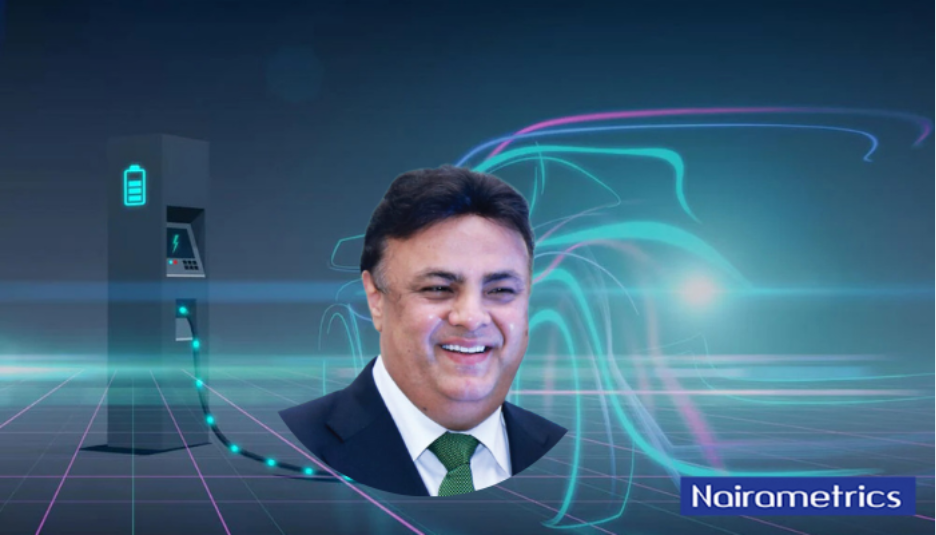
Sunil Vaswani is the Chairman of the Stallion Group, under which Stallion Group Nigeria operates. A British and Nigerian citizen, Vaswani was born in India, grew up in Nigeria, and studied economics and accounting in London. He currently resides in Dubai’s upscale Emirates Hills.
Stallion Group Nigeria assembled and unveiled the Hyundai KONA Electric in 2021, making it one of the first electric vehicles introduced into the Nigerian market. The 64 kWh version can accelerate from 0 to 100 km/h in 7.6 seconds, features adjustable regenerative braking for energy efficiency, and has a modern interior with a center console and shift-by-wire controls.
In addition to EVs, Stallion Group Nigeria assembles and distributes a broad range of vehicles, including sedans, SUVs, trucks, buses, and intracity three- and four-wheelers such as the Bajaj RE. The company represents several global brands, including Hyundai, Honda, Nissan, Changan, Ashok Leyland, and Morris Garages.
Kelechi Orji – Roxette Motors
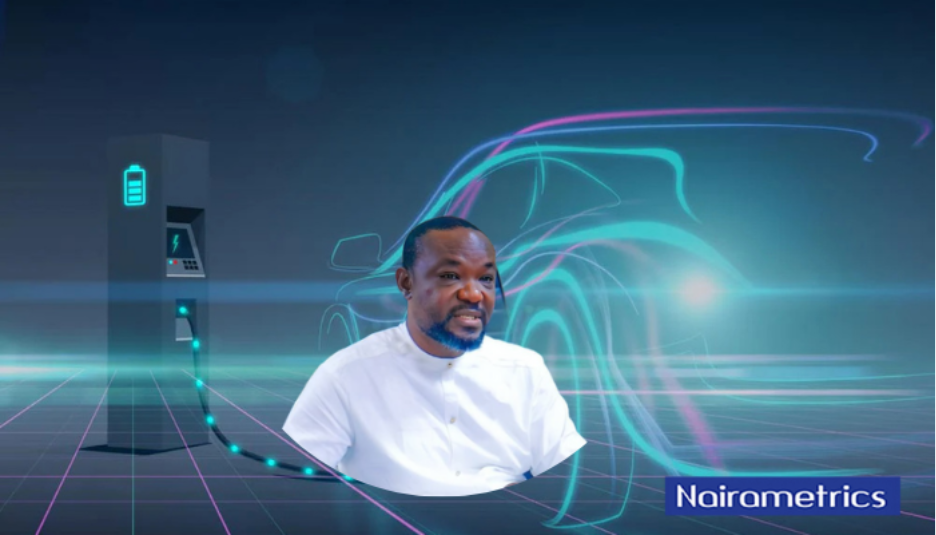
Kelechi Orji is the founder and Chief Executive Officer of Roxette Motors, a subsidiary of the Roxettes Group. An architect by training, Orji earned his BSc, Master’s, and PhD degrees in Architecture from Abia State University.
Roxette Motors operates a factory at the Eco-Drives Green Metropolis in Obuaku Industrial City Free Trade Zone, Abia State, where it assembles electric vehicles as well as petrol-powered, compressed natural gas (CNG), and hybrid vehicles. Its portfolio covers saloon cars, SUVs, pickups, compact and subcompact cars, luxury cars, and transit buses.
The EV models include the Blaze X, an electric pickup, and the Lumen-vx7, an electric SUV. Roxette has also established dedicated charging stations in Lagos, Enugu, Imo, Anambra, and Abia States to support adoption.
Tolu Williams – Siltech
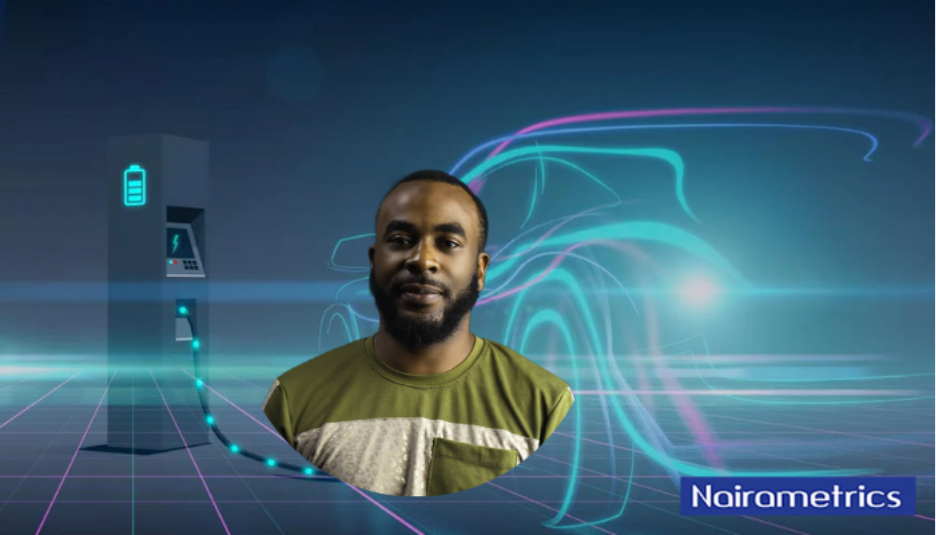
Tolu Williams, founder of Siltech, is a Nigerian entrepreneur shaping the country’s electric mobility space. A lawyer by training, Williams earned his law degree from the University of East Anglia in the United Kingdom before completing his legal education at law school. He later broadened his business expertise with a programme in Creative Business Enterprise at the Lagos Business School.
His early education took place at Atlantic Hall School, Corona Schools, and The Grange School in Nigeria. He also obtained the Irish Leaving Certificate from St. Columba’s College in Dublin, Ireland before advancing to university.
Williams has built over a decade of experience in electric mobility across Africa. He worked with MAX, serving as Head of E-Mobility in Nigeria and later as Electric Vehicle Lead in Ghana, before directing his efforts toward expanding Siltech.
Siltech operates as an electric mobility ecosystem company in Nigeria, assembling batteries and electric vehicles, while also providing consultancy and after-sales services. Its product range covers two- and three-wheel electric vehicles and quads, with models such as the E Skyline X, the E Hyder, and electric wheelchairs.
Prince Mustapha Audu – Electric Motor Vehicle Company (EMVC)
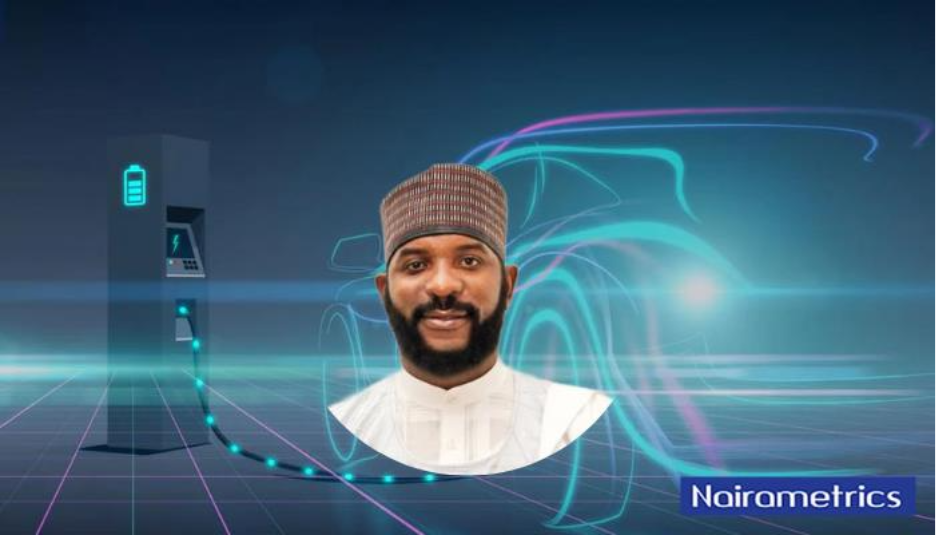
Prince Mustapha Audu is the Chief Executive Officer of the Electric Motor Vehicle Company (EMVC), an indigenous Nigerian automaker that assembles both electric and hybrid vehicles in Nigeria as part of its mission to deliver sustainable mobility solutions. He is the son of the late Prince Abubakar Audu, former governor of Kogi State, and holds a Bachelor’s degree in Computing Science from the University of Glasgow.
Headquartered along the Abuja–Lokoja Expressway in Gwagwalada, EMVC entered the electric vehicle market in 2022 with the launch of its first models — the Adoja M1 electric tricycle and the Adoja M2 electric car. Since then, the company’s product line has expanded to include electric motorcycles, tricycles, small cargo vehicles, and cars, with some units featuring solar panels or tracking systems as optional add-ons.
Among its products, the Adoja car delivers a range of 125 to 250 kilometres per charge with a maximum speed of 60 kilometres per hour. The Bama motorcycle can reach speeds of up to 100 kilometres per hour. The Igwe and Obong three-wheelers cover between 125 and 200 kilometres per charge, with top speeds of 50 and 40 kilometres per hour, respectively.
In 2025, EMVC partnered with the Nasarawa State Government to roll out a mix of its vehicles, including Igwe three-wheelers for economic empowerment and entrepreneurship programmes, Adoja Mini sedans for ride-hailing services, and electric SUVs for official use by state officials.
Chidi Ajaere – Jet Systems
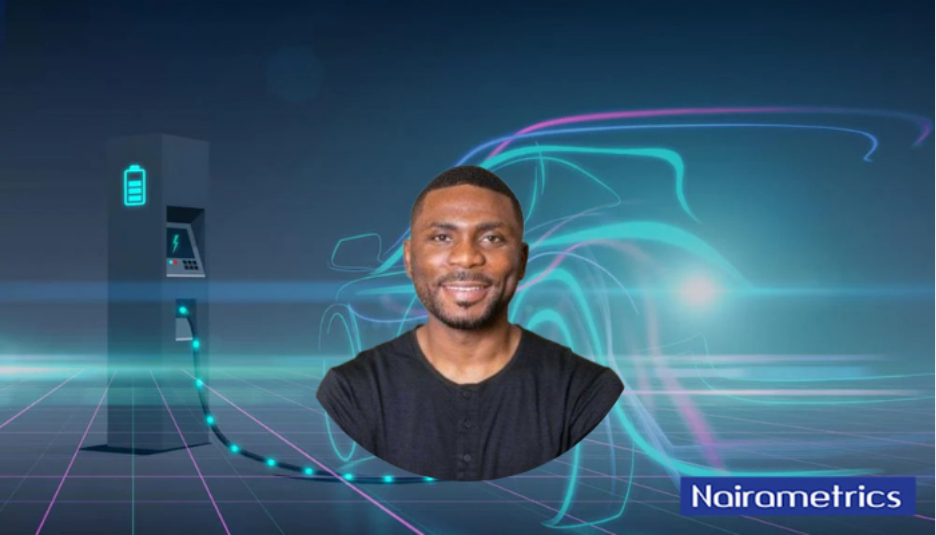
Chidi Ajaere, founder of Jet Systems Automobile, is part of a new wave of entrepreneurs pushing electric mobility in Nigeria. He is the son of the late Edwin Ajaere, who founded God is Good Motors (GIGM), one of the country’s leading intercity transport companies.
Ajaere studied at Covenant University in Ogun State before furthering his education at Niagara College in Canada and Griffith University in Australia. After his father’s death, he returned to Nigeria to lead the family business, becoming Executive Chairman of GIGM. He also founded GIG Logistics in 2012, expanding it into Ghana, the United States, and China.
In 2018, Ajaere established Jet Systems Automobile, a Nigerian EV manufacturer providing locally assembled electric vehicles in Nigeria for public and commercial transport. The company also produces compressed natural gas (CNG) vehicles at its Sangotedo assembly plant, located at KM 46, Lekki-Epe Expressway, Lagos. The plant has an estimated annual capacity of 5,000 vehicles, with plans for expansion.
Jet Systems’ product lineup includes 14-seater electric buses, electric ambulances, and electric vans, designed to serve the needs of both public transportation and logistics sectors. The company has also partnered with the Delta State Government to roll out EVs for mass transit and build solar-powered charging stations across the state.
Innocent Ifediaso Chukwuma – Innoson Vehicle Manufacturing (IVM)
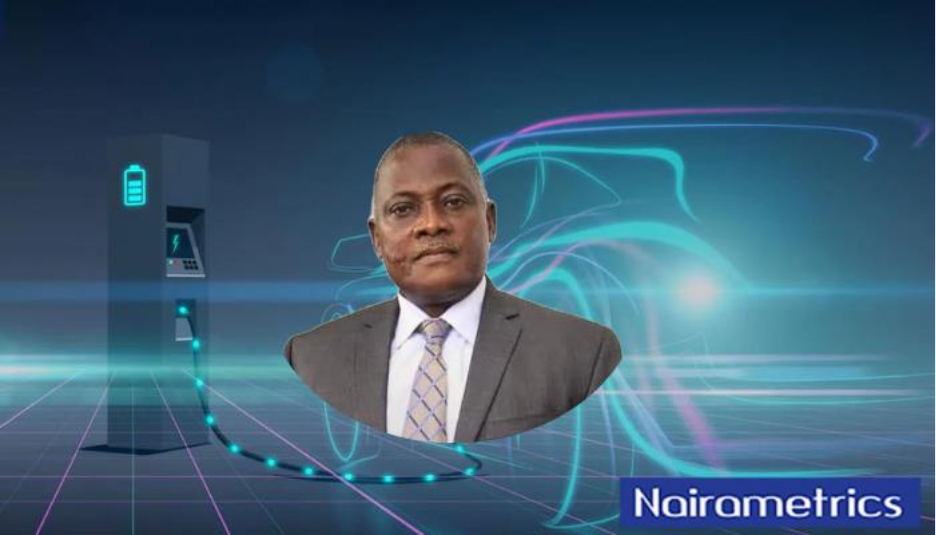
Chief Innocent Ifediaso Chukwuma, born on October 1, 1961, is the founder of Innoson Vehicle Manufacturing (IVM), regarded as Nigeria’s first indigenous automobile company. He established the firm in 2007 after decades of experience in motorcycle parts trading and plastics manufacturing. By late 2014, the company had rolled out its first locally assembled cars, marking a milestone in Nigeria’s automotive sector.
Innoson entered the electric vehicle market in September 2024, and since then its EV products have expanded to include four top models. These are the IVM Link, a five-seater with a driving range of 201–230 kilometres on a full charge; the IVM EX01, which also offers a 201–230 kilometre range and is designed for daily commuting; and the IVM EX02, the flagship model capable of travelling 330–400 kilometres per charge. A lower-priced version of the EX02 is also available, maintaining the same range while offering a more affordable entry point. All of these vehicles are assembled in Nigeria.
Alongside its EV push, Innoson continues to assemble internal combustion engine vehicles, covering sedans, SUVs, minibuses, pickup trucks, and specialised vehicles such as ambulances and waste compactors.
Dr. Sam Faleye – SAGLEV
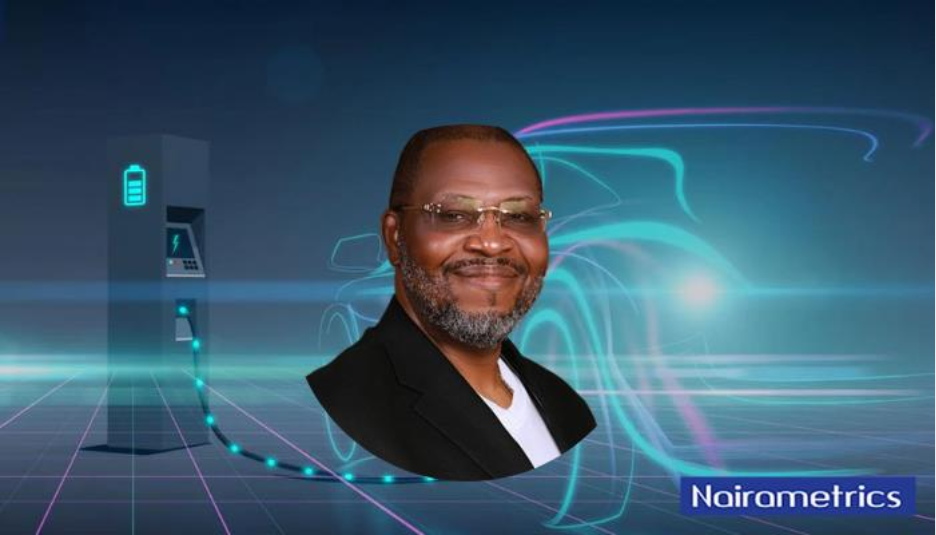
Dr. Sam Faleye is the Chairman and CEO of SAGLEV Inc., a Delaware-based EV company that operates in Nigeria through its subsidiary, Saglev Electromobility. The subsidiary has been in Nigeria for five years, with actual assembly of electric vehicles in December 2023 at its Imota, Ikorodu plant.
The facility, approved by the National Automotive Design and Development Council (NADDC), is dedicated to EV assembly in sub-Saharan Africa. It handles SKD and CKD production and currently supports 16 EV models — about 20% for private use (sedans, SUVs) and the rest for logistics, corporate fleets, and public transport.
Through its partnership with Dongfeng Motor Corporation, Saglev has rolled out products such as the VOYAH luxury series, the R6 pickup, the M-HERO 917 SUV, and electric BRT buses. The Imota plant has a starting capacity of 2,500 units a year, expandable to 10,000 units, while the company is also investing in charging infrastructure to ease adoption barriers.
Dr. Faleye studied medicine at the University of Ilorin, trained in Internal Medicine at Howard University Hospital, and earned a Master’s in Informatics from the University of Tennessee Health Science Center. He has been Board-certified in Internal Medicine since 1998 and became a Fellow of the American College of Physicians in 2005.
With subsidiaries in Nigeria and Ghana, SAGLEV is one of the early indigenous-led ventures driving EV adoption in West Africa.



We Nigerians are happy, Seriously this is a welcome development, our youth will be rapidly employed into this industries, may God see us through amen!