
The Federal Government has introduced a digitalised inventory consignment model aimed at eliminating persistent stockouts of essential medicines in federal and national hospitals.
The initiative was unveiled during a stakeholders’ engagement in Abuja, according to a statement by Alaba Balogun, Deputy Director and Head of Information & Public Relations, Federal Ministry of Health & Social Welfare, on September 13, 2025.
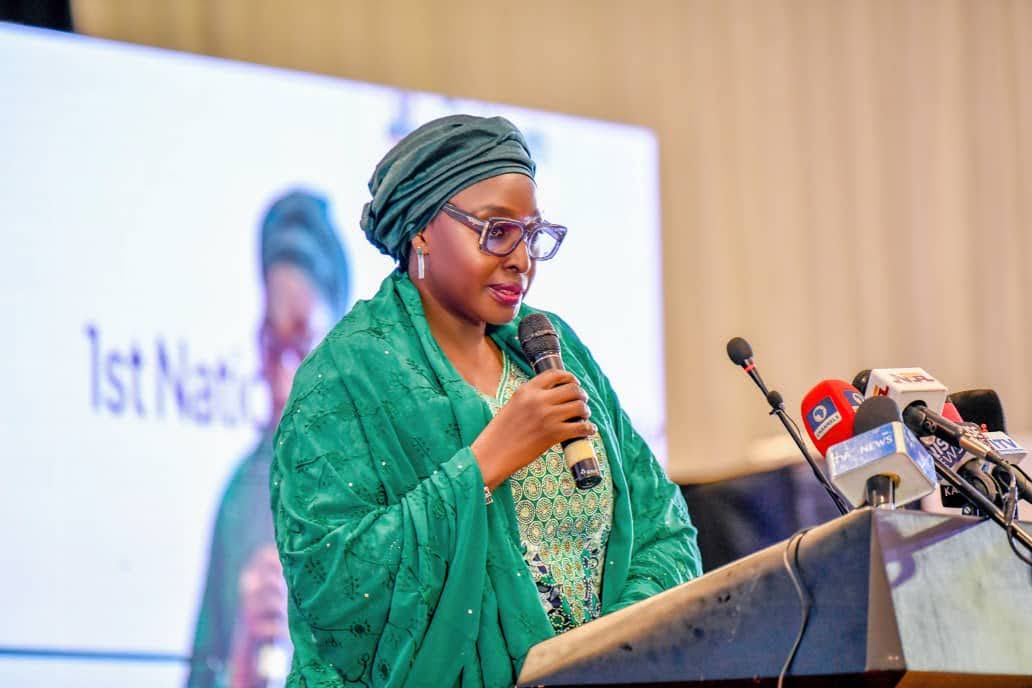
Speaking at the event, the Permanent Secretary of the Ministry, Daju Kachollom, explained that the model is in line with the national strategy for supply chain management of essential drugs. She said the overarching goal is to ensure availability and affordability of essential medicines in public hospitals.


She urged relevant departments and regulatory bodies to collaborate in addressing gaps in the medicine supply chain.
“But then, whatever we do, we should never forget that our job as Federal Ministry of Health & Social Welfare is to save lives. First and foremost, save lives. Reduce both physical and financial pain and, produce health for all Nigerians,” Kachollom affirmed.
Digitalisation to strengthen service delivery
Dr. Salaudeen Jimoh mni, Director of the Hospital Services Department, said the initiative would reduce costs and improve nationwide drug availability.
“Once we go into this partnership, definitely it will be better for all Nigerians. The goal is to strengthen service delivery, introduce a digitalised consignment model for essential medicines, and promote stakeholder collaboration,” he stated.
Pharmacist Yakubu James, representing the Director of the Food and Drugs Services Department, said the engagement is part of efforts to align with the national strategy for essential drug supply chain management.
Hospitals raise concerns on drug procurement delays
Chairman of the Chief Medical Directors (CMDs) Committee, Prof. Eme Bassey, commended the government’s effort but highlighted challenges hospitals face in managing dynamic drug inventories and urgent patient needs.
“We must ask ourselves what happens to drugs urgently required when processes take days. Transparency is key, but we must also address realities on the ground,” he cautioned.
The Federal Government expressed confidence that, with stakeholders’ support, the digital inventory model would transform the management of essential medicines in the country. Officials said the approach would not only guarantee regular availability but also improve affordability, helping to advance Nigeria’s goal of universal health coverage.
What you should know
- Nairametrics earlier reported that pharmacists across Nigeria have continued to push for the establishment of a N600 billion Pharmaceutical Manufacturing Development Fund to boost local drug production and strengthen the nation’s medicine supply chain.
- The proposed fund, which would carry a 5% interest rate with a tenure of seven to ten years, is expected to support the local production of Active Pharmaceutical Ingredients (APIs), vaccines, critical supply chain interventions, and research and development.
- Industry leaders have repeatedly stressed that the absence of such long-term funding hampers efforts to scale up domestic production.
- Stakeholders further linked the issue of drug affordability to Nigeria’s health insurance system. They stressed that an effective national health insurance framework would help reduce the financial burden of healthcare for Nigerians and improve equitable access to essential medicines.