Follow Us on Google Discover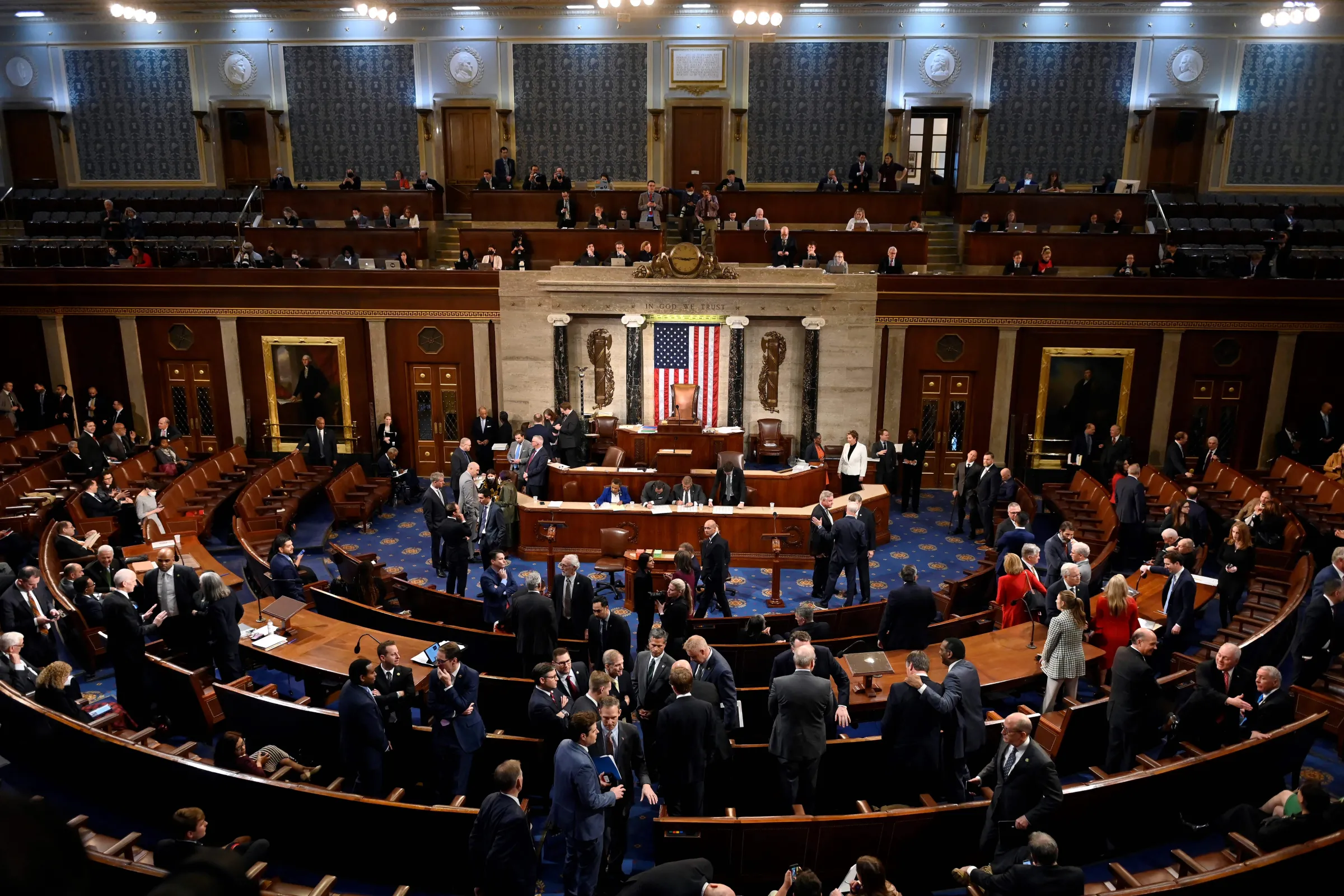
US lawmakers have called for tighter restrictions on Nigeria’s access to American aid, citing security concerns and alleged lobbying efforts directed at Congress.
The development was disclosed in a statement posted on Wednesday by U.S. Congressman Riley Moore via his official X account.
In the post, Moore outlined provisions in a proposed U.S. State Department funding bill that would tie parts of Nigeria’s aid access to security and governance conditions.
The proposal comes amid ongoing debates in Washington over insecurity in Nigeria and how U.S. assistance should be structured going forward.
Also Read
What they are saying
Moore said the bill would withhold up to 50% of certain U.S. funds to Nigeria’s central government until the U.S. Secretary of State certifies that Abuja is taking “effective steps” to curb violence, support victims, and ensure the safe return of displaced communities.
He added that it would also tighten congressional oversight of U.S. aid through more detailed spending plans and stricter monitoring of security and humanitarian disbursements.
Moore also alleged that the Nigerian government has spent “millions” on lobbying in Washington, linking the claim to broader debates around aid conditions.
- “The Tinubu Administration is spending millions lobbying Congress while failing to adequately address the genocide Nigerian Christians face daily.”
- “@HouseAppropsGOP just passed our annual State Department funding bill which takes serious steps to address this crisis.”
- “In this bill, I worked with Mario Díaz-Balart to restrict Security Assistance to Nigeria unless certain criteria are met,”
He said the bill prioritises atrocity prevention, religious freedom, accountability for security forces, and humanitarian relief, while also supporting stronger responses to armed groups in affected regions.
Moore added that the framework reflects growing bipartisan concern in Congress over insecurity and displacement in Nigeria, particularly in the Middle Belt, and called for stricter oversight in future funding cycles.
Get up to speed
The latest proposal builds on a series of U.S. policy actions linked to Nigeria’s security situation and human rights concerns. In October 2025, U.S. President Donald Trump designated Nigeria as a “Country of Particular Concern”, citing what he described as widespread attacks on Christians and an “existential threat” to Christianity in the country.
Following the designation, Trump directed several lawmakers, including Moore and House Appropriations Committee Chairman Tom Cole, to investigate the situation and report findings.
This led to congressional recommendations for tougher measures, including proposals to restrict Nigerian beef exports as leverage to pressure armed groups to disarm. These were contained in a report titled “Ending the Persecution of Christians in Nigeria”.
The report also recommended broader actions such as:
- Use of economic leverage to influence security outcomes
- Strengthening Nigeria’s security forces and early-warning systems
- Disarmament, demobilisation, and reintegration programmes for militias
- Legal and institutional reforms targeting policing, justice, and extremist financing
- Possible sanctions and visa restrictions on individuals linked to violence
What you should know
The Nigerian government has rejected claims of targeted persecution of Christians, maintaining that insecurity in the country is driven by multiple complex factors, including terrorism and communal violence.
- In January 2026, reports indicated that the Federal Government is spending about $750,000 monthly on a Republican-linked U.S. lobbying firm to counter “Christian genocide” narratives and influence conservative and evangelical opinion circles in Washington.
- Following earlier tensions, the U.S. and Nigeria agreed to establish a Joint Working Group to strengthen defence and security cooperation. Washington has also signalled readiness to expand support through intelligence sharing and faster processing of defence requests.
In December 2025, U.S. President Donald Trump announced a “powerful and deadly strike” on an ISIS base in northwest Nigeria, an operation the Nigerian government later confirmed it supported following a terrorist attack in Maiduguri.
The latest legislative push highlights growing scrutiny in Washington over Nigeria’s security challenges and the future structure of U.S. assistance.