Follow Us on Google Discover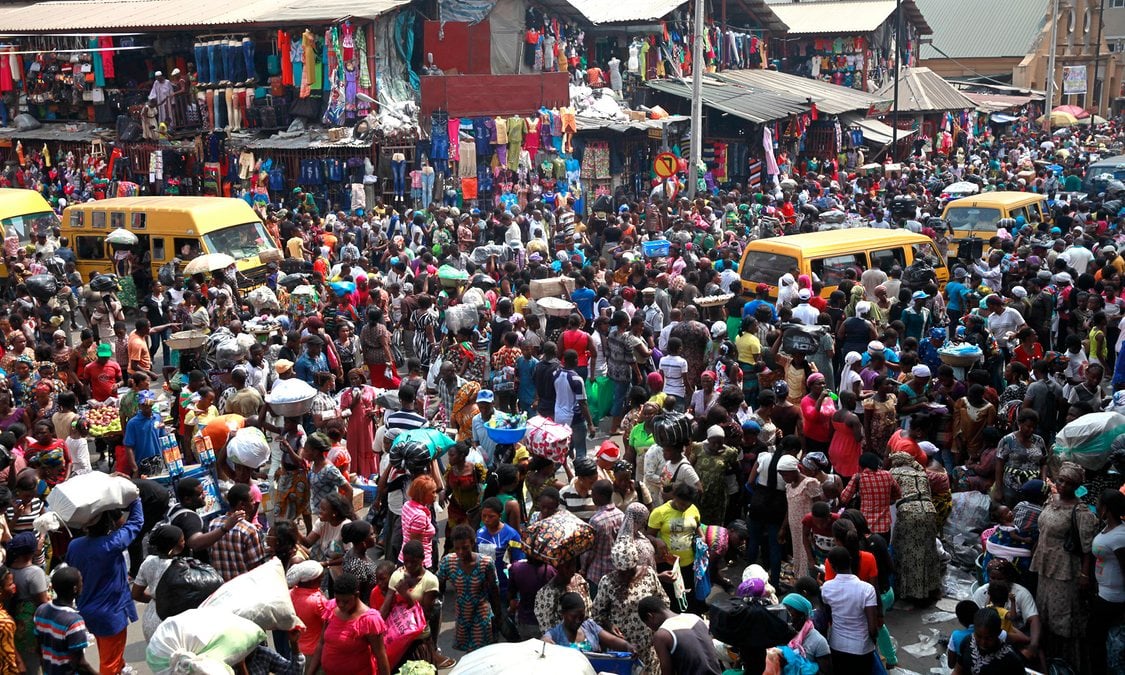
Africa remains the world’s fastest-growing continent, with its population projected to exceed 2.5 billion by 2050.
The continent’s youthful demographics, high fertility rates and improving healthcare continue to drive population growth, reshaping consumer markets, labour forces and investment opportunities.
According to the latest 2026 population estimates by Worldometer, Nigeria remains Africa’s most populous country with over 242 million people, accounting for nearly 3% of the world’s population.
Note that Nigeria last had an official population census in 2006, which puts the country’s figure at 140.4 million. Since then, the country’s population figure has been driven by estimates based on the population growth rate.
Also Read
According to the World Bank, Nigeria’s population growth rate stood at 2.1% as of 2025.
Nigeria is followed by Ethiopia and Egypt, while the Democratic Republic of Congo continues to record one of the fastest growth rates among the continent’s largest nations.
Below are the 10 most populous countries in Africa in 2026.
10. Algeria — 48 million people
Closing the top 10 is Algeria, with an estimated population of 48.03 million people.
North Africa’s largest country by land area continues to experience moderate population growth of 1.25% annually, adding approximately 593,000 people over the past year. Despite its vast territory of more than 2.38 million square kilometres, Algeria has a relatively low population density of just 20 people per square kilometre.
The country is also among Africa’s most urbanised, with 75% of its population living in cities, while the median age stands at 29 years.
9. Uganda — 52.8 million people
Uganda has climbed to a population of 52.76 million, making it the ninth most populous country in Africa.
The East African nation remains one of the continent’s youngest, with a median age of 17 years, and continues to record rapid demographic expansion driven by a fertility rate of 4.0 children per woman.
With 264 people per square kilometre, Uganda is among Africa’s most densely populated countries despite having a relatively small land area of about 200,000 square kilometres.
8. Sudan — 53.3 million people
Sudan’s population has reached 53.28 million, growing by 3.14% over the past year.
The country added more than 1.62 million people, one of the fastest annual increases among Africa’s largest populations. Sudan also recorded a positive net migration of over 252,000 people, the highest on this list.
Only 35% of Sudan’s population lives in urban areas, reflecting its largely rural demographic profile.
7. Kenya — 58.6 million people
Kenya remains one of East Africa’s economic powerhouses, supported by a population of 58.64 million.
The country’s population expanded by 1.92% over the past year, adding just over 1.1 million people.
With a median age of 20 years and fertility rate of 3.1, Kenya continues to enjoy a youthful labour force that supports its growing technology, financial services and manufacturing sectors.
6. South Africa — 65.5 million people
South Africa is Africa’s sixth most populous nation with an estimated 65.45 million residents.
Unlike many countries on the continent, South Africa’s annual population growth is relatively modest at 1.09%, while its fertility rate of 2.2 children per woman is among the lowest in Africa.
The country remains highly urbanised, with 67% of its population living in cities, making it one of the continent’s largest consumer markets.
5. Tanzania — 72.6 million people
Tanzania’s population has climbed to 72.56 million, growing by 2.86% in the past year.
The country added more than 2 million people between 2025 and 2026, supported by a fertility rate of 4.4 children per woman.
With a median age of just 18 years, Tanzania continues to benefit from one of Africa’s youngest populations, creating opportunities for long-term consumer spending and labour market expansion.
4. Democratic Republic of Congo — 116.5 million people
The Democratic Republic of Congo (DRC) has become Africa’s fourth most populous country, with 116.45 million people.
The country recorded one of the continent’s fastest population growth rates at 3.21%, adding more than 3.6 million people within a year.
The DRC also has Africa’s highest fertility rate among the top 10 countries at 5.8 children per woman, while the median age remains just 16 years, highlighting its extremely youthful population.
3. Egypt — 120.1 million people
Egypt continues to rank as North Africa’s most populous country with 120.1 million residents.
Its population grew by 1.47%, adding about 1.74 million people over the last year.
Although fertility has moderated to 2.7 children per woman, Egypt remains one of Africa’s largest consumer markets and economic hubs, with 41% of its population living in urban areas.
2. Ethiopia — 138.9 million people
Ethiopia remains Africa’s second most populous nation with 138.9 million people.The country recorded annual population growth of 2.53%, adding more than 3.43 million people.
Despite its large population, only 23% of Ethiopians live in urban areas, making it one of the least urbanised countries among Africa’s largest economies. Ethiopia’s median age is 19 years, reflecting a rapidly growing young population.
1. Nigeria — 242.4 million people
Nigeria retains its position as Africa’s most populous country, with an estimated population of 242.43 million people in 2026.
The country added approximately 4.9 million people over the past year, representing annual growth of 2.06%, the largest absolute increase on the continent.
Nigeria also accounts for 2.92% of the global population, making it the sixth most populous country in the world.
The country’s youthful demographic profile remains one of its defining characteristics. With a median age of just 18 years and a fertility rate of 4.2 children per woman, Nigeria continues to experience sustained population growth that is expected to drive labour force expansion and consumer demand for decades.
More than 56% of Nigerians now live in urban areas, reflecting rapid urbanisation across cities such as Lagos, Abuja, Kano and Port Harcourt. At the same time, the country’s population density has risen to 266 people per square kilometre, one of the highest among Africa’s largest nations.
As Africa’s third-largest economy by GDP and home to the continent’s largest consumer market, Nigeria continues to attract investment across sectors, including technology, financial services, real estate, telecommunications, healthcare, manufacturing, and retail.
With demographic growth showing little sign of slowing, Nigeria is expected to remain a key driver of Africa’s economic and consumer expansion over the coming decades.