Follow Us on Google Discover
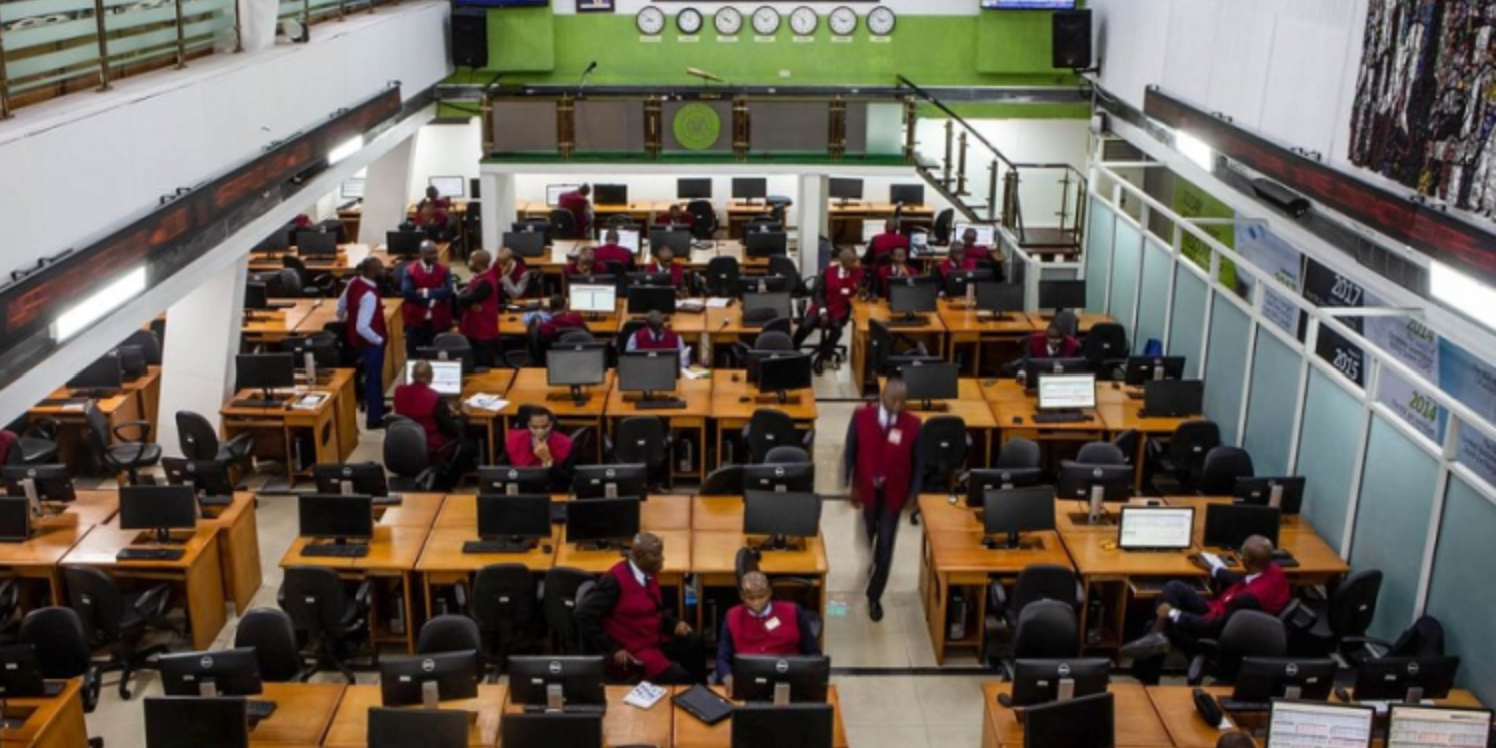
Commercial lenders remain under significant selling pressure on the Nigerian Exchange (NGX), amid concerns that higher credit risks, narrowing fixed-income yields, and a sluggish domestic economic cycle may have outweighed the effects of modest earnings improvements among Tier-one banking stocks, commonly grouped under the FUGAZ acronym.
These stocks have failed to sustain positive trading momentum in recent days. Market observers point to a widening gap between headline earnings and earnings quality following the release of nine-month 2026 results.
Nigerian banks on the Nigerian Exchange (NGX) have entered into a broad-market pullback, tumbling about an average of 2% over the week that ended November 21, 2026, and having been responsible for most of the multi-trillion-naira shriveling of market capitalization experienced throughout November.
GTCO, UBA, Zenith Bank, Access Holdings and First HoldCo have led the way down as institutional and retail investors have traded profits previously made during the year.
Also Read
That reversal in profits also underscores that Nigerian banks’ once preternatural earnings growth is structurally shifting away from the low-hanging fruit of fixed-income arbitrage to more traditional (and riskier) credit intermediation.
The Monetary Policy Committee (MPC) has hung around at the neutral/easing side of the rate spectrum (keeping rates in the 23% range post-peak) as falling SDF rates have reduced the risk-free spread that contributed to banks’ bottom line.
Across the major listed banking stocks, aggregate net interest income declined slightly by 1.8% to N7.88 trillion, as interest expenses grew faster than interest income, thereby reducing net interest margins.
Although some of the country’s largest lenders reported growth in pre-tax earnings during the first nine months of 2026, the data highlighted that most of the gains in net income were attributable to lower year-on-year impairment charges and one-off trading gains, rather than stronger core lending profitability.
Asset quality concerns also remain a risk to sector profitability. Lenders faced structurally higher impaired-loan ratios following the central bank’s decision to phase out a long-standing forbearance scheme for non-performing assets.
Concerns about borrowers’ ability to repay persist despite the capital-raising activity midway through the year, prompting investors to monitor potential provisioning costs.
Declining Treasury Bill Yields erode easy returns
Throughout 2024 and 2025, Nigerian banks recorded record profits by parking excess liquidity in high-yielding Central Bank of Nigeria (CBN) Open Market Operation (OMO) bills, Standing Deposit Facility (SDF) windows and Nigerian Treasury Bills (NTBs).
However, further pressure on interest income has come from a gradual decline in domestic fixed-income yields. Secondary-market yields on Nigerian Treasury Bills (NTBs) have narrowed to 17.8% since the CBN announced a 350-basis-point reduction in the benchmark Monetary Policy Rate (MPR) to 23% in September, amid slowing inflation.
Falling yields are eroding a stable, low-risk income that had offset sluggish private-sector loan growth, with sovereign fixed-income assets and CBN cash holdings accounting for significant assets at major Nigerian banks
A challenging business environment weighs on credit sentiment
On the real-economy front, businesses continue to face difficult borrowing conditions. The average lending rate to manufacturers remains well above 31%, while firms also contend with pressures from energy and other operating costs.
Commercial bank credit to the private sector declined by 537.6 billion to 83.93 trillion in September 2026, reflecting, in part, more cautious lending by banks and weakened corporate and small- and medium-sized enterprise (SME) balance sheets. Meanwhile, increased pre-election political activity ahead of the scheduled January 2027 elections has further dampened risk appetite on the Lagos bourse, prompting retail and institutional investors to shift toward defensive stocks.
Market outlook
Analysts say Nigerian lenders will face a significant challenge in the coming quarters, as operating costs across the banking industry have risen by more than 6% year on year and traditional fixed-income tailwinds have weakened.
A continued recovery in valuations will likely depend on how effectively banks transition from reliance on sovereign yields toward more lucrative and disciplined private-sector lending without triggering a renewed increase in non-performing loans.