Follow Us on Google Discover
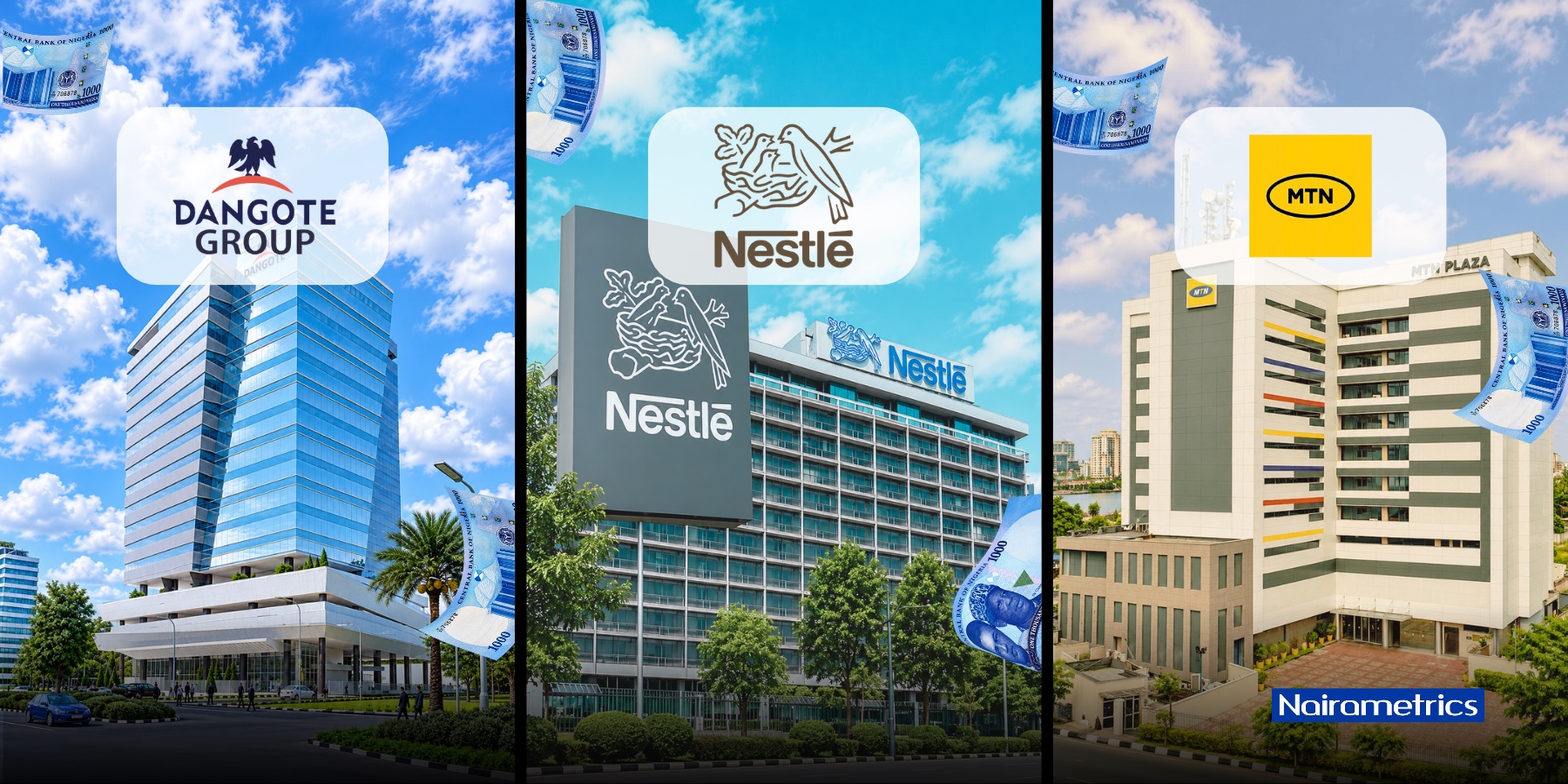
Every bag of cement on a building site, every bottle of beer at a bar, and every litre of fuel at the pump starts with a bill. Someone has to pay for the limestone, the barley, the crude oil, the diesel and the trucks that move it all.
In the first nine months of 2026, 22 of Nigeria’s biggest companies paid N13.43 trillion of those bills.
That is about N49 billion every single day, from January to September.
The figure, known in company accounts as “cost of sales“, is what it costs a business to make or buy the things it sells, before office costs, interest and tax. It rose 22.5% from N10.96 trillion a year earlier, according to a Nairametrics review of the companies’ latest results.
Also Read
The list includes names most Nigerians deal with every week: Dangote Cement, MTN Nigeria, Nestlé Nigeria, Nigerian Breweries, Guinness, Cadbury, BUA Foods and oil firms such as Seplat and Oando.
Where the money went
More than half of it went into oil and gas. Oando, Aradel, Seplat and Conoil together spent N7.29 trillion producing, buying and moving crude oil, gas and petroleum products. That is up 47% from a year earlier, and almost all of this year’s increase.
The rest broke down roughly like this:
- Food and drinks, N2.49 trillion: the makers of beer, seasoning, beverages, chocolate, flour, sugar and salt, including Nigerian Breweries, Nestlé, BUA Foods, Cadbury and NASCON. They spent 10% less than last year.
- Cement, N2.23 trillion: Dangote Cement, BUA Cement and Lafarge Africa, up 9%.
- Phone calls and data, N566.5 billion: MTN Nigeria’s direct costs, up 13%.
- Construction, N551.9 billion: Julius Berger, 20%.
- Everything else, N302.4 billion: palm oil, medicines, glass bottles, paint, IT services and property.
Across all 22 companies, that bill ate up about half of every naira they earned from sales. The other half had to cover head-office salaries, offices, advertising, interest and tax, with whatever was left becoming profit.
Why your favourite brands spent less
For the companies that make what fills Nigerian kitchens and bars, 2026 brought some relief. A stronger naira made imported wheat, sugar, malt, cocoa and packaging cheaper in naira terms.
- The naira averaged N1,366 to the dollar over the nine months, compared with N1,528 a year earlier. That means a dollar’s worth of imported raw material costs about N162 less.
- BUA Foods, which makes flour, pasta and sugar, cut its cost of sales by a third, from N900.1 billion to N592.9 billion. It credited cheaper raw materials and energy, and a steadier exchange rate. Nigerian Breweries, International Breweries, Cadbury and NASCON also spent less.
But the savings did not all stay in the bank. Many of these companies spent more on getting products to shops and keeping customers buying:
- Nestlé Nigeria raised spending on consumer promotions by 64%, to N60.8 billion.
- Nigerian Breweries spent 29% more on distribution and 18% more on advertising.
- Cadbury Nigeria more than doubled its selling and distribution costs.
In plain terms, part of the money saved on ingredients went into discounts, promos and delivery trucks, as companies fought to hold on to customers whose budgets are stretched.
Impact beyond the factory gate
A bill this size touches far more people than the companies paying it.
- Suppliers: farmers, transporters, packaging makers and contractors all wait to be paid out of it. When big companies pay late, the squeeze runs down the chain to smaller businesses.
- Lenders: companies often have to pay for raw materials months before they sell the finished product. To bridge that gap, many borrow short-term. In the third quarter alone, 23 companies sought N446.1 billion through commercial paper, a type of short-term IOU sold to investors. In February, Dangote Cement’s N119.87 billion of such paper became the first listed on the Nigerian Exchange.
- Government: under Nigeria’s new tax law, in force since January, companies can claim back more of the VAT they pay on services and equipment. MTN Nigeria said those VAT claims helped it absorb higher diesel costs for its towers.
What happens next
The relief may be fading because between July and September, cost of sales jumped 22% at BUA Cement and 37% at Guinness Nigeria compared with the same months last year. At Okomu Oil Palm, it more than doubled.
Diesel is getting more expensive again, according to MTN Nigeria and Airtel Africa, and the naira is no longer gaining ground the way it did earlier in the year.
If input costs start climbing again, companies will face a familiar choice: absorb the hit and earn less, or pass it on in the prices of cement, beer, pasta and data. Full-year results, due early in 2027, will show which way they went.
Dangote, Nestlé, MTN and others spend N13.4 trillion making what you buy
Every bag of cement on a building site, every bottle of beer at a bar, and every litre of fuel at the pump starts with a bill. Someone has to pay for the limestone, the barley, the crude oil, the diesel and the trucks that move it all.
In the first nine months of 2026, 22 of Nigeria’s biggest companies paid N13.43 trillion of those bills. That is about N49 billion every single day, from January to September.
The figure, known in company accounts as “cost of sales”, is what it costs a business to make or buy the things it sells, before office costs, interest and tax. It rose 22.5% from N10.96 trillion a year earlier, according to a Nairametrics review of the companies’ latest results.
The list includes names most Nigerians deal with every week: Dangote Cement, MTN Nigeria, Nestlé Nigeria, Nigerian Breweries, Guinness, Cadbury, BUA Foods and oil firms such as Seplat and Oando.
Where the money went
More than half of it went into oil and gas. Oando, Aradel, Seplat and Conoil together spent N7.29 trillion producing, buying and moving crude oil, gas and petroleum products. That is up 47% from a year earlier, and almost all of this year’s increase.
The rest broke down roughly like this:
- Food and drinks, N2.49 trillion: the makers of beer, seasoning, beverages, chocolate, flour, sugar and salt, including Nigerian Breweries, Nestlé, BUA Foods, Cadbury and NASCON. They spent 10% less than last year.
- Cement, N2.23 trillion: Dangote Cement, BUA Cement and Lafarge Africa, up 9%.
- Phone calls and data, N566.5 billion: MTN Nigeria’s direct costs, up 13%.
- Construction, N551.9 billion: Julius Berger, 20%.
- Everything else, N302.4 billion: palm oil, medicines, glass bottles, paint, IT services and property.
Across all 22 companies, that bill ate up about half of every naira they earned from sales. The other half had to cover head-office salaries, offices, advertising, interest and tax, with whatever was left becoming profit.
Why your favourite brands spent less
For the companies that make what fills Nigerian kitchens and bars, 2026 brought some relief. A stronger naira made imported wheat, sugar, malt, cocoa and packaging cheaper in naira terms.
The naira averaged N1,366 to the dollar over the nine months, compared with N1,528 a year earlier. That means a dollar’s worth of imported raw material costs about N162 less.
BUA Foods, which makes flour, pasta and sugar, cut its cost of sales by a third, from N900.1 billion to N592.9 billion. It credited cheaper raw materials and energy, and a steadier exchange rate. Nigerian Breweries, International Breweries, Cadbury and NASCON also spent less.
But the savings did not all stay in the bank. Many of these companies spent more on getting products to shops and keeping customers buying:
- Nestlé Nigeria raised spending on consumer promotions by 64%, to N60.8 billion.
- Nigerian Breweries spent 29% more on distribution and 18% more on advertising.
- Cadbury Nigeria more than doubled its selling and distribution costs.
In plain terms, part of the money saved on ingredients went into discounts, promos and delivery trucks, as companies fought to hold on to customers whose budgets are stretched.
Impact beyond the factory gate
A bill this size touches far more people than the companies paying it.
- Suppliers: farmers, transporters, packaging makers and contractors all wait to be paid out of it. When big companies pay late, the squeeze runs down the chain to smaller businesses.
- Lenders: companies often have to pay for raw materials months before they sell the finished product. To bridge that gap, many borrow short-term. In the third quarter alone, 23 companies sought N446.1 billion through commercial paper, a type of short-term IOU sold to investors. In February, Dangote Cement’s N119.87 billion of such paper became the first listed on the Nigerian Exchange.
- Government: under Nigeria’s new tax law, in force since January, companies can claim back more of the VAT they pay on services and equipment. MTN Nigeria said those VAT claims helped it absorb higher diesel costs for its towers.
What happens next
The relief may be fading because between July and September, cost of sales jumped 22% at BUA Cement and 37% at Guinness Nigeria compared with the same months last year. At Okomu Oil Palm, it more than doubled.
Diesel is getting more expensive again, according to MTN Nigeria and Airtel Africa, and the naira is no longer gaining ground the way it did earlier in the year.
If input costs start climbing again, companies will face a familiar choice: absorb the hit and earn less, or pass it on in the prices of cement, beer, pasta and data. Full-year results, due early in 2027, will show which way they went.