 Follow Us on Google Discover
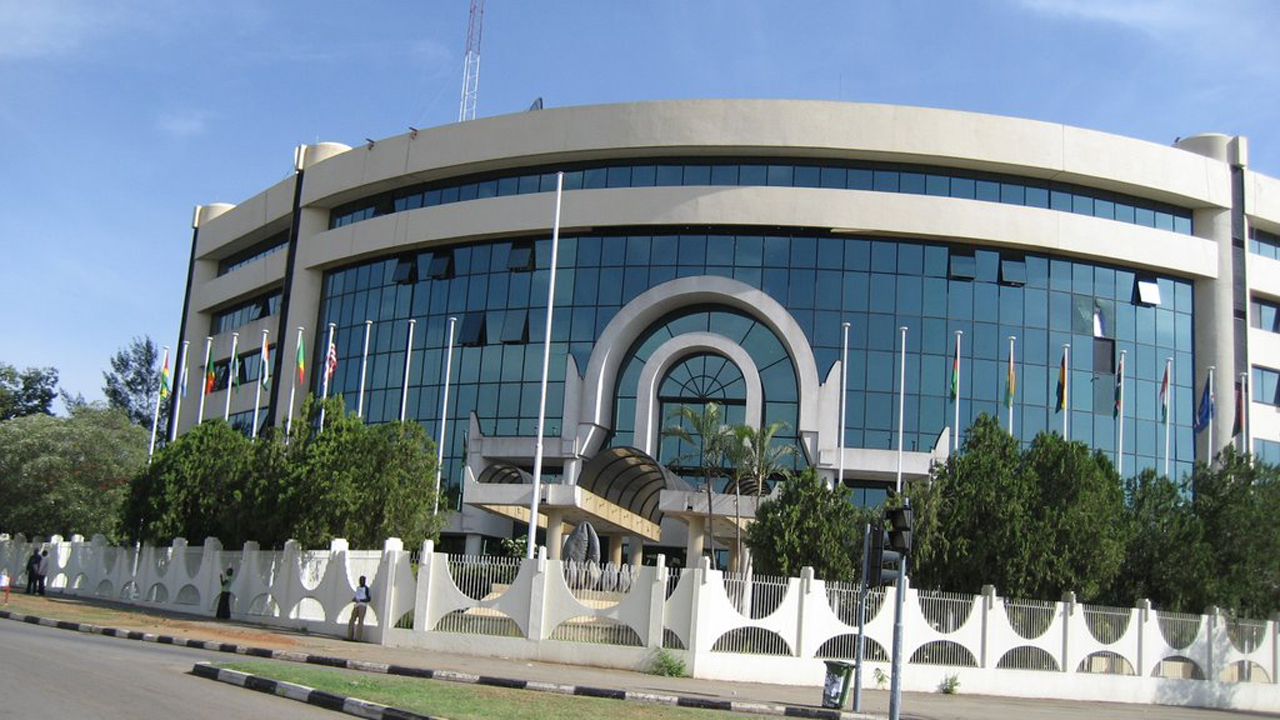
Nigeria, Ghana and the West African Monetary Union’s central bank have been proposed as hosts for an interconnected regional payment system aimed at making cross-border transactions easier and reducing reliance on foreign currencies among ECOWAS member states.
The Central Bank of Liberia Governor, Mr Henry Saamoi, disclosed this on Wednesday during an interview with journalists in Balaclava, Mauritius, ahead of the launch of the 2026 State of Inclusive Instant Payment Systems (SIIPS) in Africa report by the AfricaNenda Foundation.
The proposal involves Nigeria hosting the regional instant payment system, the Central Bank of West African States (BCEAO) hosting the real-time gross settlement system, and Ghana serving as a backup.
Saamoi said the proposed arrangement was part of efforts by ECOWAS countries to connect their domestic instant payment systems to a regional payment and settlement infrastructure that would facilitate seamless transactions across member states.
Also Read
Why the three-country arrangement matters
According to Saamoi, a consultant working on the ECOWAS initiative proposed the three-country hosting arrangement. He expressed support for the proposal, noting that distributing responsibilities among three countries could strengthen regional ownership, cooperation and resilience.
- “I like the three-country approach because we are a region, we are a bloc, and so having just one country dominate the payment system, for me, I have some issues, and I support the three-country approach,” he said.
The proposed infrastructure is also expected to address some of the challenges associated with cross-border payments, particularly the reliance on the US dollar for settling transactions between African countries.
Saamoi said the arrangement could adopt a local-currency settlement model similar to the Pan-African Payment and Settlement System (PAPSS), which Liberia currently uses for transactions with other participating countries.
- “If you have a trader in Liberia that is making payment to Nigeria or to Ghana, they get settled in the local currency. That is what we are doing currently. So, we are using the PAPSS system for settlement,” he said.
However, he noted that the settlement currency and other operational details of the proposed ECOWAS arrangement were yet to be determined.
Push for wider adoption of instant payments
Saamoi urged African countries that have yet to introduce instant payment systems to begin developing the infrastructure, describing digital payments as critical to financial inclusion and the growth of the digital economy.
- “I will encourage every country that hasn’t embarked upon an instant payment system to begin to think about it, because that’s the way the future of the world economy is digital,” he said.
The proposed ECOWAS arrangement reflects broader efforts across Africa to improve payment interoperability and make regional trade less dependent on foreign currencies.
The 2026 SIIPS in Africa report, which is scheduled for launch on Thursday, examines developments in instant payment systems and their role in expanding financial inclusion across the continent.
Nigeria deepens regional payment integration
Nigeria has already taken steps to integrate its financial system into Africa’s cross-border payment infrastructure through the Pan-African Payment and Settlement System (PAPSS).
- In April 2025, the Central Bank of Nigeria (CBN) directed all banks operating in the country to adopt PAPSS and begin originating transactions under the framework to improve cross-border payment efficiency and support intra-African trade.
- In March 2026, 9 Payment Service Bank launched its Send to Ghana feature, powered by Onafriq and PAPSS, allowing individuals and businesses to send and receive money between Nigeria and Ghana using local currencies.
PAPSS was officially launched in January 2022 by Afreximbank in partnership with the African Union and the African Continental Free Trade Area (AfCFTA) Secretariat. The platform enables payments between participating African countries in their respective local currencies, reducing dependence on third-party currencies such as the US dollar.