Follow Us on Google Discover
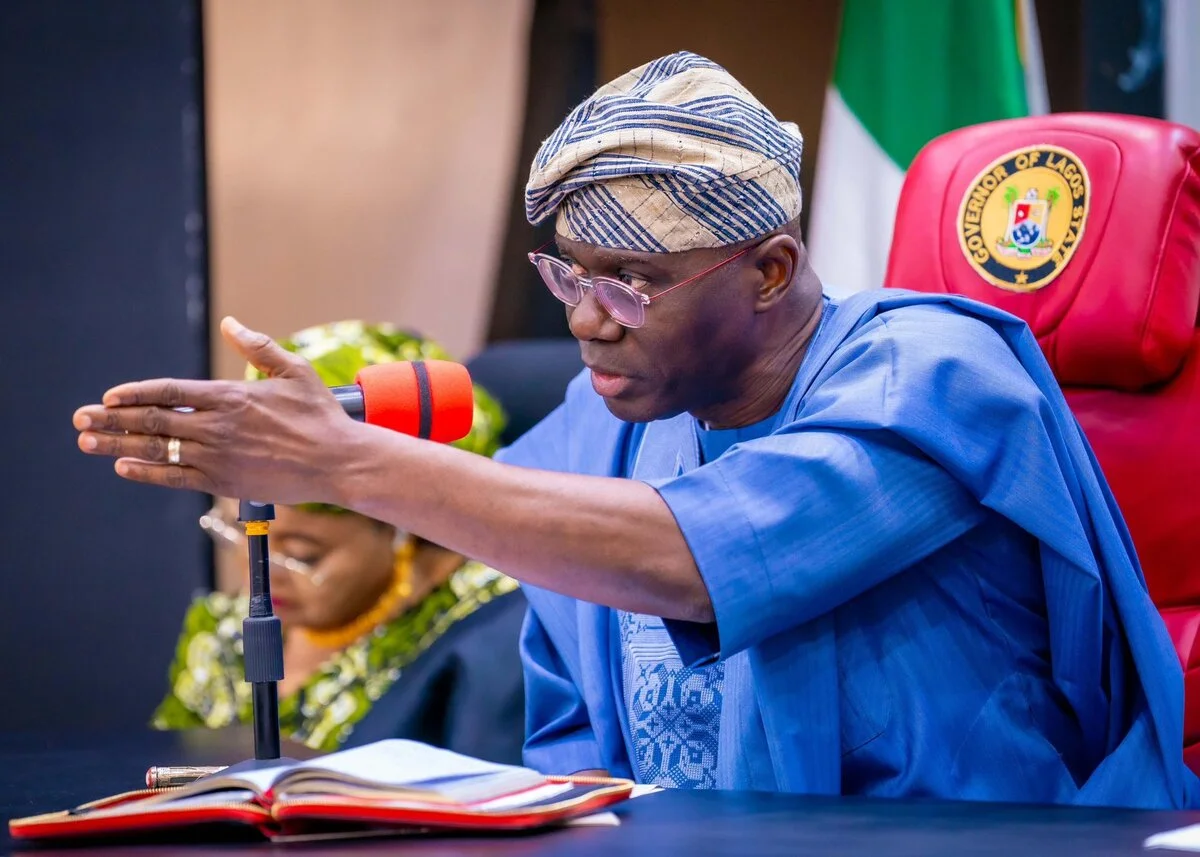
The Lagos State Government has denied claims that it increased billboard permit fees to N700 million, describing the allegation as false and misleading.
The government clarified that billboard advertising in Lagos is operated by private companies, with some premium advertising spaces costing approximately N10 million monthly.
The clarification was contained in a statement issued on Sunday, November 15, 2026, by the Commissioner for Information and Strategy, Gbenga Omotoso, following social media allegations that the purported fee increase was preventing certain political parties from advertising across the state.
According to the government, the Lagos State Signage and Advertisement Agency (LASAA) regulates outdoor advertising but does not own billboard structures or determine the commercial rates charged by private operators.
Also Read
- “The government of Lagos State wishes to debunk the claim that it has raised billboard permit fee to N700m,” the statement read.
- “Billboards are owned by private operators. The most expensive billboard is about N10million monthly. The government does not run billboards.”
Lagos denies N700 million billboard fee
“The government of Lagos State wishes to debunk the claim that it has raised billboard permit fee to N700m,” the statement read.
- “Billboards are owned by private operators. The most expensive billboard is about N10million monthly. The government does not run billboards.”
The controversy followed comments made by Abdulkarim during an interview on Nigeria Info FM 99.3 on November 13, 2026, where he alleged that the cost of obtaining political billboard licences in Lagos was restricting the NDC’s ability to advertise.
- “Lagos is charging almost N700 million just for a licence to erect a political billboard,” Abdulkarim alleged. He explained that the party had resorted to alternative methods of promoting its political message because of the alleged cost of outdoor advertising.
- “We now decided, let us be our own billboard,” he said.
The remarks subsequently attracted attention on social media, including claims that the alleged fees explained the limited presence of NDC campaign billboards on Lagos roads.
Lagos sets N7 million registration fee
Addressing concerns about political advertising, the government maintained that all political parties and candidates are entitled to advertise, provided they comply with established regulations.
It explained that campaign materials must be displayed on approved advertising structures operated by registered practitioners holding valid LASAA permits.
The structures must also meet requirements relating to location, safety and environmental standards.
- “LASAA does not determine the rates charged by billboard owners,” the statement added.
The government said LASAA had recently conducted public sensitisation on election campaign advertising guidelines to educate political parties, candidates and advertising practitioners about applicable requirements.
Political advertising faces regulatory scrutiny
The controversy over billboard charges comes amid longstanding concerns about the cost of outdoor advertising and the regulation of political campaign materials in Nigeria.
- In 2016, Nairametrics reported that Lagos outdoor advertising operators were facing financial difficulties, partly over an estimated N1 billion in unpaid advertising bills linked to election campaigns. Operators also complained about outstanding regulatory levies and declining advertising demand.
- Similarly, a 2018 Nairametrics report on outdoor advertising company Afromedia Plc highlighted the commercial value of billboard placements, noting that advertisers paid between N15 million and N120 million annually for certain advertising spaces at the time. These were commercial advertising charges rather than government permit fees.
Political advertising has also faced regulatory scrutiny. In August 2023, Nairametrics reported that the Federal Government dissolved the Advertising Standard Panel following controversy surrounding the approval of the All Eyes on the Judiciary billboards. The Advertising Regulatory Council of Nigeria (ARCON) said the approval breached applicable advertising vetting guidelines.