 Follow Us on Google Discover
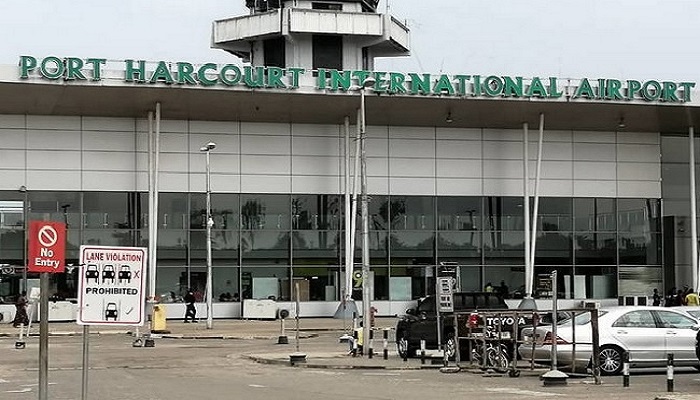
The Federal Government has concessioned the Jeremiah Obafemi Awolowo International Airport in Port Harcourt, Rivers State, to Port Harcourt Airport Company Ltd. for 30 years as part of efforts to reduce the financial burden of operating loss-making airports and attract private investment into the aviation sector.
The Minister of Aviation and Aerospace Development, Festus Keyamo, disclosed this on Thursday during the signing of the concession agreement in Abuja.
Keyamo said the decision, which received the approval of President Bola Tinubu and the Federal Executive Council (FEC), was driven by the need to improve airport operations and reduce the reliance of unprofitable airports on revenues generated by major aviation gateways.
According to him, the government currently uses profits from some of its major airports to subsidise the operations of loss-making facilities, creating additional financial pressure on the aviation sector.
Also Read
“The reasoning behind it is that some of our airports are being run at a loss, and we should say it the way it is. We generate substantial revenue from some of our primary airports and major gateways, and most of those profits are ploughed into sustaining the loss-making ones,” he said.
FG seeks private investment to upgrade airport infrastructure
The minister explained that airport operations involve significant recurring expenses, including personnel costs, electricity and diesel-powered generators.
He said the government also lacked sufficient financial capacity to fully develop the commercial and non-aeronautical components of some airports, which could generate additional revenue beyond passenger and aircraft operations.
Keyamo said private sector participation would help unlock the commercial potential of airport facilities and improve their operational efficiency.
- “So much can be achieved in developing the non-aeronautical parts of these airports. Private investors have the capacity and potential to expand their use and operations,” he said.
He added that the Port Harcourt airport concession was not a sudden policy decision, noting that previous administrations had attempted to implement the arrangement but encountered resistance from aviation unions, leading to prolonged legal disputes.
According to the minister, the Tinubu administration engaged the unions to address workers’ concerns and ensure their welfare was protected throughout the concession process.
Keyamo also disclosed that the ministry had received concession proposals for other airports, including Benin Airport and Yola International Airport, signalling the government’s intention to extend private sector participation across the aviation industry.
Concessionaire promises jobs, infrastructure upgrades
Speaking on behalf of the concessionaire, Group Executive of R28 Holdings, Eyo Asuquo, assured existing airport workers that the concession would create additional employment opportunities rather than result in job losses.
He also pledged significant investment in airport infrastructure to bring the Port Harcourt facility up to international standards comparable to airports in Europe and the United States.
The 30-year concession is expected to transfer greater responsibility for the airport’s development and commercial operations to the private sector, while supporting the government’s broader efforts to improve efficiency and reduce the financial burden of managing public infrastructure.
What you should know
The Port Harcourt airport concession followed a similar arrangement in January this year when the Federal Government signed the formal concession agreement for the Akanu Ibiam International Airport, Enugu.
According to the Minister of Aviation and Aerospace Development, Festus Keyamo, the signing on January 21, 2026, marked the conclusion of a painstaking and transparent process that began several years ago.
The concessions are part of the government’s broader aviation sector reform agenda aimed at attracting private investment, improving infrastructure, boosting regional connectivity, and strengthening Nigeria’s aviation competitiveness.