Follow Us on Google Discover
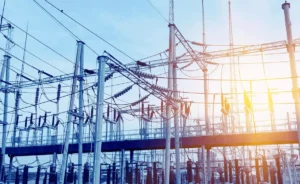
The Federal Government has approved a $2 billion investment in a new East-West Super Grid designed to strengthen Nigeria’s electricity transmission network and provide additional capacity of at least 19,000 megawatts.
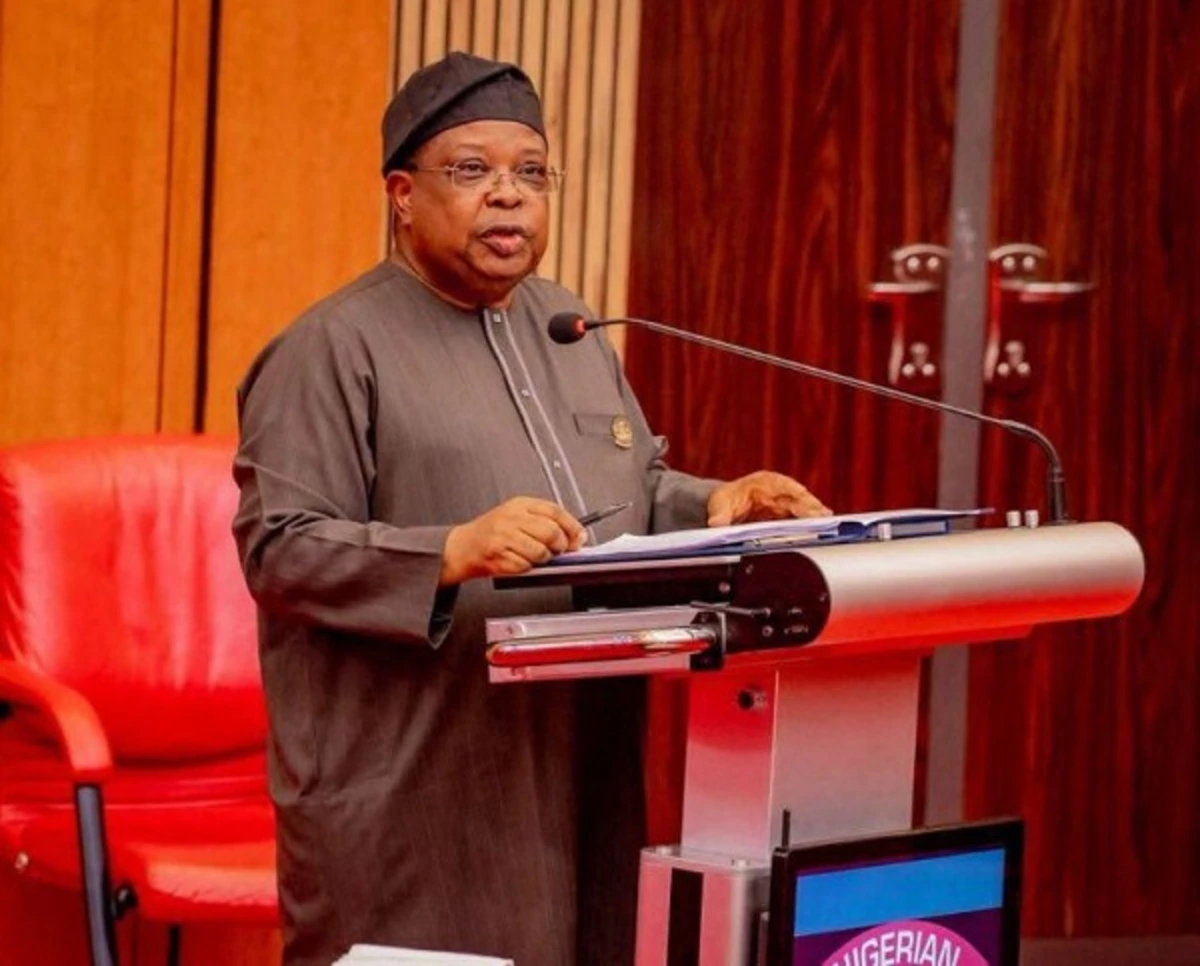
The Minister of Power, Olasunkanmi Tegbe, disclosed this in a statement on Monday, according to the News Agency of Nigeria.
The proposed infrastructure will traverse Funtua, Gwagwalada, Ikot-Ekpene, Benin, Epe and Ilorin, with delivery expected within 18 to 24 months. Tegbe said procurement processes had commenced following presidential approval.
East-West Super Grid adds 19,000MW
Tegbe said the new Super Grid would complement the existing national grid rather than replace it, providing additional transmission capacity to improve electricity delivery across the country.
Also Read
He said the project formed part of broader efforts to identify and address infrastructure weaknesses across the transmission network.
According to the minister, a technical audit launched shortly after he assumed office identified deficiencies involving transmission towers, insulators, conductors and relays across several transmission corridors.
The audit is expected to guide the replacement of critical equipment and ensure that government spending addresses actual infrastructure failures. Tegbe said the replacement programme would begin in the coming months following presidential funding approval.
He also identified the Oshogbo–Ikeja West transmission line as a priority for restoration.
- “When restored, the line is expected to provide an additional 400 megawatts into the Lagos electricity complex,” he said.
FG tackles transmission and GenCo debts
Beyond transmission infrastructure, Tegbe said the government was addressing financial constraints affecting electricity generation companies (GenCos).
- He disclosed that the Federal Government had paid N1.23 trillion out of approximately N3.3 trillion owed to GenCos, leaving an outstanding balance of about N2 trillion.
The minister said the unpaid obligations had constrained the companies’ ability to meet financial commitments to gas suppliers. The government is targeting settlement of the outstanding balance in 2027 to improve liquidity and support electricity generation.
Tegbe also pointed to underutilised power plants in the Niger Delta as an opportunity to increase electricity supply.
- Facilities operated by the Niger Delta Power Holding Company (NDPHC) have a combined installed capacity exceeding 3,000MW but currently contribute approximately 400MW to the national electricity supply.
He said improving the performance of these plants, alongside resolving gas supply and transmission constraints, would help increase electricity delivered to consumers.
Electricity Act opens market to states
Tegbe identified the Electricity Act 2023 as a major development in the restructuring of Nigeria’s power sector, noting that it allows state governments and private investors to participate in electricity generation, transmission and distribution.
- He said states could develop electricity markets suited to their needs through independent power generation, mini-grids and gas-fired power solutions. Lagos, Ogun, Abia and Enugu are among the states exploring different approaches.
- The legislation also permits bilateral electricity arrangements, allowing generators to supply willing off-takers directly or feed power into the national grid.
- According to Tegbe, these provisions are creating opportunities for investment, competition and recapitalisation across the sector. He added that the Federal Government expects private-sector participation in transmission to expand over the next two to three years.
Last month, the minister outlined a roadmap to stabilise Nigeria’s electricity grid and expand transmission capacity, with a focus on improving supply and attracting fresh investment.
President Bola Tinubu signed the Electricity Act 2023 into law in June 2023, replacing the Electric Power Sector Reform Act 2005 and establishing a framework for the post-privatisation phase of the Nigerian Electricity Supply Industry.
In March 2026, the Federal Government said power-sector reforms had attracted $2 billion in investment and reduced liabilities to N146 billion. It also reported that 16 state electricity markets had been activated.
However, regulatory coordination remains a key issue. In April 2026, PricewaterhouseCoopers (PwC) said the success of Nigeria’s electricity reforms depended on clearer regulatory frameworks and stronger coordination between federal and state authorities.