Follow Us on Google Discover
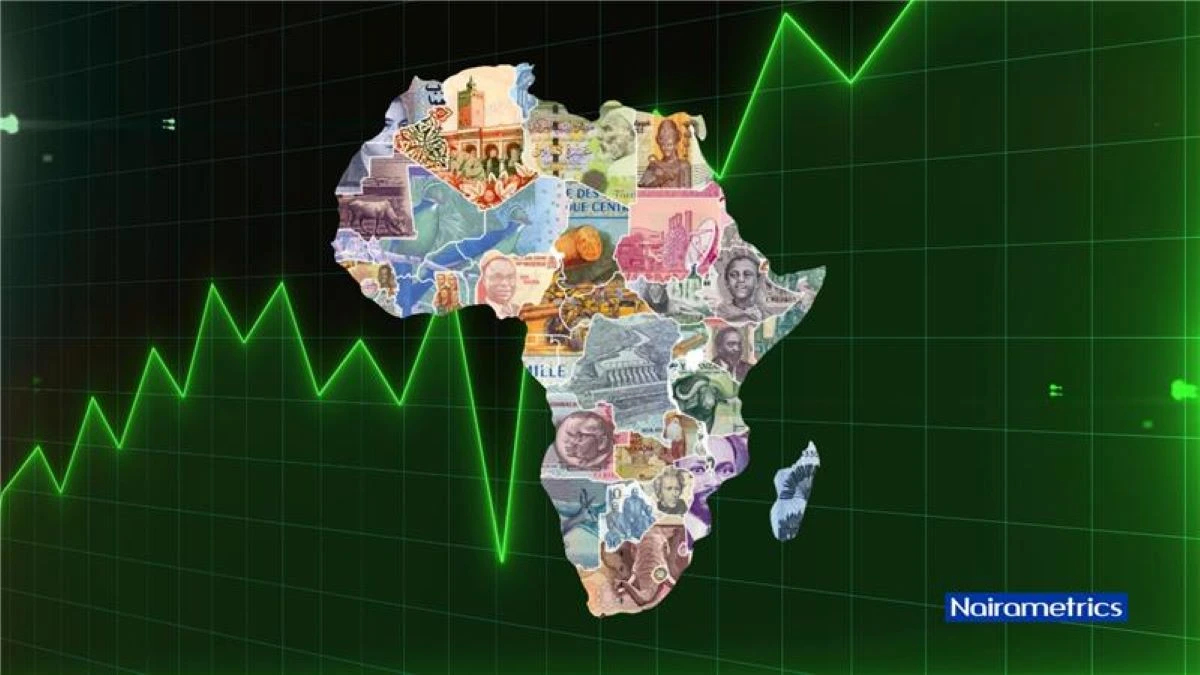
Inflation remains elevated across several African economies, with Malawi recording the highest rate among the countries reviewed at 19.40% in September 2026, followed by Rwanda at 17.20% and Libya at 16.60%.
The data reflects the most recent available readings as of September 2026.
South Sudan remains excluded from the ranking because a comparable 2026 inflation rate could not be verified from the available official data. Madagascar is included based on its May 2026 reading, the latest figure identified in the data reviewed.
Here are the 10 African countries with the highest inflation rates as of September 2026
Also Read
10. Madagascar – 8.60%
Madagascar recorded an inflation rate of 8.60% in May 2026, up from 7.90% in April, representing an increase of 0.70 percentage points, according to the National Institute of Statistics of Madagascar (INSTAT).
The May reading marked an acceleration in price pressures after inflation stood at 6.80% in March.
Food inflation reached 10.60% in May, highlighting the continued contribution of food prices to the overall increase in consumer prices.
9. Mauritania – 9.30%
Mauritania’s year-on-year inflation rate stood at 9.30% in September 2026, up from 8.90% in August, representing an increase of 0.40 percentage points, according to the National Agency of Statistics and Demography (ANSADE).
The increase came as the national consumer price index rose by 0.6% month-on-month in September. Food and non-alcoholic beverages, housing-related costs and healthcare were among the categories contributing to the monthly increase in consumer prices.
8. Sao Tome and Principe – 9.40%
Sao Tome and Principe recorded an inflation rate of 9.40% in August 2026, down from 9.50% in July, a decline of 0.10 percentage points, according to the country’s National Institute of Statistics (INE).
Despite the slight moderation in annual inflation, consumer prices increased by 0.8% month-on-month in August. Education recorded a particularly sharp monthly increase of 54.4%, driven mainly by higher school registration and enrolment fees. Transport prices also rose by 3.5%, while food and non-alcoholic beverage prices increased by 0.5%.
7. Egypt – 12.80%
Egypt’s annual national headline inflation rate rose to 12.80% in September 2026 from 12.70% in August, representing an increase of 0.10 percentage points, according to the Central Agency for Public Mobilization and Statistics (CAPMAS).
The increase came as consumer prices rose by 1.5% month-on-month, driven mainly by a 15.1% increase in vegetable prices. Fruit prices rose by 2.6%, while meat and poultry prices increased by 2.5%. The figures show that rising food costs continued to put upward pressure on the overall price index.
6. Nigeria – 14.63%
Nigeria’s headline inflation rate eased to 14.63% in September 2026 from 15.39% in August, a decline of 0.76 percentage points, according to the National Bureau of Statistics (NBS).
The decline extended the moderation in annual inflation, although food prices continued to exert pressure on households. Food inflation stood at 19.59% year-on-year in September, while month-on-month food inflation fell to -1.55%, indicating that average food prices declined during the month. Headline month-on-month inflation also slowed to 0.06% from 0.71% in August.
5. Ethiopia – 14.90%
Ethiopia’s annual inflation rate eased to 14.90% in September 2026 from 15.10% in August, representing a decline of 0.20 percentage points, according to the Ethiopian Statistical Service (ESS).
Food and non-alcoholic beverage inflation stood at 14.80%. However, non-food inflation remained higher at 15.10%. Prices of sugar, jam, honey and chocolate rose by 39.8% year-on-year, while meat prices increased by 22%, demonstrating continued pressure across several food categories.
4. Sierra Leone – 15.66%
Sierra Leone’s inflation rate rose to 15.66% in August 2026 from 14.89% in July, an increase of 0.77 percentage points, according to Statistics Sierra Leone..
Earlier data from June 2026 provide additional context on the country’s cost pressures. At the time, non-food inflation stood at 21.03%, while housing, water, electricity, gas and other fuels recorded annual inflation of 81.33%. Transport inflation also reached 40.23%.
3. Libya – 16.60%
Libya recorded an inflation rate of 16.60% in September 2026, up from 14.30% in August, representing an increase of 2.30 percentage points, based on the figures from Libya’s Bureau of Statistics and Census
The increase places Libya among the three countries with the highest latest available inflation readings in the group.
Food inflation accelerated to 21.20% in September from 16.90% in August, while month-on-month inflation increased to 2.10% from 1.40%. The figures indicate that rising food prices contributed to the renewed pressure on consumer prices.
2. Rwanda – 17.20%
Rwanda’s inflation rate climbed to 17.20% in September 2026 from 15.70% in August, representing an increase of 1.50 percentage points, according to the National Institute of Statistics of Rwanda (NISR).
The increase reflected price pressures across several major categories. Food and non-alcoholic beverage prices rose by 20.9% year-on-year, while transport prices increased by 22.4%. Energy prices recorded a particularly sharp annual increase of 45%, while prices of local products rose by 19.8%, compared with 9.7% for imported products.
1. Malawi – 19.40%
Malawi recorded the highest inflation rate among the countries reviewed, at 19.40% in September 2026, although this was down from 20.00% in August, representing a decline of 0.60 percentage points.
The moderation was driven mainly by easing food price pressures. Food inflation eased to 12.5% from 13.4% in August, while non-food inflation declined to 31.5% from 31.8%. The National Statistical Office attributed the slowdown in annual inflation partly to a smaller increase in food prices compared with the same period in 2025. However, higher charcoal and firewood prices continued to exert pressure on non-food inflation.
Key insight
Inflation trends across Africa remained mixed, with Malawi, Rwanda and Libya recording the highest rates in this ranking. While inflation eased in Malawi, it accelerated in Rwanda and Libya, reflecting different price pressures across the continent.
Nairametrics earlier reported that Ghana’s inflation rate rose for a second consecutive month to 5.2% in September, driven partly by higher food prices. In South Africa, inflation increased to 4.5% from 4.4% in August, as transport inflation accelerated to 10.8% from 8.8%, partly reflecting higher fuel prices.
These developments highlight the different sources of price pressure across the continent, ranging from food prices to fuel and transport costs.