Follow Us on Google Discover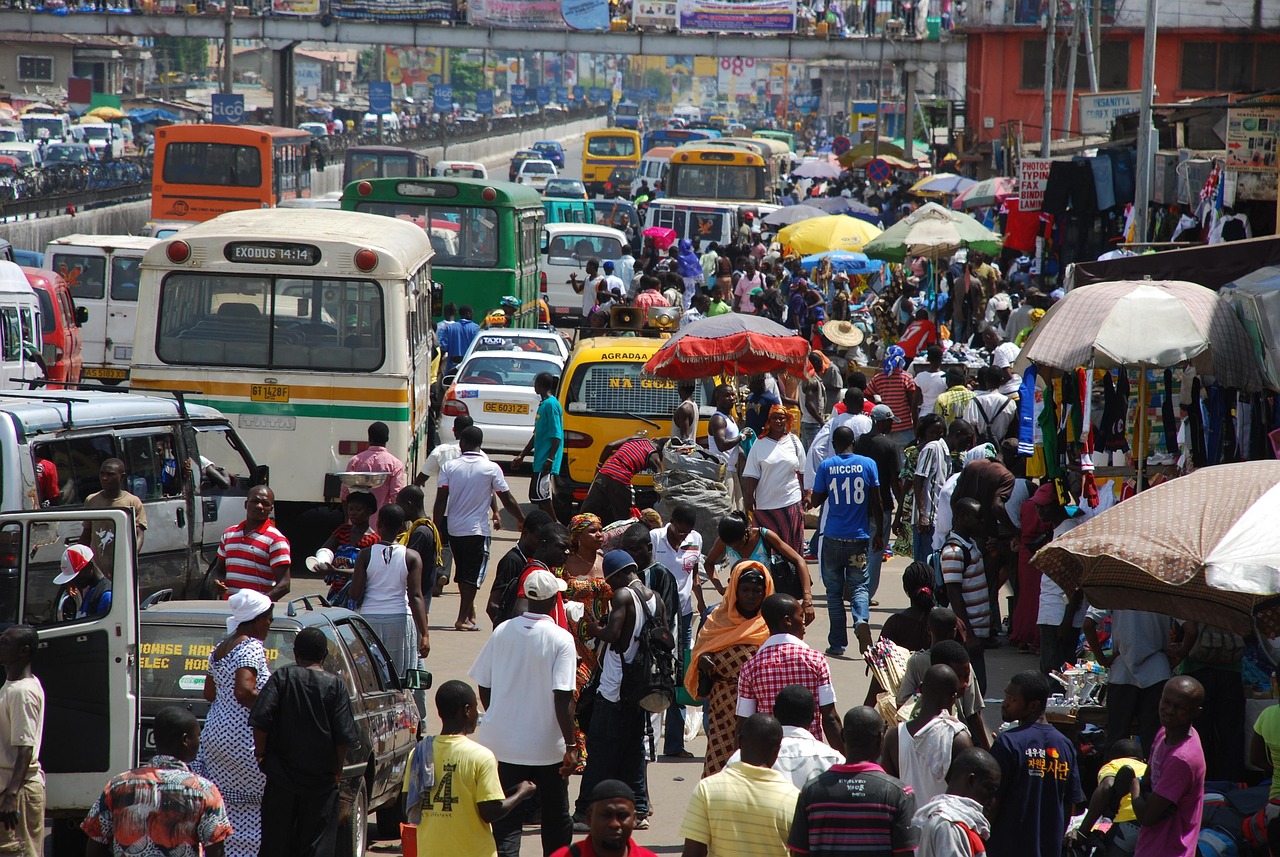
Ghana’s annual inflation rate rose for a second consecutive month to 5.2% in September, from 5% in August, as service price pressures strengthened.
Government Statistician Alhassan Iddrisu disclosed the figure to reporters in Accra on Wednesday, saying inflation was increasingly being driven by services and domestically generated items.
The increase could strengthen expectations that the Bank of Ghana will keep its policy rate unchanged at 14%, after pausing an aggressive easing cycle earlier this year.
Ghana inflation rises to 5.2%
Ghana’s inflation rate has nearly halved over the past year, but the latest increase points to renewed upward pressure on consumer prices.
Iddrisu said the direction of inflation over the past two months had shifted higher, with services and domestic items emerging as the main drivers.
- “Inflation has almost halved over the year, but the direction over the last two months is upward,” he said.
- “Today, inflation is mainly driven by services and by home-grown items.”
- Food inflation increased to 4% in September from 3% in August.
- Non-food inflation, however, slowed to 6.2% from 6.8% in August.
The September reading marks a modest increase in the headline rate but signals that the downward trend seen earlier in the year has lost some momentum.
Services drive Ghana price pressures
Service inflation remained elevated in September despite easing slightly on an annual basis, while its monthly pace accelerated.
- Service price inflation stood at 8.3% in September, compared with 8.6% in August. On a monthly basis, however, service prices increased by 0.8%, double the 0.4% recorded in the previous month.
- The Bank of Ghana has kept its policy rate at 14% since March, citing risks to inflation from the conflict in the Middle East.
The decision followed an aggressive easing cycle that reduced the benchmark rate from a peak of 28% the previous year. The latest inflation increase could reinforce the central bank’s preference to maintain the current rate as it monitors renewed price pressures.
Nigeria inflation eases to 15.39%
Nigeria’s headline inflation rate moved in the opposite direction in August, declining marginally to 15.39% from 15.43% in July, according to the National Bureau of Statistics (NBS).
- The August figure represented a 0.04 percentage-point decline from July and a much sharper 7.75 percentage-point reduction from the 23.14% recorded in August 2025.
- The contrasting inflation movements highlight different recent price trends in the two West African economies, with Ghana recording a second monthly increase while Nigeria posted a marginal decline in its latest reported figure.
The Central Bank of Nigeria’s latest Inflation Expectations Survey showed that 71% of respondents earning between N150,001 and N250,000 perceived inflation as high in July, compared with 55.6% among those earning N350,001 to N450,000.