Follow Us on Google Discover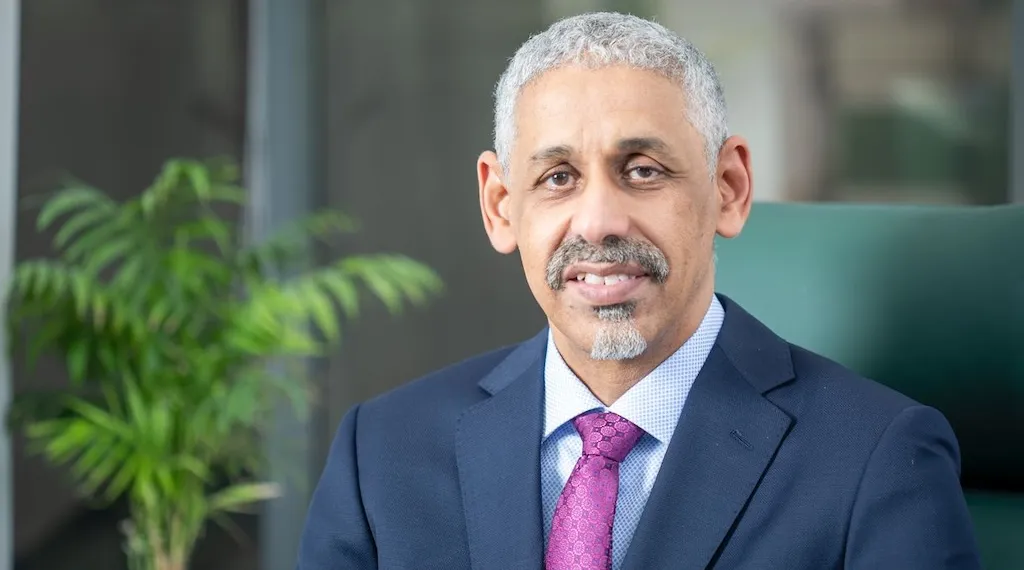
The African Development Bank Group and ODI Global have formalised a partnership to develop financing instruments and policy approaches aimed at helping African countries tackle rising debt pressures, high borrowing costs and shrinking access to concessional finance.
The partnership was announced in a statement published on the African Development Bank’s website on Tuesday.
Under a new Memorandum of Understanding, the institutions will combine the Bank Group’s operational and financing experience with ODI Global’s independent research to develop practical solutions around the cost of capital, private capital mobilisation and financing for countries facing structural vulnerabilities and economic transitions.
AfDB and ODI target Africa’s financing gap
African countries continue to face challenges securing affordable, long-term financing for infrastructure, energy, private-sector development and economic transformation. High capital costs, limited capital markets and pressure on concessional resources have increased the need for financing reforms that reflect the continent’s specific circumstances.
The partnership will examine how changes to multilateral development banks and Africa’s financial architecture can improve access to finance while identifying financing instruments that can expand capital-market access and the use of blended and concessional finance.
- “Designing financing around the realities of African economies is what turns ambition into results,” said Dr Sidi Ould Tah, President of the African Development Bank Group.
- “A partnership earns its place when it serves that agenda. This partnership with ODI Global is intended to do precisely that, rigorous, independent analysis put at the service of instruments that work in practice,” he added.
The institutions will assess approaches used by multilateral development banks to mobilise private capital, including portfolio offloading, insurance, guarantees and other risk-sharing mechanisms.
The collaboration builds on previous work between the two institutions through the Group of 20 and other multilateral channels on capital adequacy, callable capital and balance-sheet optimisation.
Partnership to strengthen development finance
The two organisations said their collaboration would move beyond individual projects towards a longer-term strategic relationship, with research intended to influence global discussions on concessional financing and institutional effectiveness.
ODI Global said the partnership could help African countries create greater room to determine investment priorities and plan for long-term development without increasing their financial vulnerabilities.
- “Many African countries are being asked to invest in economic transformation, resilience and climate action while facing high borrowing costs, rising debt pressures and declining access to concessional finance,” said Dr Sara Pantuliano CMG, Chief Executive at ODI Global.
- “By bringing together the African Development Bank Group’s operational experience and ODI Global’s independent research, this partnership will help identify reforms that give countries greater room to determine their own investment priorities,” she said.
Joint research will contribute to policy notes, meetings and discussions linked to replenishments of the African Development Fund, the Bank Group’s concessional financing window for low-income African countries.
The work is also expected to support reforms aimed at making the Fund more responsive to financing constraints, strengthening private-sector development and mobilising additional resources.
NAFAD seeks to mobilise African resources
The partnership will complement the African Development Bank Group’s implementation of the New African Financial Architecture for Development (NAFAD), endorsed under the Abidjan Consensus in April 2026.
NAFAD is designed to help address Africa’s $400 billion annual financing gap by making greater use of the continent’s domestic resources, including savings, local capital markets and continent-wide guarantee and risk-sharing systems.
Nigeria has also pursued initiatives aimed at expanding access to affordable finance and mobilising private capital for development.
- In June, the Federal Government said the Ministry of Finance Incorporated Real Estate Investment Fund (MREIF) had provided N128 billion in affordable mortgage financing to 1,859 Nigerian families across 25 states.
- In 2025, MREIF listed its N1 trillion Series 2 fund on the Nigerian Exchange Group (NGX) to mobilise private and institutional capital for affordable housing.
The Centre for the Promotion of Private Enterprise has called for stable energy costs and improved access to affordable financing for productive-sector businesses in Nigeria.