Follow Us on Google Discover
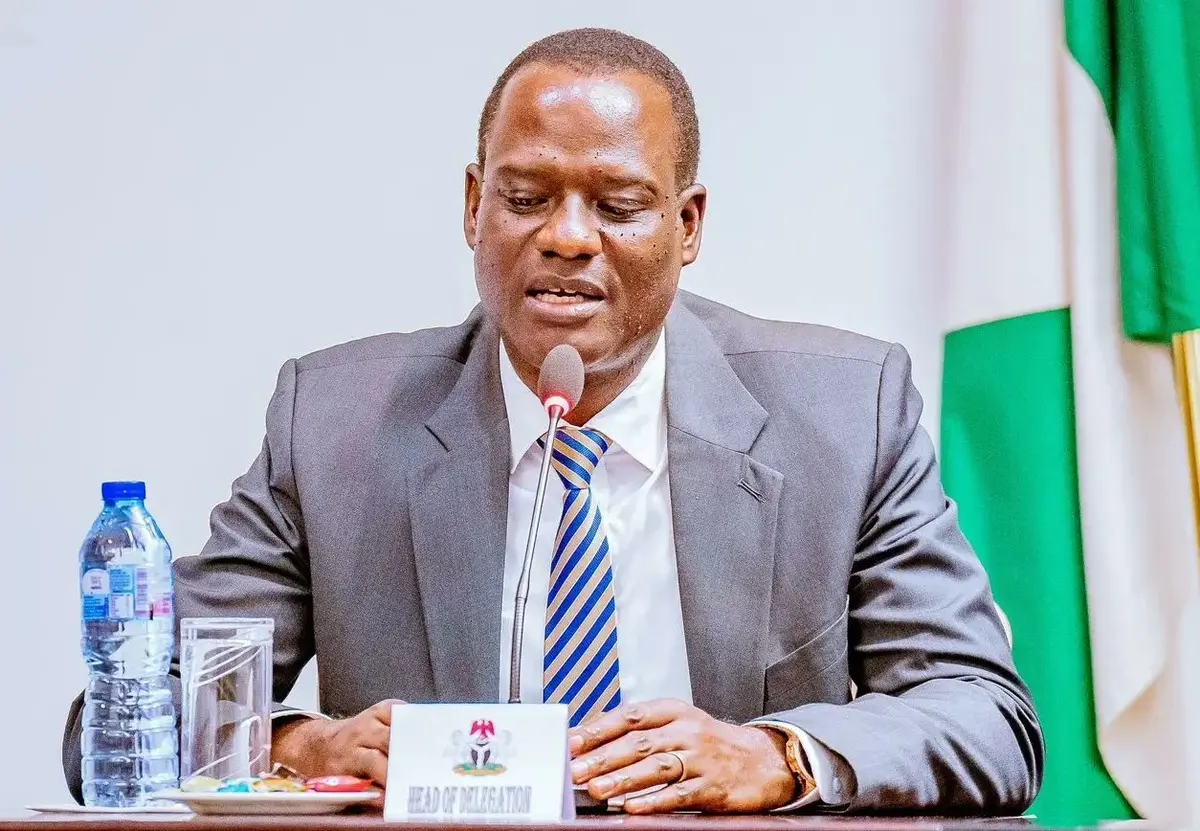
Nigeria’s Minister of Finance and Coordinating Minister of the Economy, Taiwo Oyedele, has denied reports that the Federal Government plans to introduce a fuel tax when the economy stabilises.
In a statement posted on his official X account on Tuesday, October 20, 2026, Oyedele described the reports as misleading.
He said the reports misrepresented his interview with Arise News, insisting that a fuel tax was not under consideration and that introducing such a tax after the removal of petrol subsidies would be insensitive.
Oyedele Says Fuel Tax Is Not Planned
Oyedele said some online reports had distorted his comments during the interview, describing claims that the government planned to introduce fuel taxes as fake news.
Also Read
In his statement, the minister said:
“Misrepresented remarks on fuel tax. In my interview with ARISE News, I was clear: a fuel tax is not on the table.”
“Having removed the fuel subsidy, it would be insensitive for government to impose a fuel tax at this time.”
He added that some online reports had twisted his remarks into a claim that the government planned to introduce fuel taxes.
“Some online reports have since twisted this message into a claim that government plans to introduce fuel taxes. That is FAKE NEWS. Please disregard the misleading headlines and watch my remarks on the issue,” he said.
Nigeria’s Long-Running Fuel Tax Debate
The fuel tax debate has remained a point of contention for several years between the Federal Government, which views it as a potential source of revenue, and Nigerians, who have strongly opposed the move.
Former President Olusegun Obasanjo’s attempt to introduce a N1.50-per-litre fuel tax in 2004 sparked mass protests and prompted the Nigeria Labour Congress (NLC) to threaten a general strike.
Prominent figures, including then-Lagos State Governor Bola Tinubu, also opposed the policy.
During his Arise News interview, Oyedele argued that introducing fuel taxes immediately after the removal of petrol subsidies would be insensitive and place additional pressure on Nigerians.
The minister also noted that fuel taxes are common in other countries, with many African nations imposing multiple taxes on petroleum products.
“Now, if you look across the world, between 20 to 80% of price is taxes. Many of the countries in Africa have between six to 10 different taxes on fuel products,” he said.
What you should know
In June 2026, the Alliance for Economic Research and Ethics LTD/GTE criticised the International Monetary Fund’s (IMF) recommendation for new telecom and fuel taxes, warning that the measures could worsen Nigeria’s cost-of-living pressures.
The group stated its position in response to the IMF’s 2026 Article IV Consultation Report.
The Alliance acknowledged Nigeria’s persistent challenges in mobilising revenue.
It argued that the proposed taxes could increase financial pressure on households and businesses amid elevated inflation and rising living costs.
The group also maintained that the IMF’s recommendations relied on familiar fiscal measures that could have adverse social and economic consequences.
The debate over fuel taxation therefore remains tied to the Federal Government’s revenue needs and concerns about the financial burden on Nigerians.