Follow Us on Google Discover
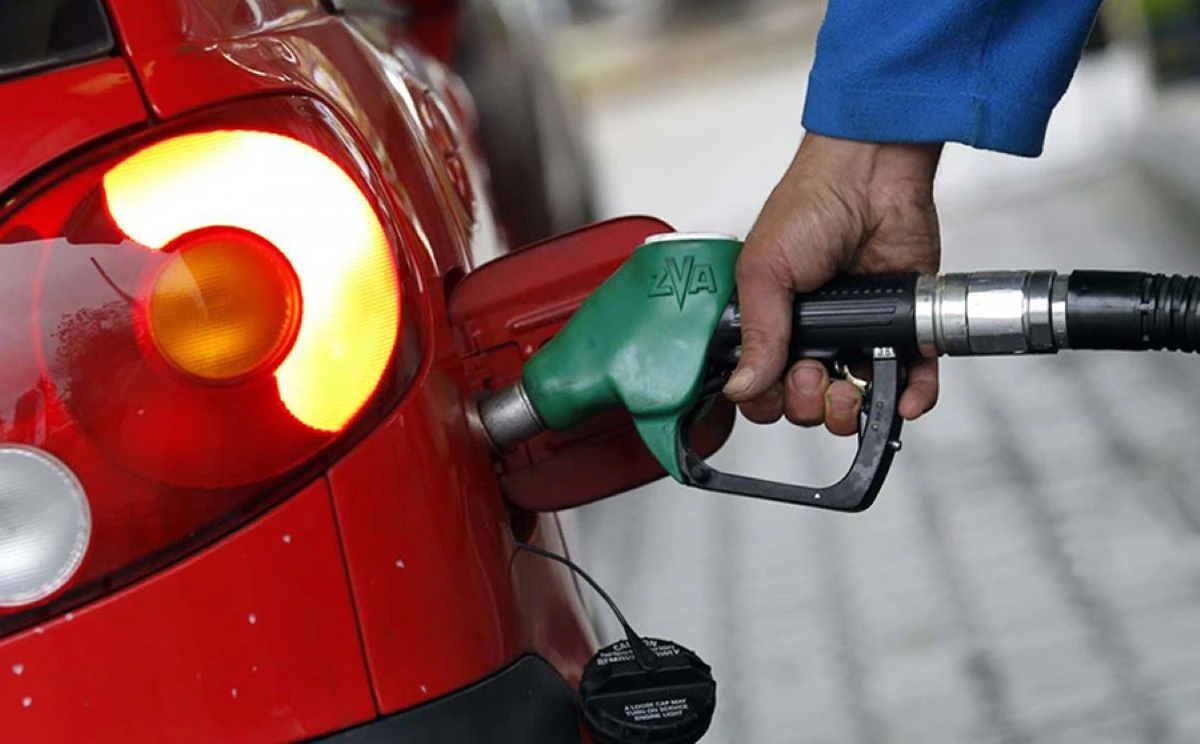
Independent petroleum marketers in Nigeria say intense competition is squeezing their profit margins and pushing motorists to prioritise cheaper petrol over brand loyalty.
In an exclusive chat with Nairametrics, Chinedu Ukadike, National Publicity Secretary of the Independent Petroleum Marketers Association of Nigeria (IPMAN), said motorists are willing to queue for days at retail outlets offering lower prices.
The development comes amid continued volatility in the downstream petroleum sector, rising product acquisition costs and higher operating expenses. Marketers say they are facing mounting financial pressure even as pump prices increase, with sudden price changes also exposing them to significant losses.
Petrol price war weakens brand loyalty
Ukadike said profit margins have not improved despite the increase in petrol prices because marketers must keep their prices competitive to attract customers.
Also Read
- “The margin has not improved now. It has not improved because basically you are in a competitive era, so you can’t talk about big margin, you put small to sell so that other people around you will not assist you.
- “You will now use the price now to attract customers not brand.
- “It’s not a brand anymore. Anywhere the commuters see that the product is very cheap and low, they will queue up, they don’t care. They can spend three days to be able to buy it. So, it’s no longer a brand.”
Another oil marketer, Philip Bulus, said the increase in petrol prices has not necessarily translated into higher profits because the cost of purchasing products and running filling stations has also risen.
- “Since the increase in petrol prices, our profit margins have come under pressure. Although the selling price per litre has increased, that does not automatically mean we are making more profit. Our cost of purchasing petrol has also gone up, alongside transportation, logistics, electricity, staff salaries and other operating expenses.”
Bulus added that restocking now requires significantly more capital, while consumers are becoming more cautious about how much petrol they buy. He also warned that marketers who purchase products at high prices risk losses if market prices fall before they sell their stock.
Rising costs squeeze petrol marketers
Bulus said marketers are adopting several strategies to manage operating costs and remain competitive in the current market.
- “The first strategy is effective cash flow management. In this business, you need sufficient capital to purchase products and keep your station running. We therefore have to plan our purchases carefully and ensure that money is available for restocking rather than tying up too much capital in other expenses.”
He said marketers are also focusing on reducing unnecessary expenses, retaining customers and monitoring competitors’ prices and changes in supply costs.
- “Second, we pay close attention to our operating costs. We look for ways to reduce unnecessary spending on logistics, electricity, equipment maintenance and other expenses without compromising safety or the quality of our services.
- “Third, we focus on customer retention. We try to offer reliable products, accurate measurements, good customer service and consistent availability. When customers trust your station, they are more likely to return, even when another station is offering a slightly lower price.
- “We also monitor competitors’ prices and changes in supply costs. We cannot simply increase our pump price whenever our expenses rise because customers may move to another station. At the same time, selling below a sustainable level can lead to losses.”
Bulus said the survival of marketers depends on balancing prices, sales volumes, operating costs and customer loyalty. He added that while pump prices influence consumers’ choice of filling station, brand reputation and location also matter.
Meanwhile, Ukadike has maintained that independent marketers do not receive credit supplies from refineries or petroleum importers, adding to their financing challenges.
What you should know
In March 2026, Nairametrics reported that oil marketers had raised concerns about the impact of rising petrol prices linked to the ongoing Middle East conflict on their businesses.
The marketers said the increase in pump prices had raised the amount of money required to purchase a truckload of petroleum products, while returns remained low and potentially insufficient to cover the high interest rates on bank loans.
They also reported a significant drop in demand, with some customers who previously purchased 20,000 litres or 10,000 litres reducing their orders to about 2,000 litres or 1,000 litres.
The marketers explained that petrol pricing is influenced by replacement costs, meaning they must consider the cost of obtaining their next supply when setting pump prices.
They warned that continuing to sell at old prices when replacement costs have increased could erode the capital needed to purchase new supplies and potentially lead to shortages.