Follow Us on Google Discover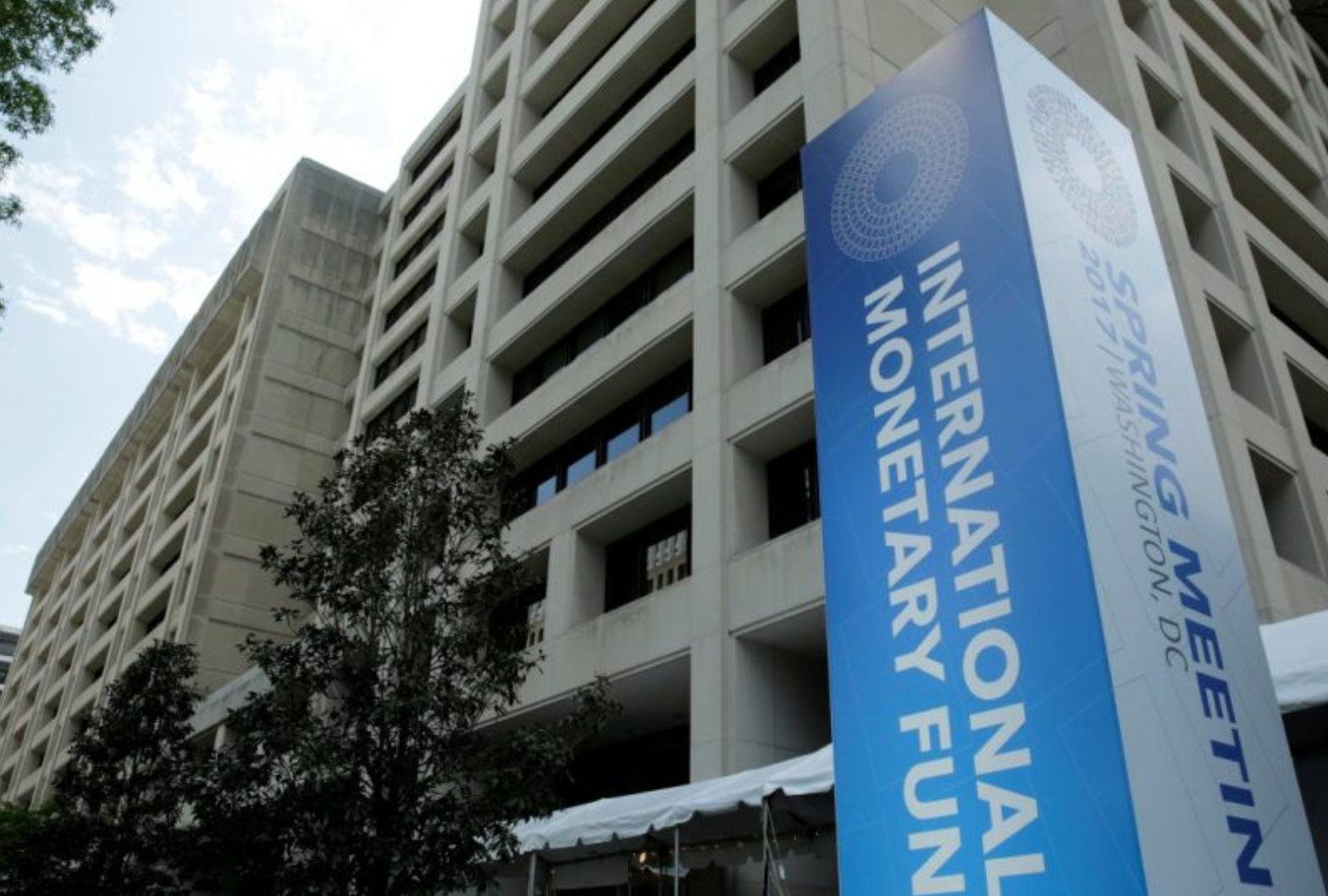
The Alliance for Economic Research and Ethics LTD/GTE has criticised the International Monetary Fund’s (IMF) recommendation for new telecom and fuel taxes, warning that the measures could worsen Nigeria’s cost-of-living pressures.
The group made its position known in a statement issued on Sunday in response to the IMF’s 2026 Article IV Consultation Report.
While acknowledging Nigeria’s persistent revenue mobilisation challenges, the Alliance argued that the IMF’s proposals could impose additional financial pressure on households and businesses at a time of elevated inflation and rising living costs.
What the think tank is saying
The Alliance argued that the IMF’s latest recommendations rely on familiar fiscal measures that could have adverse social and economic consequences.
Also Read
- “The International Monetary Fund (IMF) has once again reached into its well-worn bag of fiscal tricks and pulled out the same tired prescription for Nigeria: tax fuel, tax telecom, tax everything that moves, breathes, or connects.”
- “The Alliance for Economic Research and Ethics LTD/GTE has read this script before. We have seen this movie. And like a Nollywood sequel that refuses to end, the plot remains tragically predictable: the poor get poorer, the middle class evaporates, and the bureaucrats in Washington pat themselves on the back for ‘fiscal discipline’.” The group noted.
- The organisation described its response as an evidence-based rebuttal, arguing that Nigeria could not afford policy mistakes that would increase the burden on citizens.
More insights
Despite its criticism, the Alliance acknowledged that the IMF had accurately diagnosed Nigeria’s fiscal challenges.
According to the organisation, Nigeria’s tax-to-GDP ratio improved marginally from a low of 7.9% in 2022 to 8.2% in 2023. However, this remains significantly below the African average of 16.1%, underscoring the country’s persistent revenue-generation challenges.
The IMF projects that its recommended tax measures could generate an additional 3.9% of GDP in revenue within three years, while administrative reforms could contribute a further 3.1%.
However, the Alliance argued that the Fund’s proposed solutions could have adverse economic consequences, describing the recommendations as a “lethal prescription” for an economy already grappling with multiple pressures and vulnerabilities.
Back story
Earlier, Nairametrics reported IMF advised the Nigerian government to introduce excise duties on telecommunications services and extend VAT to fuel products as part of broader measures to strengthen its revenue.
The IMF said Nigeria would need additional tax policy reforms over the medium term to create enough fiscal space for development spending and social interventions.
- “Further tax policy changes will likely be needed—such as increasing the VAT rate, extending VAT to fuel products, rationalizing tax expenditures in particular VAT exemptions on extractive industries and some customs duties, and introducing telecom excises—to complement administrative gains,” the Fund stated.
Also, in November, the Nigerian Midstream and Downstream Petroleum Regulatory Authority (NMDPRA) announced the suspension of the proposed 15% ad-valorem import duty on Premium Motor Spirit (PMS) and Automotive Gas Oil (AGO), commonly known as petrol and diesel.
President Bola Tinubu earlier approved a 15 percent ad-valorem import duty on diesel and petrol.
This was a move oil marketers have described as very challenging and would lead to an increase in the price of petroleum products.
What you should know
Nairametrics earlier reported that the IMF in the Article IV consultation acknowledged the rising poverty in the country despite the improvement in the macroeconomic conditions of the country.
The report added that rising global prices of fuel, food, and fertilizer are expected to improve Nigeria’s export earnings and fiscal revenues but could also intensify inflationary pressures and worsen hardship for vulnerable households.
In September, the Federal Government suspended the 4% Free on Board (FOB) charge recently imposed on imported goods by the Nigeria Customs Service.