Follow Us on Google Discover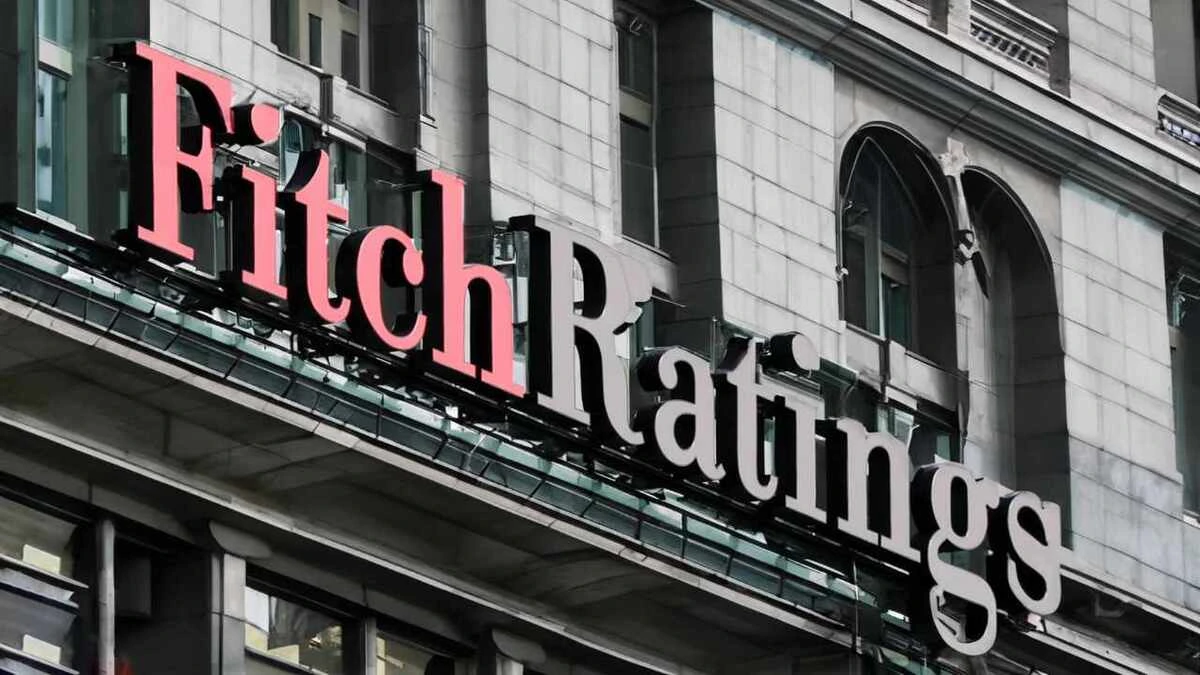
Fitch Ratings has revised Nigeria’s credit outlook to Positive from Stable while affirming its long-term issuer default ratings at ‘B’.
The rating action was announced on Friday, October 9, 2026, according to the Fitch Ratings Nigeria Rating Action Report.
The report noted that the improved outlook reflects stronger foreign exchange reserves, ongoing economic reforms and moderating inflation, although fiscal pressures and high debt-servicing costs remain concerns.
Fitch cites stronger reserves, reforms
Fitch said Nigeria’s improved macroeconomic policy framework and stronger external financial position have increased its resilience to economic shocks.
Also Read
- “Fitch Ratings has revised the Outlook on Nigeria’s Long-Term Issuer Default Ratings (IDRs) to Positive from Stable and affirmed the IDRs at ‘B’,” the report read in part.
The agency noted that gross foreign exchange reserves rose to $54.9 billion as of September 25, 2026, from $32 billion in mid-April 2024.
Fitch attributed the increase to portfolio inflows, export receipts, remittances and the formalisation of foreign exchange transactions.
Nigeria’s current account surplus is projected to reach 6.4% of GDP in 2026, while reserve coverage is expected to hit 6.3 months of current external payments by year-end.
Net foreign exchange reserves rose to $34.8 billion at the end of 2025, from about $4 billion at the end of 2023, following a reduction in the Central Bank of Nigeria’s foreign exchange liabilities.
Fitch also highlighted improved oil production and domestic refining. Crude oil production, excluding condensates, averaged 1.52 million barrels per day in the second quarter of 2026, while the ramp-up of Dangote Petroleum Refinery and rehabilitation of other refineries have reduced refined fuel imports and foreign exchange demand.
Nigeria’s growth and inflation outlook
Fitch forecasts Nigeria’s GDP growth at 4.3% in 2026, up from 4% in 2025, and expects growth to remain above 4% in 2027 and 2028.
- The agency expects average annual inflation to moderate to 15.4% in 2026, less than half its 2024 level. However, this remains above the 5.6% median for countries rated ‘B’.
- Fitch described the CBN’s September monetary policy adjustment as calibrated easing but said retaining the 45% cash reserve requirement would continue to absorb naira liquidity and limit credit growth.
It also warned that high food and fuel prices, further petrol price increases and security risks could weaken household incomes and economic growth.
High debt costs constrain Nigeria’s rating
Despite the improved outlook, Fitch expects Nigeria’s fiscal deficit to widen to 3.6% of GDP in 2026, from 3.1% in 2025, partly because of higher government spending.
Tax reforms are expected to raise non-oil revenue to 7.5% of GDP, equivalent to 66% of government revenue, although implementation constraints could limit the gains.
- Fitch projects that the general government interest-to-revenue ratio will average 27% between 2026 and 2028, compared with a 14% median for ‘B’-rated countries. The Federal Government’s ratio is expected to remain above 50%.
- The agency said sustained lower inflation, stronger reserves, continued reforms and improved non-oil revenue mobilisation could support a future rating upgrade. However, weaker policy credibility, renewed foreign exchange pressures, reduced external financing or a sustained widening of the fiscal deficit could trigger negative rating action.
In September 2026, Fitch also warned that Nigeria’s use of Total Return Swaps and repurchase agreements could create transparency, liquidity and creditor-recovery risks. Its concerns followed an earlier warning in June over a proposed $5 billion TRS facility with First Abu Dhabi Bank.
Nigeria’s forex reserves reach $55 billion
CBN Governor Olayemi Cardoso said Nigeria’s gross foreign exchange reserves had reached a record $55 billion, while net reserves rose to $46 billion.
Speaking at the Nigeria-Asia Connectivity Dialogue on Thursday, Cardoso said foreign exchange market stability and stronger reserves were helping to boost investor confidence.
Net reserves increased by $11.2 billion from $34.8 billion at the end of 2025. The measure deducts near-term liabilities, including foreign exchange swaps and forward contracts, from the CBN’s holdings to indicate funds available for immediate external obligations.
Cardoso also noted that net reserves had fallen below $1 billion at the height of Nigeria’s foreign exchange crisis.
Fitch’s decision leaves Nigeria’s credit rating at ‘B’. The Positive outlook indicates the potential for an upgrade if improvements are sustained; it does not mean the rating has already been upgraded.