Follow Us on Google Discover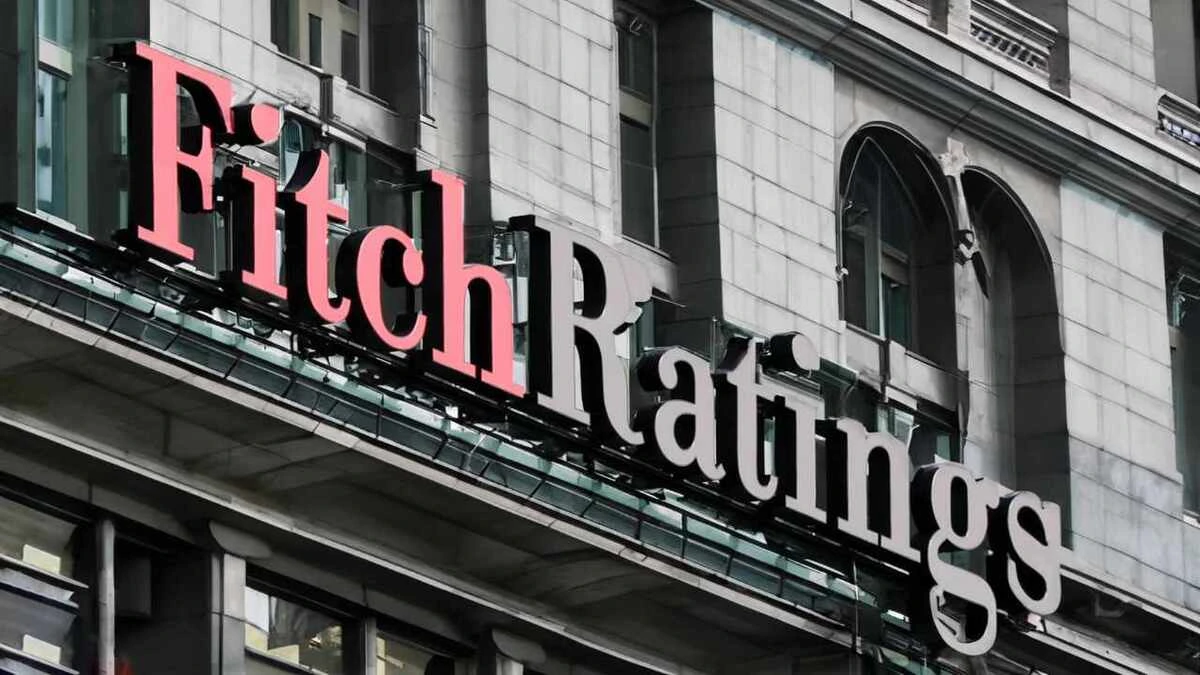
Fitch Ratings has raised concerns over Nigeria’s use of Total Return Swaps (TRS) and repo transactions as alternative financing tools, warning that the structures could create transparency, liquidity, and creditor-recovery risks despite helping governments diversify funding sources.
The concerns were outlined in a special report published on September 14, 2026, titled “Sovereign Total Return Swaps and Repo Transactions: Q&A 2026.”
The report, authored by Fitch analysts Gabriel Comolet and Todd Martinez, examines the growing use of these instruments by emerging-market sovereigns, including Nigeria, Angola, Senegal, Colombia, and Argentina.
What they are saying
According to Fitch, while TRS transactions can provide governments with access to liquidity and alternative funding channels, they also introduce complexities that may obscure the true scale of sovereign liabilities and complicate debt management during periods of financial stress.
Also Read
- Fitch noted that the motivations behind TRS transactions differ across countries and have evolved over time.
- While Angola initially turned to the instrument because of limited access to traditional capital markets, the agency said more recent transactions by both Angola and Nigeria appear to be driven by funding diversification and liquidity management objectives rather than an inability to borrow through conventional channels.
- The report observed that the headline borrowing costs associated with many sovereign TRS transactions are broadly comparable to prevailing Eurobond yields. However, Fitch cautioned that the true cost of such arrangements may be higher than advertised.
- According to the agency, borrowing costs can be understated when factors such as the opportunity cost of pledged collateral, exposure to margin calls, and early termination provisions are taken into account.
- Fitch also pointed to growing concerns among international financial institutions regarding the use of these financing structures.
- The agency noted that the International Monetary Fund (IMF) has specifically highlighted the opacity and potential risks associated with Nigeria’s proposed TRS arrangement and has adopted a more conservative approach when accounting for the collateral involved.
The report further referenced comments by former World Bank President David Malpass, who previously described such structures as creating “a new race toward seniority” in sovereign debt markets, reflecting concerns about how swap-backed financing could alter the hierarchy of creditor claims.
Fitch identifies three key risks
According to Fitch, the risks associated with sovereign TRS transactions fall into three major categories: transparency, liquidity management, and creditor recovery.
- On transparency, the agency said the terms of many TRS agreements are often only partially disclosed, limiting visibility into contingent liabilities and making it difficult for investors, lawmakers, and market participants to accurately assess potential risks.
- Fitch warned that reduced disclosure could weaken oversight and obscure the possibility of future obligations arising from margin calls or contractual triggers embedded within the agreements.
- On liquidity, the agency highlighted the procyclical nature of collateral-backed structures.
- Because governments typically pledge their own bonds as collateral, the value of those assets tends to decline during periods of economic or financial stress. This means a sovereign could face margin calls or early termination provisions precisely when access to foreign exchange and liquidity is already constrained.
- The agency also raised concerns about creditor recovery prospects in a potential debt restructuring scenario.
- According to Fitch, TRS lenders may be able to recover most or all of their exposure by liquidating pledged collateral rather than participating in restructuring negotiations.
This could leave traditional unsecured bondholders bearing a larger share of losses if a sovereign debt restructuring were ever required.
IMF and Fitch differ on debt treatment
The report highlighted a significant difference between how Fitch and the IMF account for sovereign TRS transactions.
Fitch generally treats pledged bond collateral as a contingent liability rather than immediate debt, viewing the financing proceeds received under the transaction as the primary debt obligation.
The IMF, however, adopts a more conservative position.
Where sovereign-issued bonds are used as collateral—as proposed in Nigeria’s arrangement—the Fund treats the transaction as involving a full transfer of ownership and therefore counts the entire value of the pledged bonds as part of the country’s debt stock.
As a result, Nigeria’s debt figures under IMF calculations would reflect the full value of the collateral pledged under the arrangement, even if the swap is eventually unwound.
Get up to speed
The latest report builds on Fitch’s June 2026 warning regarding Nigeria’s proposed $5 billion Total Return Swap transaction with First Abu Dhabi Bank.
- At the time, the rating agency cautioned that the structure could obscure sovereign debt risks and complicate any future debt restructuring process.
- Fitch acknowledged that TRS transactions can provide cheaper financing and broaden funding options, but argued that the benefits must be balanced against concerns around disclosure, governance, and financial stability.
- The agency said Nigeria’s proposed arrangement appears primarily aimed at funding diversification and liquidity management rather than addressing a lack of market access.
However, Fitch warned that insufficient disclosure of contractual terms, particularly those relating to margin calls and early termination clauses, could become a concern when assessing sovereign creditworthiness.
What you should know
Nigeria formally entered the TRS financing space earlier this year after the Senate approved a proposed $5 billion transaction involving First Abu Dhabi Bank.
- The facility, approved in April and expected to mature in 2032, is intended to help refinance expensive debt obligations and support critical infrastructure development.
- Under the arrangement, Nigeria plans to pledge local-currency government bonds as collateral in exchange for hard-currency liquidity.
- The proposal has attracted attention from international financial institutions.
- In June, the IMF also cautioned Nigeria about the risks associated with derivatives-based sovereign financing, noting that such transactions can be highly complex and may not always provide sufficient transparency regarding a country’s true debt exposure.
While both Fitch and the IMF acknowledge the funding flexibility offered by swap-based financing structures, they have urged policymakers to ensure adequate disclosure and risk management to avoid creating vulnerabilities within the country’s public debt framework.