Follow Us on Google Discover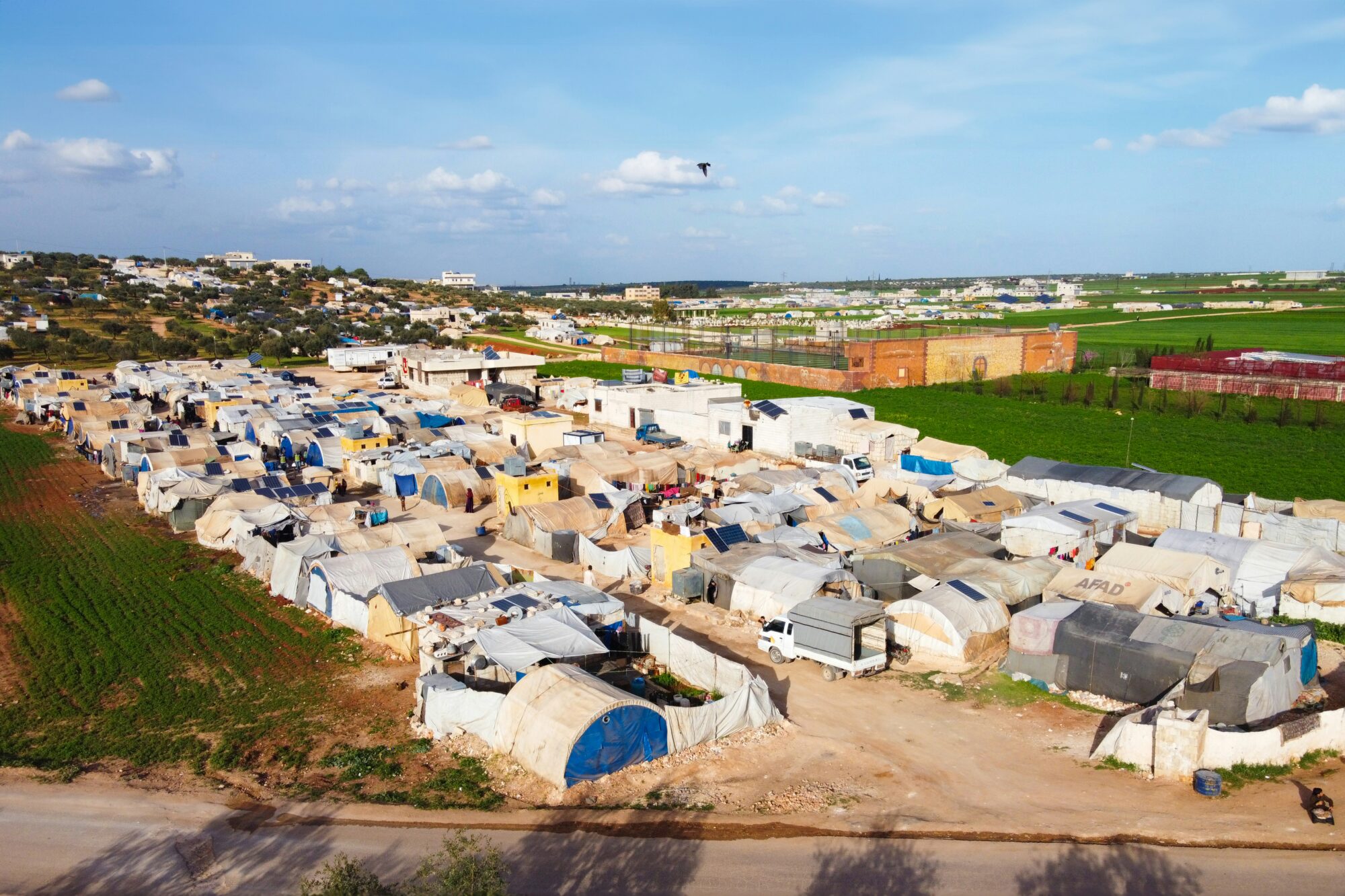
Nearly 8.3 million refugees and other forcibly displaced people are currently at risk of losing access to vital assistance from the United Nations refugee agency as severe funding cuts push protection services towards breaking point.
The United Nations High Commissioner for Refugees (UNHCR) issued the warning on Tuesday, saying its ability to protect and assist refugees, internally displaced people (IDPs) and stateless people is being eroded by a sustained and worsening funding shortfall.
The agency said its available funding fell from $5.2 billion in 2024 to $3.9 billion in 2025, while the number of people it is mandated to protect remains close to historically high levels.
UNHCR faces $5.8 billion funding gap
UNHCR said it needed $8.5 billion this year to protect refugees, but had received only 32% of that amount, or $2.7 billion, by the end of July.
Also Read
UNHCR said the funding shortfall means nearly 8.3 million forcibly displaced people are “at risk of losing access to UNHCR assistance”.
- “Continued severe funding cuts are pushing refugee support and protection structures towards breaking point in the world’s main displacement situations,” the agency said.
UNHCR said it had undertaken reforms and prioritisation measures to protect its most critical work, but the scale and persistence of the funding shortfall meant that even its highest-priority work was now being affected.
- “Protection cannot be reduced indefinitely without systems collapsing,” Dominique Hyde, UNHCR’s external relations chief, said.
- “Below a certain threshold, services do not simply reach fewer people; they can stop functioning altogether, leaving those most at risk without the protection they need.”
The agency cited several examples of the impact of funding constraints across major displacement situations.
In Chad, 319,000 refugees faced registration delays, leaving them without documentation needed to access services, while around 233,000 children could lose access to child protection services.
In Ethiopia, child protection coverage in some areas has declined by as much as 85%.
In Sudan, UNHCR warned that tens of thousands of survivors of sexual violence and children at serious risk could lose access to critical protection services.
UNHCR workforce shrinks as displacement remains high
UNHCR said 117.8 million people worldwide were forcibly displaced from their homes at the end of 2025, down from a record 123.2 million in 2024.
- Of the 117.8 million forcibly displaced people, 35.6 million were refugees under UNHCR’s mandate, with two-thirds coming from Venezuela, Ukraine, Syria, Afghanistan and Sudan.
- The agency shed nearly 5,000 jobs in 2025, representing more than a quarter of its workforce, following cuts in foreign aid by major donors.
- The United States, traditionally the world’s largest donor, has heavily reduced foreign aid, while other major donors have also tightened spending.
UNHCR said the funding cuts were also undermining efforts to help displaced people move away from reliance on humanitarian assistance.
Nigeria’s displacement crisis
The funding constraints facing UNHCR come as Nigeria continues to grapple with a large displaced population and significant humanitarian needs.
Nairametrics previously reported that the number of forcibly displaced people in Nigeria reached 3.7 million as of April 2025, according to UNHCR Africa.
In August 2025, the World Bank approved $300 million to strengthen resilience and expand access to essential services for internally displaced people and host communities in Northern Nigeria.
In July 2026, the World Food Programme said it needed $89 million over six months to sustain food and nutrition assistance and critical logistics support across northern Nigeria, where more than 17 million people were facing acute hunger amid insecurity, displacement and funding shortages.