Follow Us on Google Discover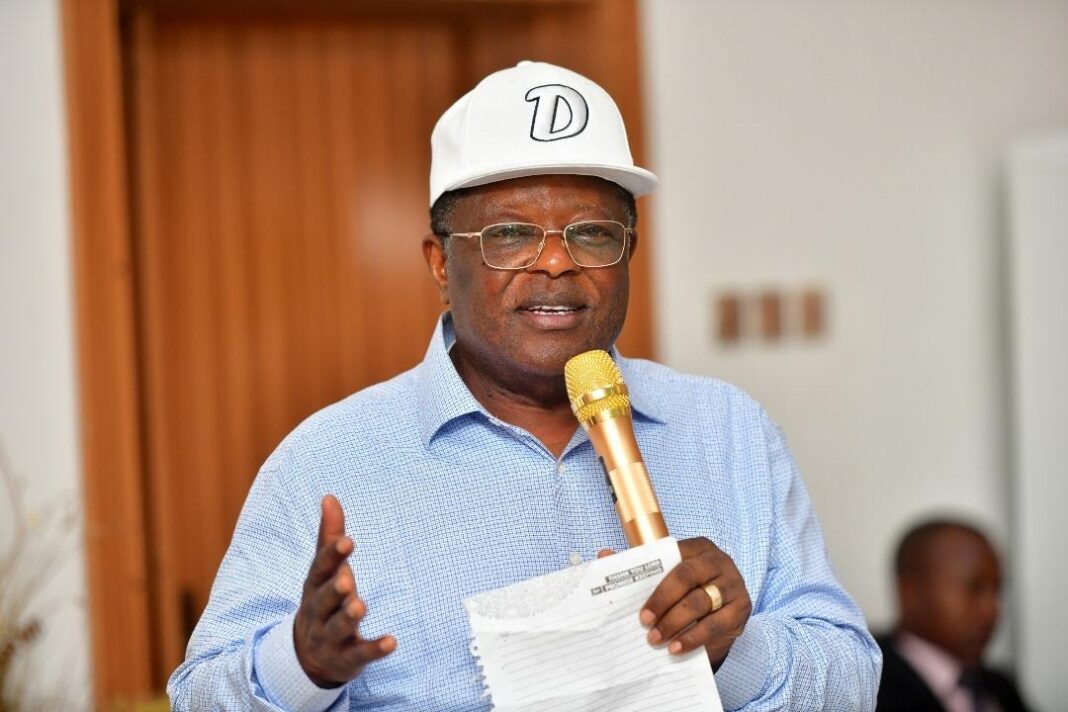
The Federal Government has announced that the First Niger Bridge linking Anambra and Delta States will reopen to traffic next week following the completion of key rehabilitation works.
Minister of Works, David Umahi, gave the assurance on Wednesday after inspecting ongoing repairs at the Onitsha Bridge Head, as reported by Channels Television.
The Federal Ministry of Works had earlier announced the closure of the bridge from September 7 to September 21, 2026, but the reopening has been extended by one week due to persistent rainfall.
First Niger Bridge repairs near completion
The contractor, SKECC, has made significant progress on the rehabilitation of the First Niger Bridge, including replacing and properly securing bolts removed by vandals. The specialised expansion joint removed by vandals has also been manufactured and brought into the country for installation.
Also Read
- “The Federal Government says the First Niger Bridge will reopen to traffic next week, following the completion of key rehabilitation works on the bridge linking Anambra and Delta States,” the report read in part.
- “We are not going to be stampeded to open the bridge until the major structural work has been achieved,” Umahi said.
Umahi also directed the contractor to repaint the bridge’s structural components, caps and internal carriageway sections and remove illegal advertisements from the facility.
He ordered the installation of additional solar-powered streetlights and completion of CCTV cameras, with the surveillance system to be linked to the Second Niger Bridge.
While acknowledging the progress made within about 10 days, Umahi stressed that safety would remain the priority before the bridge is reopened. He also directed an empirical assessment of the bridge’s structural elements above and below the water level, with the assessment report required before the current phase of rehabilitation is concluded.
Why First Niger Bridge was closed
Nairametrics had reported that the Federal Ministry of Works would close the First Niger Bridge between September 7 and September 21, 2026, to enable emergency maintenance and rehabilitation works on the deteriorated bridge.
- The bridge was closed after vandals removed critical structural components, including bolts, nuts and portions of the expansion-joint steelwork.
- The closure affected motorists travelling between Anambra and Delta states, with road users advised to use the Second Niger Bridge through Obosi towards Asaba and other destinations.
- The intervention principally involved milling and removing the existing deteriorated asphalt surfacing, laying approximately 40mm of asphalt wearing course and carrying out associated maintenance and safety works.
Traffic diversion arrangements, road signs, safety barriers and traffic-control personnel were to be deployed to guide motorists and ensure the safety of road users and construction personnel.
Motorists were advised to obey temporary traffic signs, approach construction and diversion zones with caution, reduce speed and avoid reckless overtaking.
Delta State Commissioner for Works, Rural Roads and Public Information, Charles Aniagwu, commended the Federal Government for the speed and quality of the rehabilitation. He said the directives given after Umahi inspected the bridge on August 28 had been implemented, while damaged portions of the asphalt surface had also been removed and replaced.
Second Niger Bridge access expands
The Federal Government officially commenced construction of a 17.55-kilometre access road to the Second Niger Bridge in Asaba in March 2025. The project is part of the Phase 2A development of the Second Niger Bridge and is intended to connect the South-South and South-East regions.
- The Federal Government said the strategic project would foster economic growth and national integration.
- The access road is intended to improve connectivity between the South-South and South-East regions.
- Road users were advised to use the Second Niger Bridge via Obosi-Asaba where practicable during the First Niger Bridge maintenance period.
- The government urged the public to cooperate fully with traffic-management arrangements throughout the emergency works.
On the First Niger Bridge approaches, Umahi ordered a review of proposed asphalt works, directing that concrete be used on sections expected to undergo reconstruction in the future. He explained that this would prevent public funds from being wasted on asphalt that could subsequently be removed during reconstruction.