Follow Us on Google Discover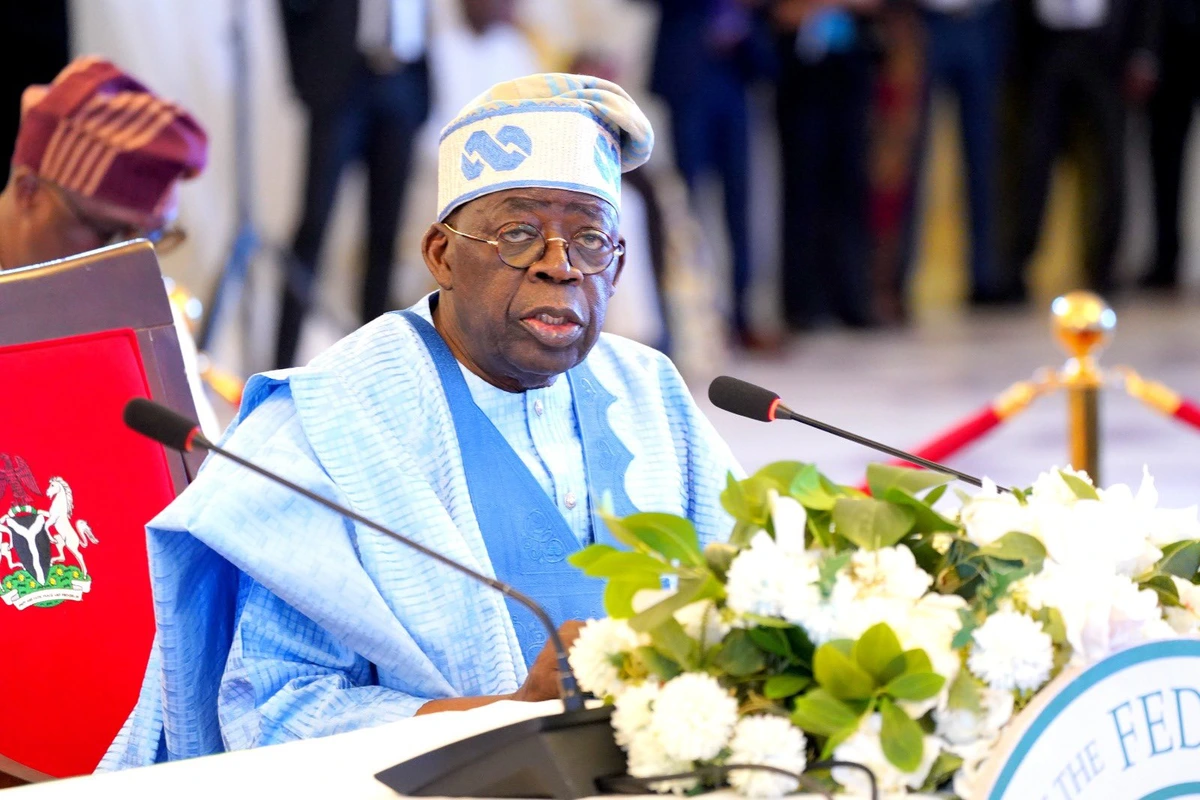
President Bola Tinubu has approved the disbursement of the Cabotage Vessel Financing Fund (CVFF), more than two decades after the fund was established without being accessed by Nigerian shipowners.
The Minister of Marine and Blue Economy, Dr Adegboyega Oyetola, disclosed this in a statement issued on Sunday by his Special Adviser, Dr Bolaji Akinola, directing the Nigeria Maritime Administration and Safety Agency (NIMASA) and 12 Primary Lending Institutions (PLIs) to fast-track the disbursement process.
The directive is expected to accelerate access to the fund and provide financing for Nigerian shipowners seeking to expand their participation in the maritime sector.
What Oyetola is saying
Oyetola said the move is expected to unlock investment, expand indigenous participation in coastal and offshore shipping and create jobs across Nigeria’s maritime sector.
Also Read
- The minister said NIMASA had received 92 applications for funding under the CVFF, with 20 applications already submitted to the PLIs and one reviewed and forwarded for final approval.
- He said the move to operationalise the fund marked a major milestone in the Federal Government’s efforts to strengthen indigenous shipping capacity and enable Nigerian shipowners to compete more effectively in the coastal and offshore shipping market.
Oyetola recalled that he directed NIMASA in April 2025 to commence the disbursement of the CVFF, ending years of administrative stagnation surrounding the fund.
He said the process gained further momentum with the launch of the CVFF Application Portal in Lagos on January 22, providing eligible shipowners with a more transparent and structured channel to access the financing.
CVFF to unlock maritime investment
The CVFF had accumulated for more than two decades without being accessed and was designed to provide low-interest, long-term financing for the acquisition of vessels by eligible Nigerian operators.
- Oyetola said the fund would help Nigerian shipowners acquire vessels, compete for coastal shipping contracts and reduce the country’s dependence on foreign-owned vessels.
- The minister projected that the initiative could generate more than 30,000 direct and indirect jobs in shipyards, marine engineering firms and maritime logistics companies.
- Oyetola said the number of Primary Lending Institutions participating in the CVFF financing process was increased from five to 12.
He said the expansion was intended to widen access to the fund and reduce bottlenecks associated with loan processing.
Get up to speed
The latest authorisation is the most recent step in a long-running effort to get the CVFF disbursed to indigenous shipowners.
In December 2019, the Federal Government announced that indigenous shipowners would begin accessing the fund in January 2020 after then-President Muhammadu Buhari approved its disbursement. At the time, the fund was reported to have accumulated to N44.64 billion.
In May 2023, the House of Representatives ordered the suspension of the planned rollout of the fund, citing concerns over the lack of reliable information on how much had accumulated since its establishment and the absence of clear records of beneficiaries.
A month later, in June 2023, the House approved the disbursement of the then-estimated $360 million CVFF to qualified Nigerian shipowners after investigating the fund.
In April 2025, NIMASA announced plans to commence disbursement of the fund, then estimated at $700 million, and said the number of Primary Lending Institutions had been increased from five to 12.
The latest authorisation by President Tinubu marks another attempt to move the CVFF from years of accumulated funds and administrative delays to actual financing for Nigeria’s indigenous shipping industry.
What you should know
NIMASA has also been involved in efforts to improve Nigeria’s standing in international maritime operations and strengthen the country’s compliance with global shipping standards.
In August 2026, the United States lifted a 12-year Condition of Entry imposed on Nigerian vessels arriving at US ports. The restriction, introduced by the US Coast Guard in June 2014, followed concerns over Nigeria’s compliance with international maritime security standards at some of its port facilities.
The lifting of the restriction is expected to reduce additional security-related requirements and costs for vessels operating between Nigeria and the United States, while improving vessel turnaround and schedule reliability.