Follow Us on Google Discover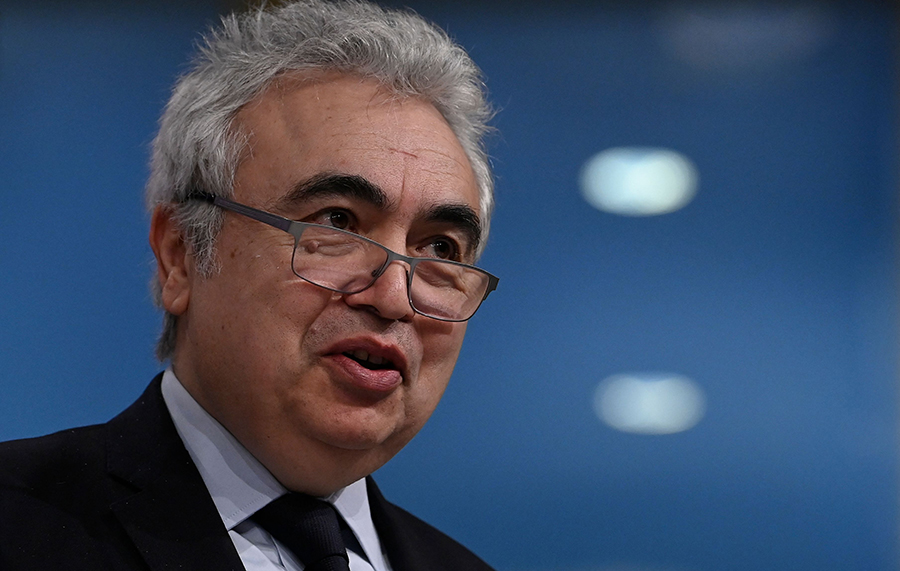
Nigeria could double the level of investment flowing into its energy sector within the next five years, according to the Executive Director of the International Energy Agency (IEA), Fatih Birol.
According to Reuters, Birol made the projection on Thursday during a visit to Abuja, where he said Nigeria’s recent admission as an associate member of the Paris-based energy watchdog could help attract more capital, deepen technical cooperation and strengthen the country’s role in global energy policy discussions.
His comments come less than a month after the Governing Board of the International Energy Agency unanimously approved Nigeria’s admission into the IEA family as an Association country, marking a major expansion of the agency’s cooperation with Africa’s most populous nation and one of its biggest energy producers.
What they are saying
Nigeria is seeking to nearly double its crude oil production to 3 million barrels per day by 2030, a target that will depend heavily on sustained reforms, improved infrastructure, stronger security and efforts to curb oil theft.
The country is also seeking to attract fresh capital after years of underinvestment across its oil and gas industry, while expanding opportunities in renewable energy, particularly solar power.
Birol said his ambition was to see investment flowing into Nigeria’s energy sector rise significantly following the country’s closer cooperation with the IEA.
- “My goal is, in a very short period of time, in five years, at least doubling the energy investments Nigeria is receiving today,” Birol said.
According to the IEA chief, Nigeria’s vast energy resources and changing global energy trade patterns could make the country increasingly attractive to governments and private investors searching for dependable energy partners.
Birol said trust had become one of the most important considerations shaping global energy relationships amid disruptions caused by geopolitical conflicts and instability along major supply routes.
- “The most scarce commodity is not oil, not gas, not uranium, not lithium. It is trust. Countries are looking for partners they can rely on,” he said.
He described Nigeria as a credible energy supplier, noting that exports from the Dangote refinery had helped ease fuel supply pressures in Europe in recent months.
Get up to speed
On July 2, the International Energy Agency announced that its Governing Board had unanimously approved Nigeria’s entry into the organisation as an Association country.
- The decision expanded the IEA’s cooperation with Nigeria and marked a significant development in the country’s participation in global energy governance.
- Responding to Nigeria’s admission at the time, IEA Executive Director Fatih Birol said deeper cooperation would support both Nigeria’s domestic energy ambitions and the agency’s broader engagement with the country.The
The development came as Nigeria’s position as a global energy supplier was gaining momentum, with refined petroleum exports to Europe surging about 767% to 130,000 barrels per day in the second quarter of 2026, from 15,000 b/d in 2023, according to the U.S. Energy Information Administration, citing Vortexa data. The increase was driven largely by rising output from the Dangote refinery.What you should know
International Energy Agency is a Paris-based intergovernmental organisation that works with governments on energy security, energy policy, market analysis and the transition towards cleaner and more sustainable energy systems. Nigeria has stepped up efforts in recent months to attract fresh investment into its energy sector through regulatory reforms and new offshore oil and gas projects. Meanwhile, ExxonMobil and its partners committed $1 billion to the Usan Infill Project in Nigeria’s offshore oil sector in July, with the project expected to increase the country’s crude oil production by about 40,000 barrels per day.