Follow Us on Google Discover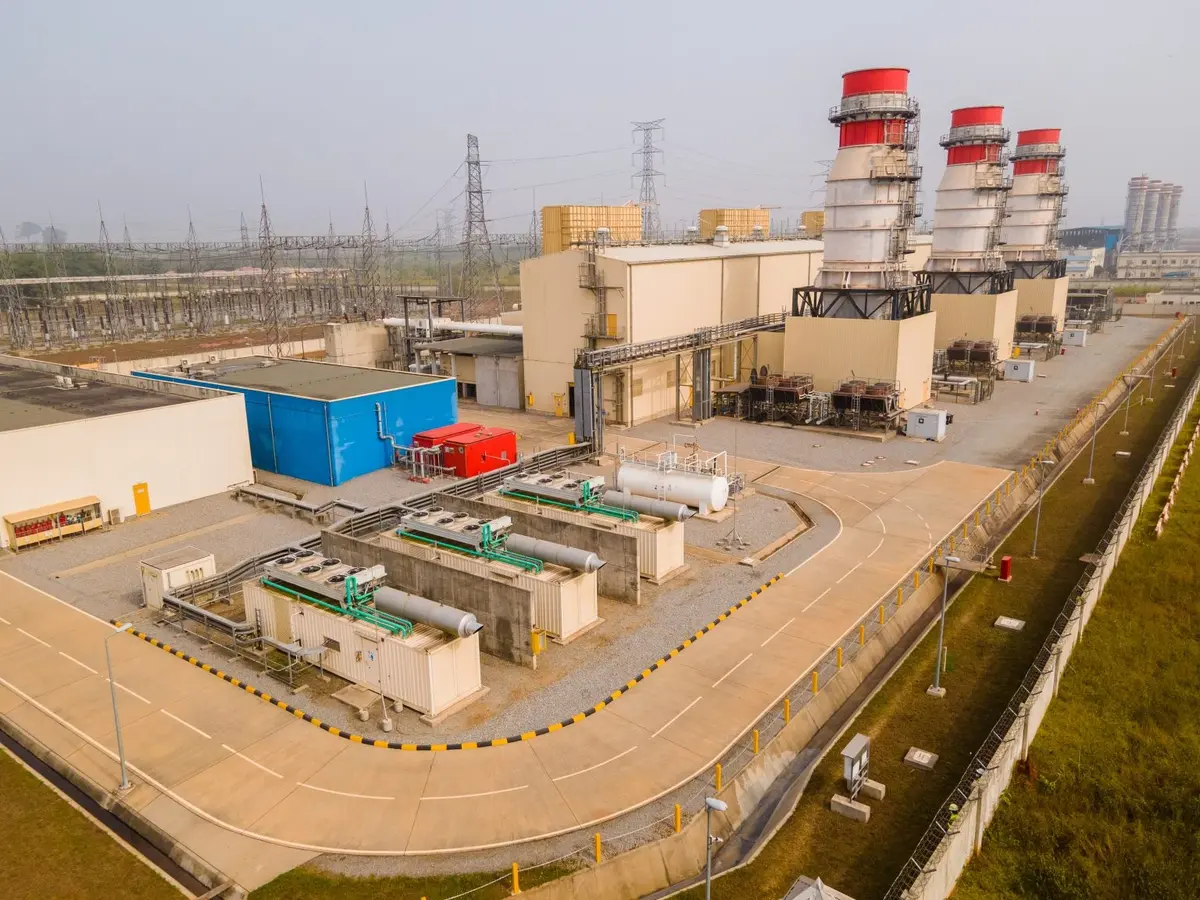
UAE-based energy infrastructure platform ePointZero is set to enter Africa’s power generation market after agreeing to acquire a 90% stake in pan-African independent power producer Azura Power.
The proposed acquisition was disclosed by ePointZero, a subsidiary of Abu Dhabi-based 2PointZero Group, in a statement issued on August 31, 2026, announcing the company’s expansion into Africa’s energy infrastructure market.
Azura Power currently operates more than 750 megawatts (MW) of generation capacity and has a development pipeline exceeding 1.5 gigawatts (GW), which could more than double its operating capacity in the coming years.
The company operates power generation assets in Nigeria, Senegal and Mozambique, supplying around 10% of grid baseload power in each of the markets where it operates.
What they are saying
Under the transaction, ePointZero partnered with Amaya Capital to establish an acquisition vehicle that will acquire the stakes held by Actis and Africa50 in Azura Power.
Amaya Capital, which founded Azura Power in 2010, will retain a 10% minority stake in the company, while completion of the transaction remains subject to regulatory approvals and other customary closing conditions.
Commenting on the transaction, Sheikh Zayed bin Hamdan bin Zayed Al Nahyan, Chairman of 2PointZero, said the investment reflects the group’s strategy of deploying long-term capital into critical infrastructure across Africa.
- “Reliable power is fundamental to economic growth, industrial development and long-term prosperity,” he said. “This investment through ePointZero reflects our commitment to deploying long-term capital into critical infrastructure that can support that growth in key markets across Africa.”
Mohamed Hesham, CEO of ePointZero, said Azura Power’s operating assets, experienced management team and position in markets with significant long-term electricity needs made the company an attractive investment.
- “Azura Power brings together many of the qualities we look for in an energy platform: critical operating assets, an experienced management team and a strong position in markets with significant long-term power needs,” Hesham said.
More insights
ePointZero’s acquisition comes as Africa faces a widening need for electricity infrastructure, driven by population growth, urbanisation, industrialisation and expanding demand from households and businesses.
The International Energy Agency projects that electricity demand across Africa will continue to rise rapidly, with demand expected to grow by an average of about 3.9% annually between 2026 and 2030. The agency said population growth, urbanisation, industrial activity and efforts to expand electricity access are expected to drive the increase.
The longer-term opportunity is even larger. The IEA has projected that Africa’s electricity demand could more than double by 2040, requiring a significant expansion in generation capacity, transmission networks and distribution infrastructure.
Also, the investment comes as Nigeria’s electricity, gas, steam and air-conditioning supply sector contracted for the second consecutive quarter in 2026.
According to the latest Gross Domestic Product report released by the National Bureau of Statistics, the sector shrank by 10.63% year-on-year in real terms in the second quarter of 2026.
What you should know
Nigeria has introduced several reforms aimed at attracting private investment and restructuring the electricity market.
President Bola Ahmed Tinubu signed the Electricity Act 2023 into law in June 2023, replacing the Electric Power Sector Reform Act of 2005 and creating a new framework for the post-privatisation electricity industry.
- A major feature of the legislation was the decentralisation of the electricity market, allowing state governments and private participants to play a greater role in electricity generation, transmission and distribution.
- In March 2026, the Federal Government said its power sector reforms had attracted more than $2 billion in fresh investment, while inherited liabilities managed through the Nigeria Electricity Liability Management Company were reduced to about N146 billion. The government also said 16 state electricity markets had been activated as part of efforts to deepen competition and decentralise the sector.
The government further reported that generation capacity had increased from 13GW to 14GW, while the country recorded a peak generation of 5,801.44MW. However, the gap between available generation capacity and the electricity ultimately delivered to homes and businesses remains a major challenge.