Follow Us on Google Discover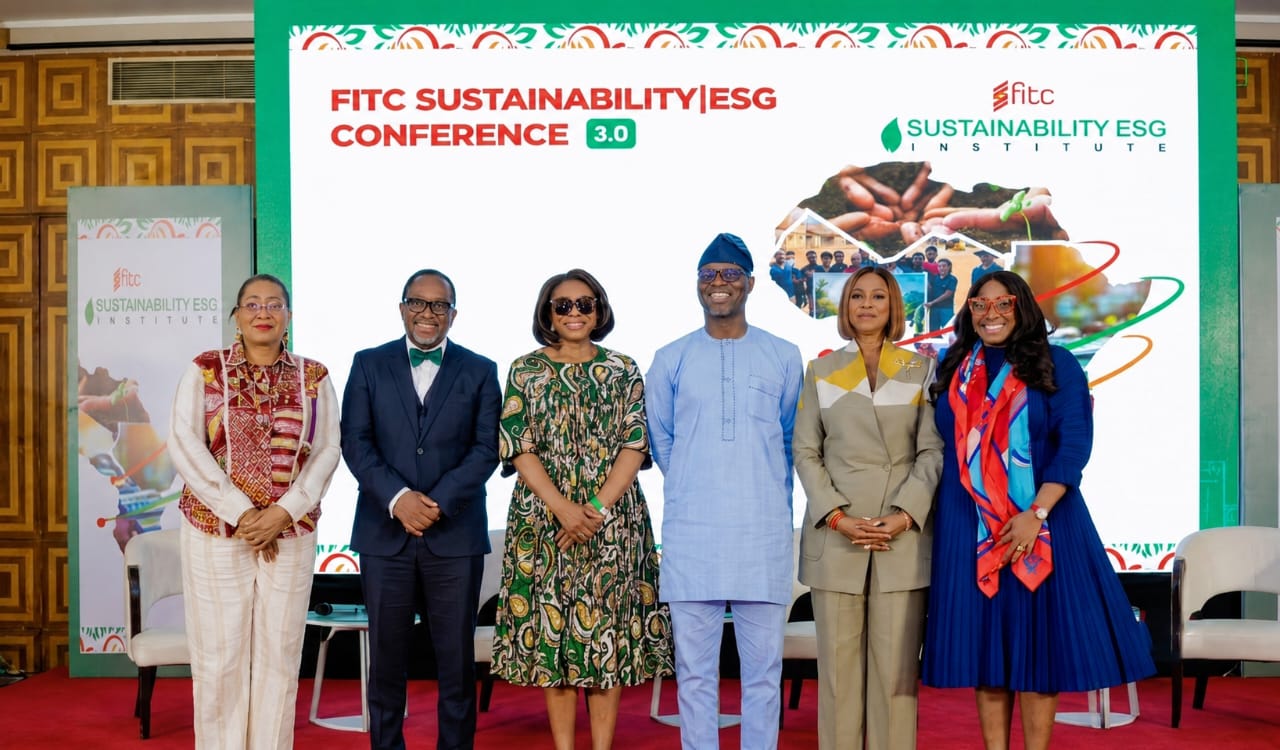
The urgent need for Africa to transform sustainability commitments into measurable action took centre stage as business leaders, policymakers, regulators, investors, development finance institutions, academics and sustainability practitioners converged at the FITC Sustainability & ESG Conference 2026, reaffirming that Sustainability and Environmental, Social and Governance (ESG) principles are no longer optional corporate initiatives but strategic imperatives for building resilient economies, trusted institutions and shared prosperity across the African continent.
Convened by FITC under the theme, “Building a Sustainable Africa: Integrating Environmental Stewardship, Social Impact, and Strong Governance for a Prosperous Future,” the Conference brought together an exceptional assembly of public and private sector leaders to examine how Africa can leverage Sustainability and ESG as catalysts for economic transformation, investment attractiveness, institutional resilience and inclusive development.
Welcoming participants, Dr. Chizor Malize, Managing Director/Chief Executive Officer, FITC and the Convener, FITC Sustainability & ESG Conference, described the gathering as more than an annual conference. She said it represented a strategic platform for shaping Africa’s sustainability agenda at a time when climate change, social inequality, governance expectations and shifting investment priorities are redefining the global economy.
Also Read
She echoed that “Sustainability and ESG have evolved from corporate responsibility initiatives to strategic drivers of competitiveness, resilience and long-term value creation”.
According to her, organizations and nations that successfully integrate environmental stewardship, social investment and strong governance into their decision-making will be better positioned to attract investment, manage risk, strengthen institutions and create sustainable prosperity.
Dr. Malize challenged leaders across government, business, finance and development institutions to move beyond dialogue towards practical implementation. According to her, “Africa’s future will be determined not by the magnitude of its challenges but by the quality of leadership and the decisions made today”.
She reaffirmed FITC’s commitment to serving as a leading platform for thought leadership, executive capacity development and cross-sector collaboration in advancing Africa’s Sustainability and ESG agenda.
Delivering the Opening Address, Professor Fabian Ajogwu, SAN, Chairman of the Advisory Board of the FITC Sustainability & ESG Institute, called for urgent and coordinated climate action, describing environmental stewardship as one of the defining leadership responsibilities of this generation.
He observed that climate change is no longer solely an environmental concern but a strategic economic issue with profound implications for businesses, governments and societies. According to him, “leaders must embed sustainability into corporate strategy, institutional governance and national development planning”.
He emphasized that “protecting Africa’s natural capital is fundamental to securing long-term economic resilience and prosperity”.
Representing Mr. Philip Ikeazor, the Deputy Governor of the Central Bank of Nigeria, on Economic Policy, Mr. Mike Ononugbo highlighted the critical role of sustainable finance in accelerating Africa’s transition to a low-carbon and climate-resilient economy.
He described environmental stewardship as essential for protecting Africa’s natural resources while sustaining economic growth across the continent. In his remark, “initiatives such as the Africa Carbon Market Initiative and the Green Climate Fund, can bridge the significant financing gaps that continue to constrain Africa’s climate ambitions.”
According to him, “green finance provides an important mechanism for directing investment towards renewable energy, climate-resilient infrastructure, low-carbon technologies and environmentally sustainable enterprises”. He identified green bonds, sustainability-linked loans and green equity as critical financial instruments capable of mobilizing the capital required to accelerate Africa’s green transition and strengthen long-term economic resilience.
A key intellectual centerpiece of the Conference was the keynote address delivered by Mrs. Mosun Belo-Olusoga, Chairman of the MTN Foundation, who challenged leaders to reposition Sustainability and ESG as Africa’s blueprint for long-term prosperity.
She observed that the continent’s future competitiveness will depend not merely on its natural resources but on the strength of its institutions, the quality of its leadership and its ability to create lasting value for people, communities and future generations. She called for a new leadership paradigm anchored on integrity, accountability, innovation and long-term thinking, emphasizing that organisations embracing Sustainability and ESG as strategic disciplines will be better positioned to attract investment, build trust and remain competitive in a rapidly changing global economy.
According to Mrs. Belo-Olusoga; “Africa’s youthful population, entrepreneurial energy, natural resource endowment and growing digital economy present an unprecedented opportunity to build an inclusive and sustainable growth model capable of delivering prosperity for all”.
Delivering a special address, Dr. Emomotimi Agama, the Director-General of the Securities and Exchange Commission (SEC), underscored the growing importance of sustainability disclosures in today’s investment environment. He warned that Nigerian companies that fail to strengthen their Environmental, Social and Governance disclosures risk missing significant global capital flows as investors increasingly prioritize transparency, responsible governance and sustainable business practices.
He noted that ESG reporting has become a strategic business imperative rather than a compliance obligation, providing investors with greater confidence in corporate governance, risk management and long-term value creation. According to him, strengthening sustainability disclosures will not only improve market integrity but also enhance Nigeria’s competitiveness as a destination for responsible investment.
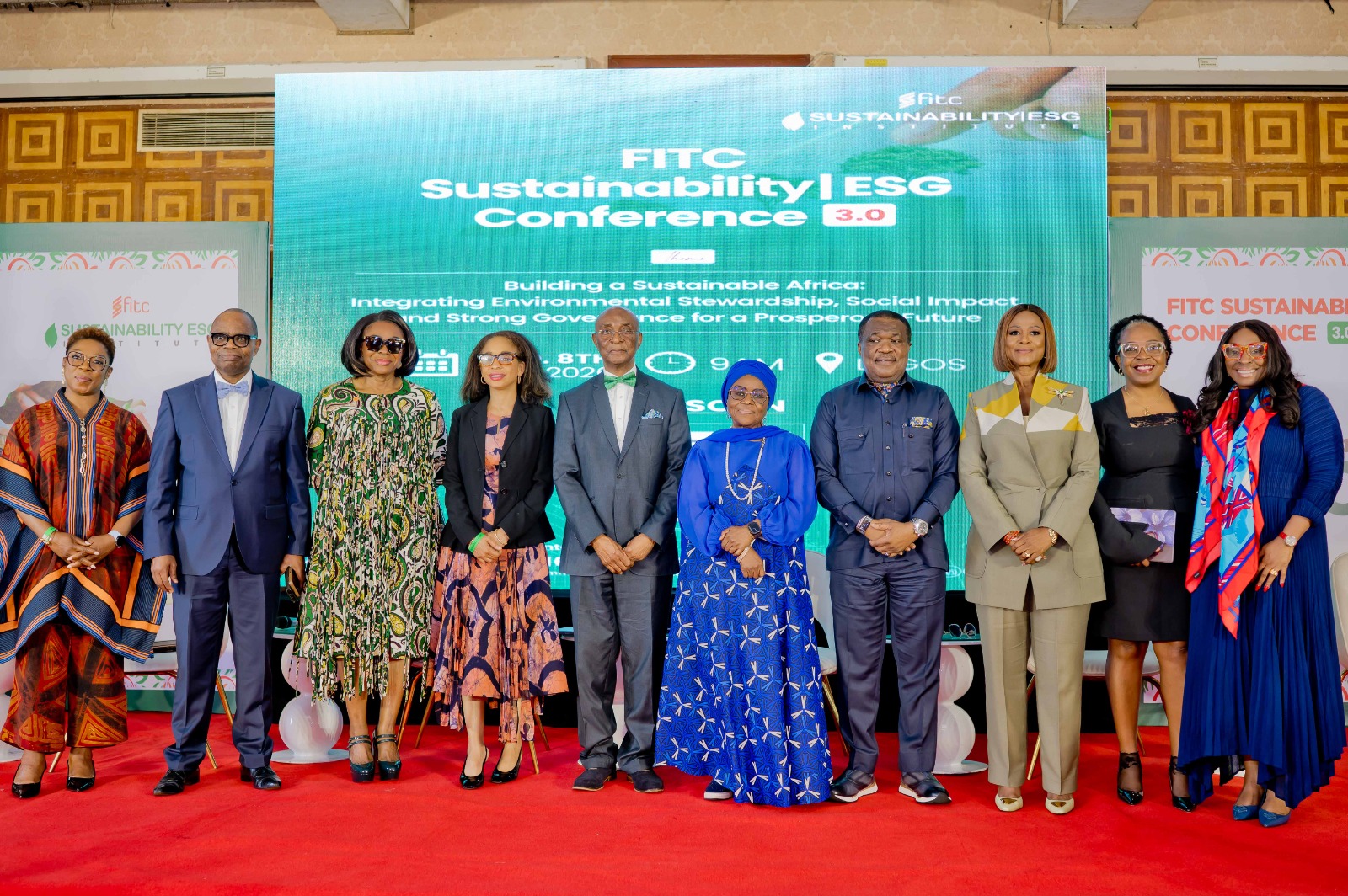
A major highlight of the Conference was the flagship Titan Plenary themed, “From Commitment to Action: Building a Sustainable Africa Through Leadership, Investment and Accountability”.
The plenary featured Sustainability and Governance TITANS the included Mosun Belo-Olusoga, Otunba Bimbo Ashiru, Victoria Uwadoka, Prof. Chris Ogbechie, Dr. Ndidi Okonkwo Nwuneli and Dr. Chizor Malize who Moderated the session. These distinguished leaders from business, academia, social development and sustainability practice, explored the practical leadership decisions required to translate sustainability ambitions into measurable outcomes.
The discussions converged around key strategic imperatives considered essential to Africa’s sustainable development journey. These include embedding Sustainability and ESG into corporate strategy and governance; investing deliberately in people, communities and human capital; mobilizing sustainable finance and indigenous capital; strengthening institutions through trust, accountability and responsible leadership; and scaling partnerships, innovation and technology to accelerate sustainable impact across the continent.
The plenary speakers affirmed that Africa’s greatest challenge is no longer a lack of ideas or policy frameworks, but the ability to execute consistently, collaborate effectively and hold institutions accountable for measurable progress.
The Governance Plenary, which came next, established that strong governance remains the cornerstone of sustainable development. The discussion on this plenary was led by Mrs. Bola Tinubu, Country Managing Partner, DLA Piper Africa. She was joined by Ije Jidenma, Dr. Nosike Agokei and Chimdi Onwudiegwu; the session was moderated by Tinuade Awe. The plenary explored the importance of ethical leadership, board effectiveness, institutional transparency, accountability and regulatory certainty in creating environments where businesses can thrive, investors can commit capital with confidence and citizens can place greater trust in public and private institutions. It was established that ESG should no longer be viewed solely through the lens of compliance but recognized as a strategic lever for competitiveness, resilience and long-term value creation.
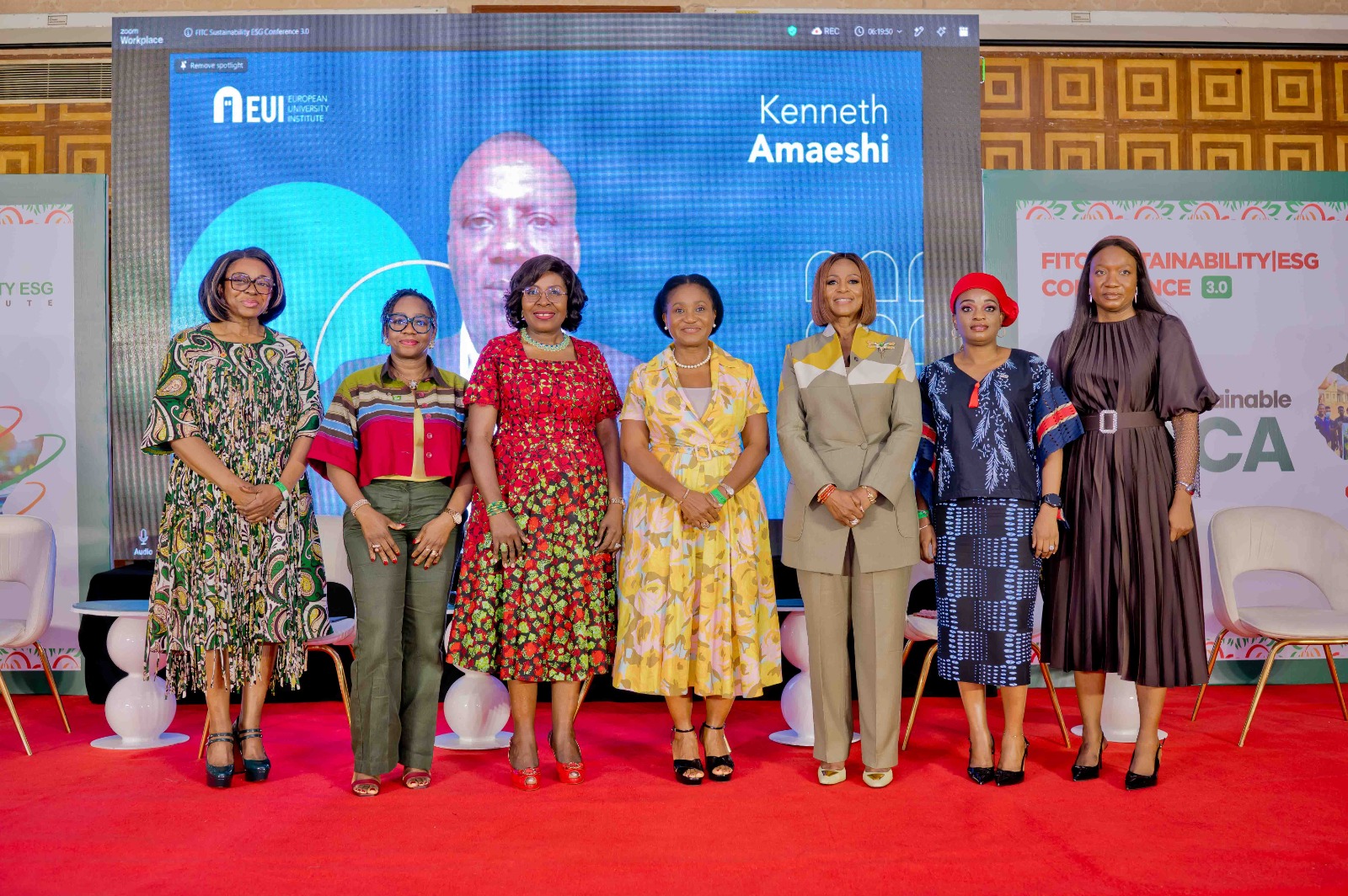
The Environmental Stewardship Plenary reinforced the message that environmental sustainability can become one of Africa’s greatest economic opportunities. Moderating the discussion was Ayotola Jagun. She was joined by Chinyere Almona, Titi Oshodi, Titilope Oguntuga, Prof. Kenneth Amaeshi and Tonna Ezema, the Discussions highlighted the enormous potential of renewable energy, sustainable agriculture, green industrialization, biodiversity conservation, climate-smart infrastructure and circular economy models to generate employment, strengthen resilience and position Africa competitively within the emerging green economy.
There was a call for stronger climate policies, expanded investment in green infrastructure and greater collaboration to unlock climate finance while safeguarding the continent’s rich natural capital for future generations.
The Social Investment Plenary shifted attention to Africa’s most valuable resource, its people. The session was Moderated by Dr. James Adenuga, other speakers include Serah Makka, Peju Ibekwe, Sandra Vermuijten-Alonge and Chinwe Ifechiga. These notable Speakers emphasized that sustainable development cannot be achieved without strategic investment in education, healthcare, youth empowerment, financial inclusion, women’s economic participation and digital transformation. Moving beyond traditional corporate philanthropy, there was advocacy for measurable social investments that simultaneously strengthen communities.
Contributing to the discussion, Mrs. Chinwe Ifechigha, Social Performance Manager, TotalEnergies, highlighted the critical role of social performance in creating sustainable value for businesses and society.
According to her, “organizations that embed social performance into their core business strategy are better positioned to manage social risks, strengthen community relationships and deliver long-term, inclusive impact”. She stressed that sustainability is most effective when communities are not merely beneficiaries of development initiatives but active partners in shaping and sustaining them.
Across all sessions at the conference, a clear consensus emerged: Sustainability and ESG have fundamentally evolved. They are no longer mere societal programmes, reporting obligations or corporate philanthropy initiatives. They have become leadership frameworks for managing risk, attracting investment, strengthening governance, fostering innovation, protecting natural resources and creating enduring value for society.
The Conference concluded with a collective call for governments, businesses, regulators, investors, academia and development institutions to work together in embedding Sustainability and ESG into national development strategies, corporate governance frameworks, investment decisions and organisational culture. Participants agreed that achieving a prosperous and sustainable Africa will require stronger institutions, greater accountability, innovative financing, responsible leadership and unprecedented collaboration across sectors.
Speaking on the conference deliberations, Professor of Entrepreneurship at Lagos Business School and Advisory Board member of FITC Sustainability & ESG Institute, Henrietta Onwuegbuzie shared, “There is a conviction that Africa stands at a defining moment in its development journey. The continent’s future will not be determined by the challenges it faces, but by the choices its leaders make, the institutions they build and the partnerships they forge, African leaders must rise to the challenge” she echoed.
In her closing remarks, the Chairman of the Conference Planning Committee and Executive Director, Oando Plc, Ms. Ayotola Jagun, expressed profound appreciation to the distinguished speakers, panelists, delegates, sponsors, partners and members of the Planning Committee for their invaluable contributions to the success of the Conference. She described the Conference as a powerful demonstration of what can be achieved when leaders from business, government, regulatory institutions, academia and the development community unite behind a common vision for Africa’s future.
The FITC Sustainability & ESG Conference 2026 closed with a powerful message: Building a Sustainable Africa is no longer an aspiration for the future, it is a leadership imperative for today. Through environmental stewardship, strategic social investment and strong governance, Africa can unlock resilient growth, attract responsible investment, strengthen institutions and secure lasting prosperity for generations to come.
Reaffirming its commitment to shaping Africa’s sustainability agenda, FITC pledged to continue providing thought leadership, executive education, policy dialogue and capacity-building initiatives that support institutions in navigating the evolving Sustainability and ESG landscape.