Follow Us on Google Discover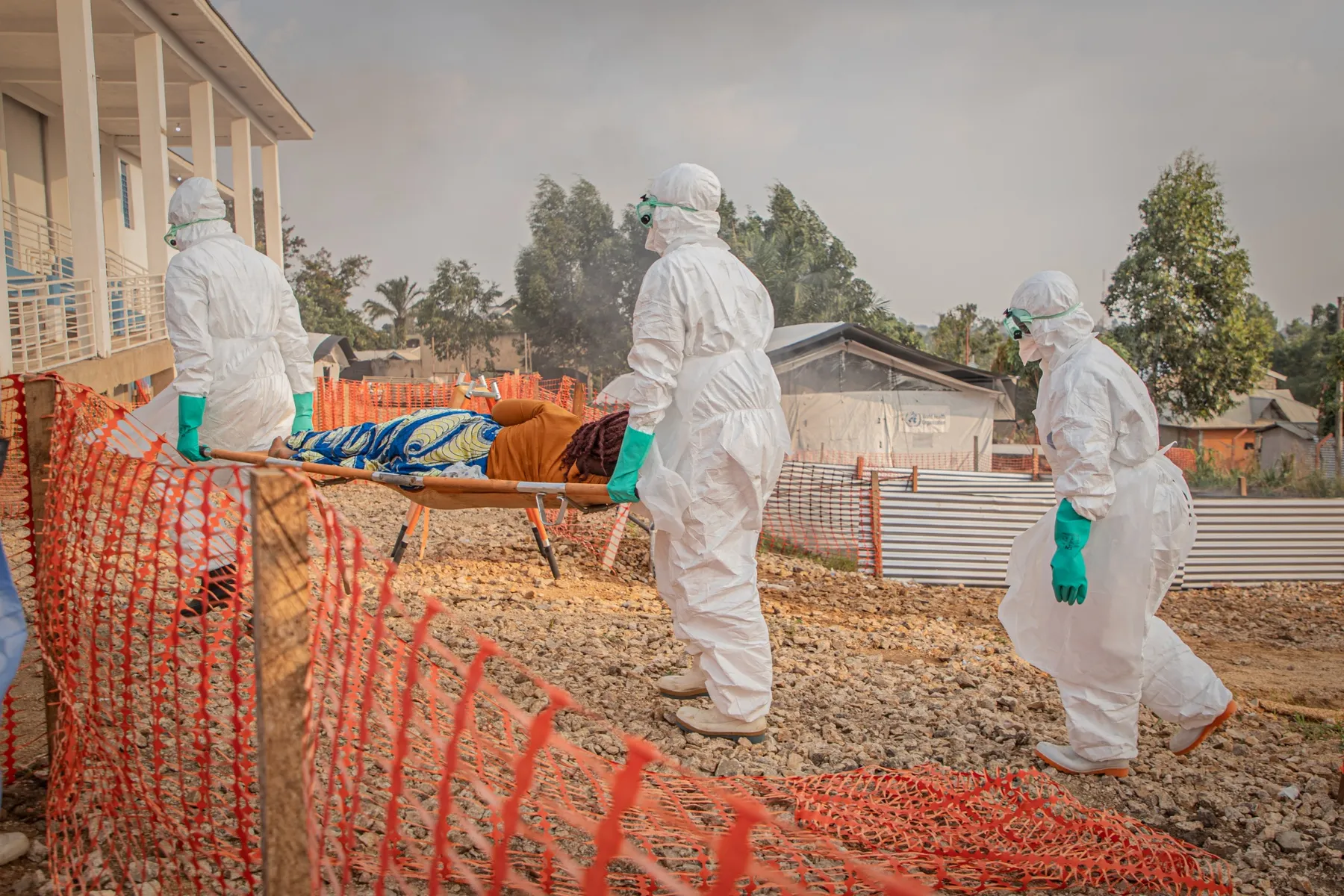
Deaths from the ongoing Ebola outbreak in the Democratic Republic of Congo (DRC) have doubled in just over two weeks, with confirmed infections climbing past 2,000, highlighting the rapid spread of what the World Health Organization (WHO) describes as its fastest-growing Ebola outbreak.
The latest figures were disclosed on Tuesday by the DRC’s National Institute of Public Health, which reported 754 confirmed deaths and 2,011 confirmed cases.
The update comes as health authorities continue to battle the spread of the Bundibugyo strain of the Ebola virus, with the outbreak now extending into two additional provinces beyond its original epicentre in Ituri.
In early July, Nairametrics reported that a new clinical trial aimed at improving treatment for the rare but deadly Bundibugyo strain had commenced, amid growing concerns over the outbreak.
The trial is particularly significant because there is currently no approved vaccine or specific treatment for the Bundibugyo variant of Ebola.
What they are saying
Despite the sharp rise in confirmed cases and fatalities, health experts believe the actual scale of the outbreak is significantly larger than official figures suggest, raising concerns that many infections remain undetected within communities.
According to Chikwe Ihekweazu, Executive Director of the WHO Health Emergencies Programme, the true number of infections could be between two and four times higher than reported, largely because about 80% of newly identified cases are emerging outside the contact lists being monitored by health officials.
- “You have to imagine that this is a fire,” Ihekweazu said. “We’ve seen the fastest growth in a single month since the outbreak started and of all the Ebola outbreaks that we have managed.”
WHO also noted that the outbreak has become increasingly deadly, with the case fatality rate rising to 37% from 32% recorded a week earlier. The agency attributed the increase not to a more severe form of the virus, but to continued delays in detecting infections, isolating patients and providing timely medical care. An analysis of 430 confirmed deaths showed that approximately 92% of patients died before reaching treatment centres.
- “We must find the cases earlier, bring them into care as soon as possible so that we reduce transmission in the community,” Ihekweazu said. “The more cases stay in the community, the more they transmit, the more we stay behind the curve.”
Get up to speed
The outbreak has continued to raise international concern as infections have also been recorded among foreign humanitarian workers operating in the DRC.
- Last week, the U.S. Centers for Disease Control and Prevention (CDC) confirmed that an American humanitarian worker contracted the Bundibugyo strain while working in the DRC. The agency also referenced an earlier case involving Dr. Peter Stafford, another American aid worker with the Serge Christian mission organisation, who was infected with Ebola and evacuated to Germany for specialist treatment in May.
- In response to the deteriorating health situation, the U.S. government has temporarily restricted official travel by American citizens in the DRC, citing the worsening Ebola outbreak and the growing risk of transmission.
Separately, German authorities confirmed on Monday that another infected American patient had been transferred from the DRC to Frankfurt University Hospital to receive specialised medical treatment.
What you should know
While the newly launched clinical trial offers hope for improving treatment outcomes for patients infected with the Bundibugyo strain, it remains uncertain how quickly researchers can develop an effective vaccine or targeted therapy for the virus.
- Beyond the public health emergency, international organisations have warned that the outbreak could inflict significant economic damage across Africa if it spreads further.
- The United Nations estimates that, if the outbreak remains largely contained within the DRC and neighbouring Uganda, the DRC alone could lose about $1 billion in gross domestic product (GDP).
However, the agency cautioned that the economic consequences could escalate substantially if Ebola spreads into additional countries.
Under a worst-case scenario involving transmission into neighbouring countries such as Rwanda and Angola, alongside elevated global fuel prices driven by geopolitical tensions in the Middle East, Africa could lose up to $3.6 billion in economic output, while more than 328,000 jobs could be wiped out across the continent.