Follow Us on Google Discover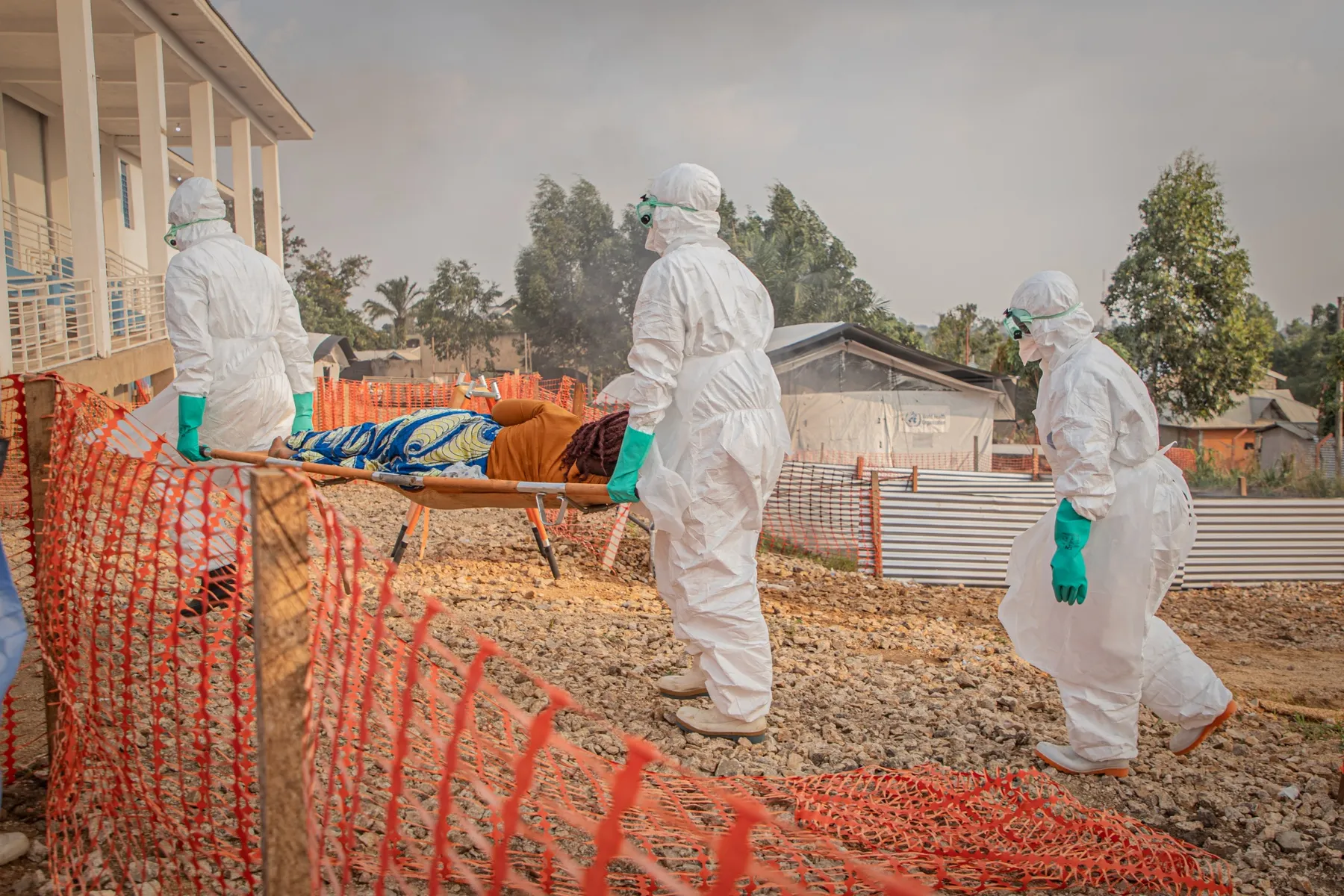
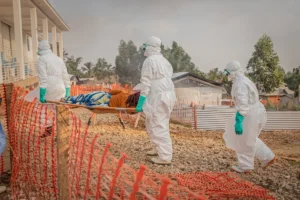
Patients infected with the Bundibugyo strain of Ebola have begun receiving experimental treatments in a new clinical trial aimed at improving care for the rare but deadly virus, as the outbreak in the Democratic Republic of Congo (DRC) has claimed 506 lives.
Bloomberg reported the development, noting that the trial is being sponsored by the World Health Organization (WHO) in collaboration with national health authorities and international scientific partners.
The trial comes as health authorities seek effective treatments for the Bundibugyo strain, which currently has no approved vaccine or specific treatment, despite becoming the largest recorded outbreak caused by the virus.
What they are saying
The WHO-sponsored study will evaluate two experimental therapies—Mapp Biopharmaceutical’s monoclonal antibody treatment MBP134 and Gilead Sciences’ antiviral drug remdesivir—alongside enhanced supportive care for patients in Ituri Province, the epicentre of the outbreak.
Also Read
The trial has been designed as an adaptive platform study, allowing researchers to continue enrolling patients in future Ebola outbreaks if the current epidemic ends before enough participants are recruited to produce conclusive findings.
Commenting on the initiative, WHO Director-General Tedros Adhanom Ghebreyesus said the trial was established in record time through collaboration with Congolese authorities and scientific partners.
- “The Partners trial… offers real hope that we can deliver concrete results for — and with — the communities at the heart of the outbreak.”
More insights
The study is expected to recruit several hundred patients over time and will assess whether the experimental treatments reduce deaths within 28 days of enrollment.
Participants will be randomly assigned to receive MBP134, remdesivir, a combination of both therapies, or optimized supportive care alone.
- Researchers will also monitor how quickly patients clear the virus, changes in viral load, organ function and outcomes among pregnant women through childbirth.
- Unlike many previous outbreak studies, the trial includes children, pregnant women and breastfeeding women, groups that have historically been excluded from clinical research despite facing some of the highest risks of severe disease and death.
The study is coordinated by the University of Oxford, sponsored by the World Health Organization, and led nationally by Congolese physician-scientist Placide Mbala Kingebeni.
What you should know
The Democratic Republic of Congo announced on Sunday that the Bundibugyo Ebola outbreak had reached 1,561 confirmed cases, including 506 deaths, making it the largest outbreak ever recorded for this strain of the virus.
- Although the number of new daily infections has eased in recent days, transmission remains intense in Ituri Province, where treatment centres continue to face significant pressure.
- Beyond its health impact, international agencies have warned that the outbreak could inflict a heavy economic toll on Africa if it spreads further.
- The United Nations estimates that if the outbreak remains largely contained within the Democratic Republic of Congo and Uganda, it could reduce the DRC’s economic output by about $1 billion.
However, a wider regional spread into neighbouring countries such as Rwanda and Angola, combined with elevated global energy prices, could increase the continent’s economic losses to as much as $3.6 billion while putting an estimated 328,000 jobs at risk across Africa.