Follow Us on Google Discover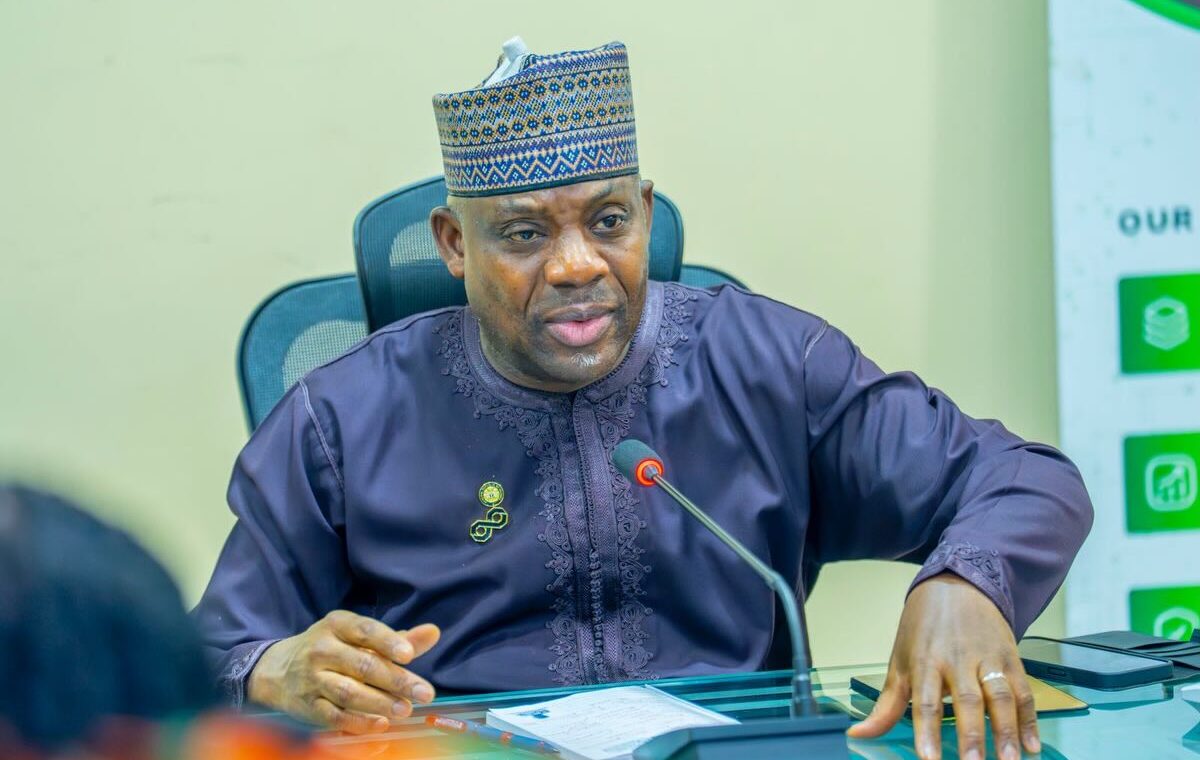
The Federal Government has begun the process of phasing out the policy separating Junior Secondary Schools (JSS) from Senior Secondary Schools (SSS) as part of reforms aimed at improving access to education and learning outcomes across the country.
The disclosure was contained in a statement issued on Tuesday by the Federal Ministry of Education and signed by its Director of Press and Public Relations, Boriowo Folasade, following the inauguration of the Universal Basic Education Commission (UBEC) Ministerial Implementation and Monitoring Committee for Smart Schools, Bilingual Schools and Alternative Schools.
According to the ministry, the proposed policy will address overcrowding in junior secondary schools, underutilised senior secondary facilities and rising school dropout rates.
The proposal will also be presented at the next National Council on Education as part of broader education reforms.
What they are saying
Minister of Education, Dr. Maruf Tunji Alausa, said the Federal Government would phase out the disarticulation policy separating JSS from SSS.
He noted that the arrangement has contributed to overcrowded junior secondary schools while many senior secondary school facilities remain underutilised.
- “The Minister also announced that the Federal Government will phase out the disarticulation policy separating Junior Secondary Schools from Senior Secondary Schools, the arrangement that has contributed to overcrowded junior secondary schools, underutilised senior secondary facilities and increased school dropouts,” the statement read in part.
Alausa added that the proposal forms part of wider reforms aimed at expanding access to education and improving learning outcomes nationwide.
More insights
Speaking during the inauguration of the UBEC Ministerial Implementation and Monitoring Committee in Abuja, Alausa said the committee’s success would be measured by the number of schools that become fully operational and actively educate children.
He added that the committee would work with UBEC, state governments, State Universal Basic Education Boards (SUBEBs) and other stakeholders to ensure effective implementation.
- The committee will oversee the timely completion of projects and the provision of furniture and essential utilities.
- It will support the deployment of teachers, learner enrolment and the full operationalisation of schools.
- The Smart Schools initiative is designed to equip learners with digital skills required for the modern economy.
The Bilingual Schools and Alternative Schools programmes are expected to improve inclusion and expand access to education for vulnerable groups, particularly girls and out-of-school children.
UBEC Executive Secretary, Hajiya Aisha Garba, said 37 Smart Schools have been established nationwide, with 24 already operational.
She added that 30 Bilingual Schools are being implemented across nine participating states under the UBEC-Islamic Development Bank partnership, while the Alternative Schools Programme continues to expand learning opportunities for out-of-school children.
What you should know
Earlier in 2025, Alausa proposed replacing Nigeria’s current 9-3-4 education structure with a 12-4 model, providing 12 years of uninterrupted basic education followed by four years of tertiary education. The proposal was presented at the 2025 Extraordinary National Council on Education meeting in Abuja.
- The minister said the reform would align Nigeria’s education system with global standards and create a more structured learning experience.
- The proposal would replace the current nine years of basic education and three years of senior secondary education with a unified 12-year basic education system.
- The Nigeria Union of Teachers (NUT), at the time, rejected the proposal, arguing that inadequate funding remains the biggest challenge confronting the sector.
NUT President, Mr. Audu Amba, said changing the education structure alone would not address the systemic issues affecting learning outcomes.
The latest proposal to end the separation of JSS and SSS forms part of the Federal Government’s broader effort to reform basic education, although stakeholders have continued to emphasise that increased funding remains essential to improving the sector.