Follow Us on Google Discover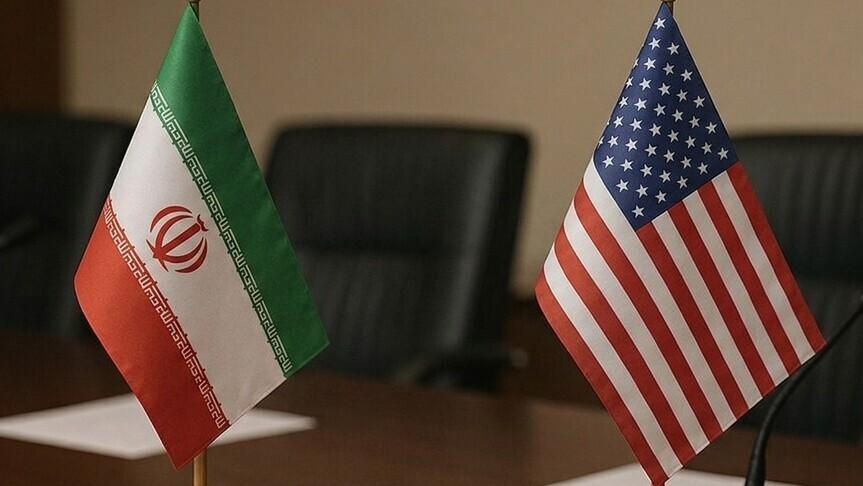
The United States has temporarily lifted sanctions on Iranian oil exports for a 60-day period, marking a significant shift in Washington’s pressure strategy as diplomatic negotiations with Tehran show renewed momentum.
The decision, disclosed on Monday, June 22, was announced by U.S. Treasury Secretary Scott Bessent through an official statement issued by the U.S. Department of the Treasury.
The move comes amid ongoing U.S.-Iran discussions aimed at de-escalating tensions over Iran’s nuclear programme and broader regional security concerns.
The announcement is coming hours after U.S. Vice President JD Vance said talks with Iranian officials in Switzerland had laid a “good foundation” for a final peace deal, signaling cautious optimism from Washington over the direction of negotiations.
Also Read
What they are saying
According to Secretary Bessent, the decision is tied directly to progress made in the Switzerland peace talks and commitments from Tehran on regional stability and nuclear oversight.
He stated that:
- “In line with the ongoing productive talks in Switzerland, Iran has committed to free and open transit in the Strait of Hormuz and to permit International Atomic Energy Agency (IAEA) inspectors into their country.”
The agreement reflects one of the central objectives of the Trump administration’s foreign policy approach toward Iran—preventing the country from acquiring nuclear weapons.
This has been a key driver of prolonged negotiations aimed at ending the conflict that began on February 28, after the United States, alongside Israeli forces, carried out strikes on Iranian targets.
Washington has consistently maintained that any long-term deal must include strict verification mechanisms to ensure Iran’s nuclear programme remains peaceful.
Secretary Bessent further confirmed the economic dimension of the arrangement, stating:
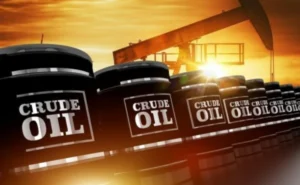
- “As part of the framework, Treasury has issued a temporary 60-day general license authorizing the production, delivery, and sale of Iranian oil.”
The Treasury Department noted that the temporary license effectively allows limited Iranian oil exports to resume under strict conditions, easing enforcement pressure for the duration of the agreement window.
More insights
U.S. sanctions on Iran date back to 1979, following the seizure of the U.S. Embassy in Tehran. Since then, successive administrations and Congress have steadily expanded restrictions targeting Iran’s financial system, energy exports, and access to global markets.
- Iran—holding some of the world’s largest proven oil reserves—has remained heavily dependent on petroleum exports as a major source of national revenue. U.S. sanctions, particularly those expanded from 2010 onward, were designed to restrict Iran’s oil income and pressure its government over nuclear proliferation concerns.
Congressional action has played a major role in shaping these measures, authorising secondary sanctions against foreign firms doing business with Iran’s oil sector and tightening restrictions following Iran’s 2009 post-election crackdown. Over time, sanctions evolved into one of Washington’s primary tools for economic and diplomatic leverage against Tehran.
What you should know
On June 18, it was reported that the United States and Iran had signed an initial peace agreement aimed at ending months of conflict and establishing a framework for further negotiations.
The memorandum of understanding, signed by U.S. President Donald Trump and Iranian President Masoud Pezeshkian, marked the first formal step toward a broader settlement. Under that agreement, the Strait of Hormuz was expected to reopen for international shipping, while the U.S. committed to gradually easing sanctions on Iran.
However, diplomatic engagement remained uneven in the days that followed, with both sides revisiting key terms. The latest development on June 22—following Vice President Vance’s comments that negotiators had built a “good foundation”—signals renewed momentum toward a final framework.
A key component of the emerging deal also includes allowing inspectors from the International Atomic Energy Agency into Iranian nuclear facilities to ensure compliance and prevent any enrichment activities from reaching weapons-grade levels.