Follow Us on Google Discover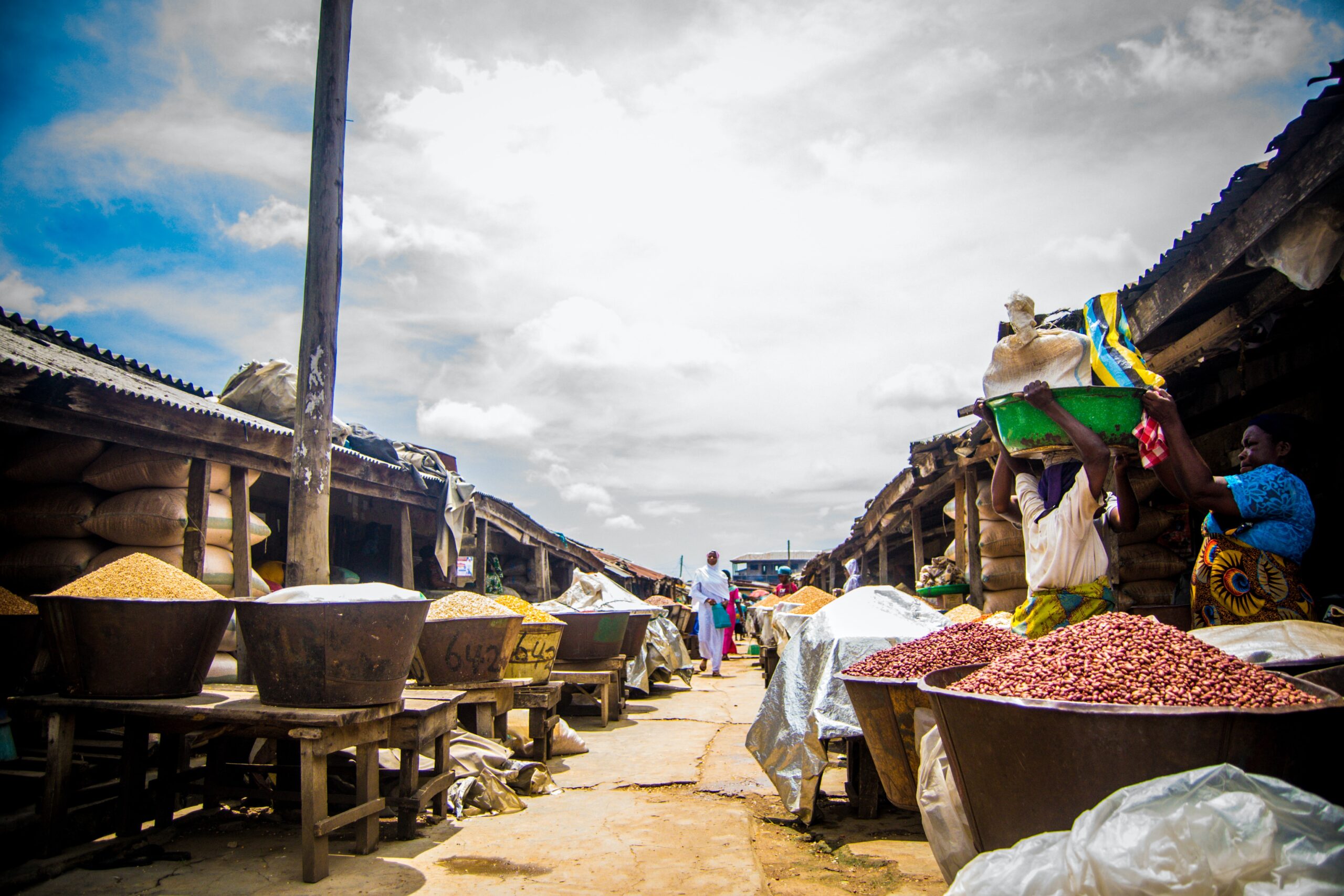
Nigeria’s food inflation rate stayed above the country’s headline inflation rate for the second consecutive month in May 2026, rising to 16.96% compared with the all-item inflation rate of 15.93%.
Analysis by Nairametrics Research, using data compiled by Nairalytics from National Bureau of Statistics (NBS) Consumer Price Index (CPI) reports, showed that food inflation first overtook headline inflation in April 2026 after eight months of staying below the broader inflation rate.
In April 2026, food inflation stood at 16.06%, compared with headline inflation of 15.69%.
By May, the gap widened, with food inflation rising by 0.90 percentage points while headline inflation increased by only 0.24 percentage points.
The NBS attributed the latest increase in food inflation to rising prices of staple products such as onions, maize grains, melon, water yam, cassava flour, crayfish, fresh pepper, tomatoes, wheat grain, cassava tuber, yam tuber, sweet potatoes, ginger, plantain and cowpea.
What the data shows
The latest data show that food prices are now rising faster than the broader basket of goods and services measured by the CPI.
- Food inflation rose from 8.89% in January 2026 to 16.96% in May, representing an increase of 8.07 percentage points. In percentage terms, food inflation increased by about 90.8% within the five-month period.
- By contrast, headline inflation rose from 15.10% in January to 15.93% in May, an increase of 0.83 percentage points, or about 5.5%.
This means the rebound in inflation this year has been driven more by food prices than by general consumer prices.
NBS data showed that food and non-alcoholic beverages contributed 6.38 percentage points to the national headline inflation rate of 15.93% in May 2026, accounting for roughly 40% of total inflation and remaining the largest contributor among all CPI divisions.
The next largest contributor, restaurants and accommodation services, added just 2.06 percentage points, while transport contributed 1.70 percentage points.
Food inflation remains above 17% in 21 states
State-level data also showed that food inflation remained above 17% in 21 states in May 2026, representing 58.3% of Nigeria’s 36 states, or 56.8% when the FCT is included in the 37 jurisdictions covered by the NBS CPI report.
- The states were Adamawa at 29.6%, Kwara at 28.5%, Rivers at 28.4%, Enugu at 27.8%, Bauchi at 25.4%, Plateau at 24.8%, Kaduna at 24.0%, Delta at 23.8%, Ondo at 23.1%, Benue at 22.7%, Oyo at 21.0%, Edo at 20.7%, Kano at 19.6%, Yobe and Zamfara at 19.4% each, Osun at 18.8%, Ebonyi at 18.6%, Jigawa at 18.0%, Abia at 17.7%, Ekiti at 17.2% and Gombe at 17.1%.
This reinforces the uneven nature of food price pressure across the country. The NBS noted that food inflation was highest in Adamawa, Kwara and Rivers, while Borno, Taraba and Bayelsa recorded the slowest increases. It also cautioned that state CPI figures should not be used for direct inter-state comparison because consumption baskets differ across states.
What you should know
Nigeria’s headline inflation rate edged higher to 15.93% in May 2026, up from 15.69% in April, as rising consumer prices continued to exert pressure on households and businesses despite a slower pace of monthly price increases.
According to the latest Consumer Price Index (CPI) report released by the National Bureau of Statistics (NBS), the CPI rose to 140.7 points in May from 138.3 points in April, reflecting sustained inflationary pressures across the economy.
The latest figures showed that while inflation accelerated on an annual basis, the month-on-month rate eased, suggesting a moderation in the pace of price increases.