
 Follow Us on Google Discover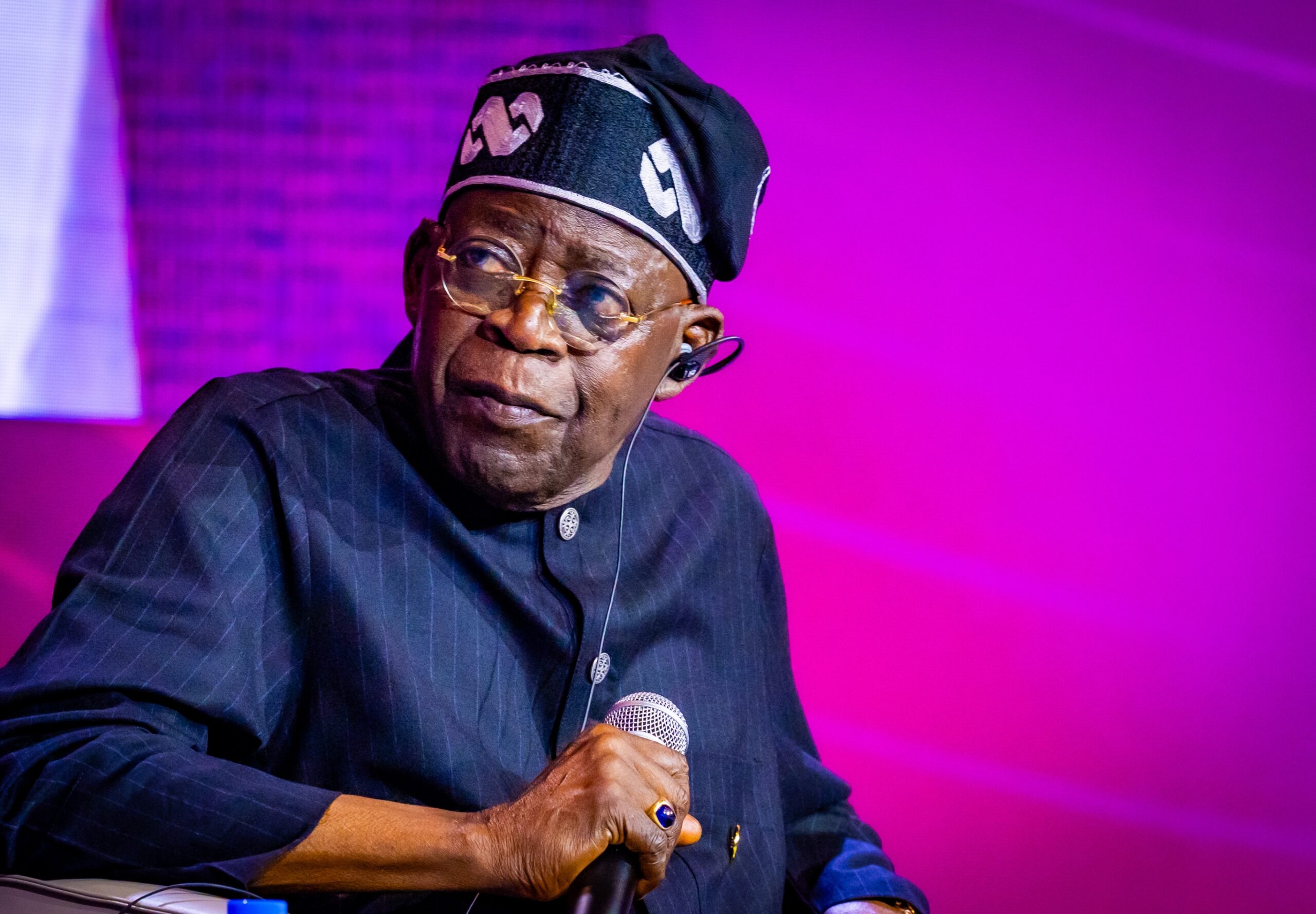
President Bola Ahmed Tinubu’s administration has scored 65.45% over its first three years, according to RTC Advisory, which described the period as marked by bold reforms, macroeconomic stabilization, infrastructure investments, and mixed socioeconomic outcomes.
The assessment, detailed in the report TINUBU’S 3 YEARS IN OFFICE: Reform Gains, Challenges and the Road Ahead, evaluated the administration across seven strategic pillars: Economic Policy & Structural Reforms, Infrastructure, Social Policy, Security, Foreign Policy, Anti-Corruption & Governance, and Industry, Trade & Investment.
While structural macroeconomic distortions are being addressed, the report noted that the benefits have yet to fully translate into broad improvements in living standards.
What the data is saying
The report highlighted the severe macroeconomic challenges Tinubu inherited in May 2023, including large fiscal deficits, an unsustainable fuel subsidy regime, multiple exchange rates, declining foreign investment, and weakening public finances.
- “Subsidy removal saves about N12 trillion annually; FAAC allocations to government doubled from N16.28 trillion in 2023 to N35.81 trillion in 2025; FX unification boosted external reserves from ∼$35 billion to ∼$50 billion between 2023 and 2026; and non-oil revenue grew ∼165% between H1 2023 and H1 2025,” the report said.
Within months, the administration removed fuel subsidies and liberalized the foreign exchange market, steps described as some of the most consequential economic reforms in Nigeria’s post-military era.
These structural adjustments, however, triggered short-term shocks: inflation peaked at ∼34.8% in late 2024, public debt rose from N97.3 trillion to N159.3 trillion between 2023 and 2025, and household purchasing power deteriorated.
Despite these challenges, RTC noted that macroeconomic reforms have begun correcting structural distortions.
More insights
On infrastructure, the report says major projects such as the Lagos–Calabar Coastal Highway and Sokoto–Badagry Highway were launched, alongside railway expansions and housing finance initiatives. The Electricity Act 2023 devolved power sector governance to states, but grid instability and a housing deficit of 28 million units remain pressing concerns.
On Social Policy, RTC says despite expanded cash transfers, student loans, and wage increases, poverty rose to 62.6%, and 15 million children remain out of school. Training programs reached millions, but inflation undermined real wage gains.
For Security and Governance, Security spending nearly doubled, with new deployments and modernized surveillance assets. However, terrorism, banditry, and kidnappings persist.
Anti-corruption efforts yielded over 7,500 convictions and asset recoveries worth billions, though judicial delays and governance inefficiencies slowed progress.
On Foreign Policy and Investment, the report noted that Nigeria’s global standing improved with revived oil sector FDI and trade reforms, including the National Single Window initiative. The Nigeria Tax Act 2025 and Industrial Policy 2025 further boosted investor confidence.
Overall, RTC Advisory’s assessment places Tinubu’s performance at 65.45%, reflecting bold reforms and macroeconomic stabilization but mixed socio-economic outcomes.
The administration’s challenge now lies in converting fiscal and structural gains into tangible improvements in productivity, employment, and welfare.
Social welfare and security
According to the report, social indicators showed mixed outcomes, with some gains in welfare programs but persistent societal challenges.
The administration expanded HoPE-CT cash transfers to ∼9.2 million beneficiaries and launched NELFUND student loans worth N95.6 billion.
Minimum wage rose from N30,000 to N70,000 in 2024, and citizen training programs reached 1.5 million through LEEP and 135,000 via 3MTT.
Security spending increased from N2.98 trillion to N4.9 trillion between 2023 and 2026, with new deployments, modernization of assets, and recruitment of 50,000 police officers.
Still, poverty rose to ∼62.63%, hyperinflation eroded real wages, ∼15 million children remain out of school, and terrorism, banditry, and kidnappings persist, with critical counter-terror strategies yet to be fully implemented.
RTC concluded that the sustainability of the reform agenda depends on converting macroeconomic stabilization into tangible improvements in productivity, employment, and security.
What you should know
Nairametrics reported that President Tinubu highlighted improvements in national security during his 2026 Democracy Day address, claiming an 81% reduction in terrorism-related deaths since 2015.
He disclosed that over 13,000 terrorists were neutralized in the past year and outlined ongoing military operations and expanded security measures nationwide.
While acknowledging recent abductions in Oyo and Borno states, the President stressed that these incidents have not weakened the government’s determination to tackle insecurity.

What you should consider dollar was 460 naira now 1400 petrol was 180 naira per litre now 1380
Kudos!,
This is a very balanced, objective and independent assessment.
We pray that the bold reforms (which are very necessary but had reduced purchasing power) and the persistent insecurity challenges, upon which oppositions are now leveraging, will not affect our amiable president’s re-election.
Thank you.