Follow Us on Google Discover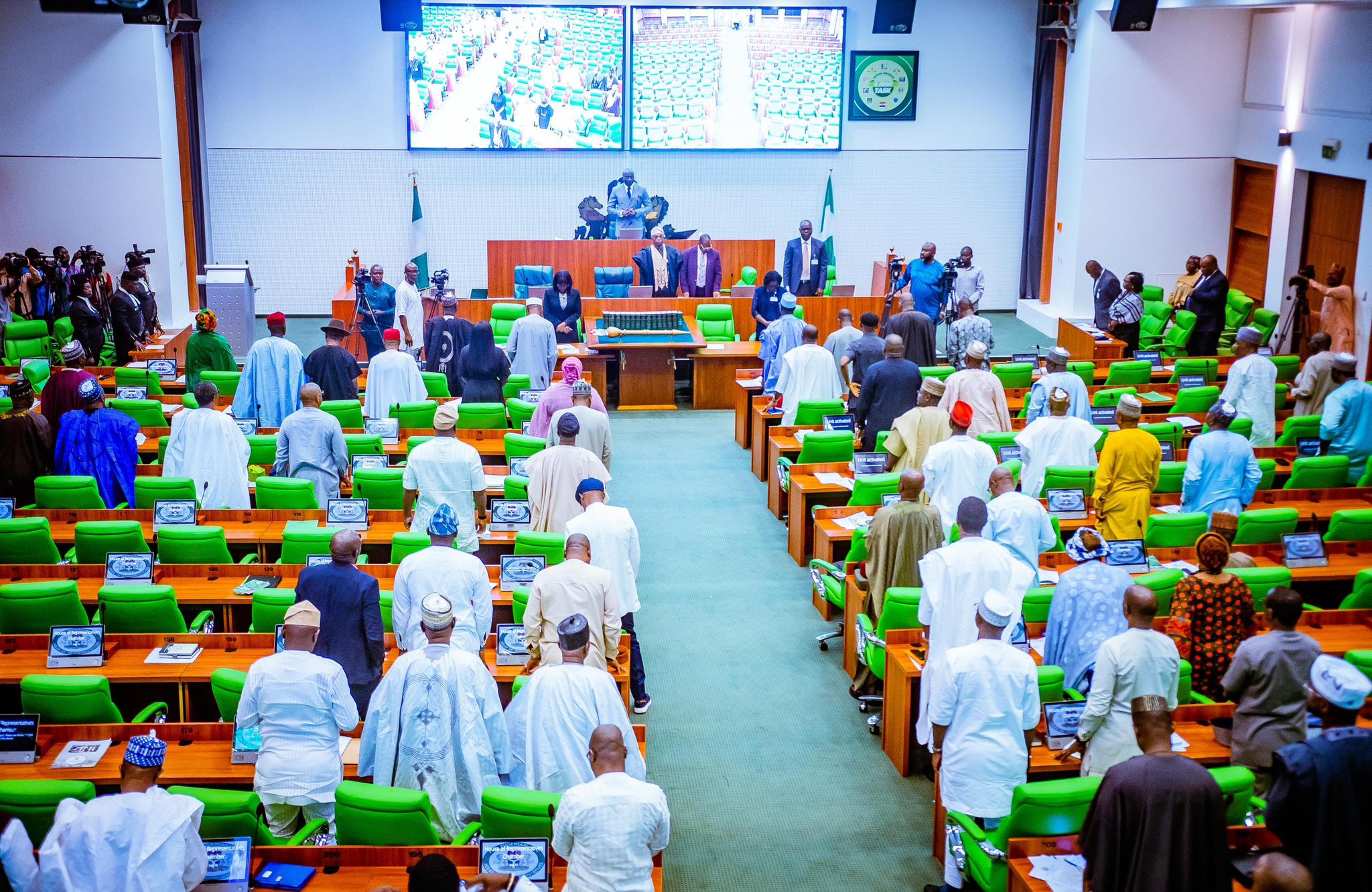
The House of Representatives has passed the Constitution Alteration Bill seeking to establish state police in Nigeria, marking a major step toward the creation of a decentralised policing system across the country.
The bill was passed during a plenary session of the lower chamber on Thursday, June 11, with 289 lawmakers voting in favour, one voting against, and none abstaining after the House confirmed that the constitutionally required quorum had been met.
According to a statement signed by House Spokesman Rep. Akin Rotimi, the bill contains 18 clauses and seeks to amend Sections 214 to 216 and other relevant provisions of the 1999 Constitution (as amended).
The passage comes amid ongoing constitutional review efforts and follows the commencement of formal engagements on constitutional amendments required to establish state police nationwide.
Also Read
What they are saying
The House said the bill, which forms part of the broader constitutional review process, was read for the third time and subsequently passed, while consideration of other constitution alteration bills was deferred.
The legislation is designed to strengthen Nigeria’s internal security architecture through a decentralised policing framework that provides for coordination, oversight, accountability, and a clear division of responsibilities between federal and sub-national policing authorities.
Speaking on the development, Speaker of the House of Representatives, Abbas Tajudeen, said the passage of the bill reflects the chamber’s commitment to strengthening national security through constitutional reforms while preserving Nigeria’s unity.
- “By passing this Bill, the House has taken a decisive constitutional step towards creating a policing framework that is more responsive to local realities while remaining firmly anchored within the unity and sovereignty of the Federal Republic of Nigeria,” he stated.
Also commenting, Deputy Speaker of the House and Chairman of the House Committee on Constitution Review, Benjamin Kalu, said the outcome demonstrates the House’s responsiveness to growing national calls for security sector reforms and improved governance structures.
The passage of the bill comes amid increasing calls for constitutional changes that would allow states to establish their own police formations, a proposal that has gained traction as Nigeria grapples with persistent security challenges across several regions.
Back story
The latest development follows a series of moves by the Federal Government and the National Assembly to create a legal framework for state policing.
- In February, President Bola Tinubu urged the leadership of the 10th Senate to expedite constitutional amendments that would provide the legal basis for the establishment of state police.
- Earlier, in April 2025, Senate Leader Opeyemi Bamidele disclosed that the National Assembly was already working on legislative frameworks designed to facilitate the creation of state police formations across the federation.
More recently, on June 4, the Chief of Staff to the President, Femi Gbajabiamila, revealed that discussions on the state police framework had commenced months earlier following a directive from President Tinubu. According to him, stakeholders were focusing on constitutional changes needed to provide legal backing for sub-national policing structures.
What you should know
Calls for security reforms have intensified following a wave of violent incidents across the country, including the abduction of pupils and teachers in Oriire Local Government Area of Oyo State on May 15, 2026.
In response to the incident, President Tinubu approved the recruitment of 1,000 forest guards to strengthen security operations in the state and surrounding communities. He also directed the deployment of a specialised security team with advanced rescue capabilities to support efforts aimed at securing the release of the victims.
The incident sparked widespread concern among residents, parents, and community leaders, many of whom have continued to demand stronger security measures and faster responses to threats facing schools and rural communities.
The growing insecurity has further fueled calls for the creation of state police, with supporters arguing that a decentralised policing system could complement existing federal security structures and improve the country’s overall security response.