Follow Us on Google Discover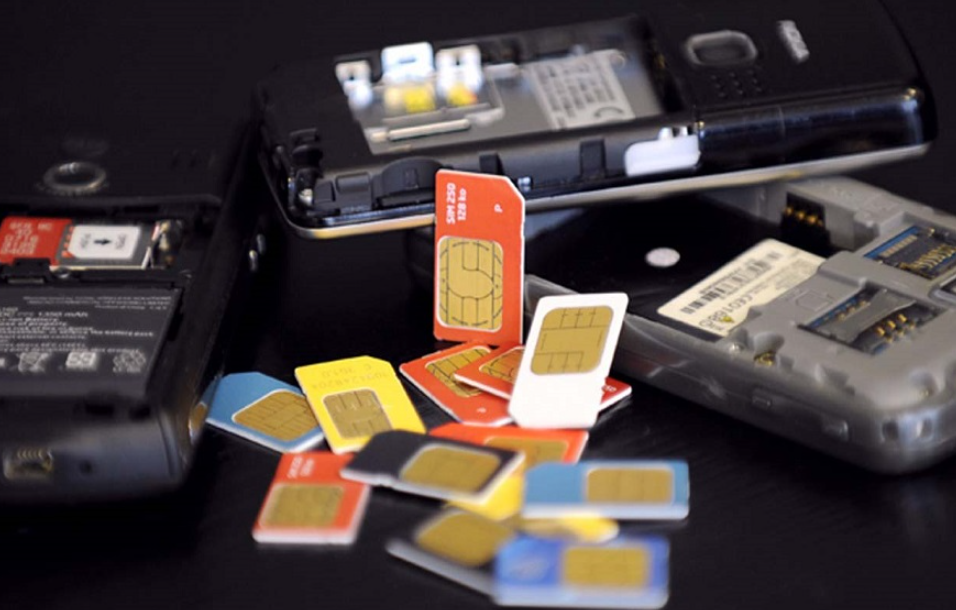
Nigeria’s push to strengthen digital trust has taken a new turn as the House of Representatives urges the Nigerian Communications Commission (NCC) to extend the SIM reassignment window to 18 months.
At first glance, the proposal appears straightforward: give more time before inactive numbers are recycled to reduce fraud, identity theft, and wrongful criminal exposure.
But beneath the surface lies a more complex issue.
This issue goes beyond timelines and cuts to the heart of how Nigeria’s telecom ecosystem is structured, funded, and regulated.
A critical but often overlooked factor in this debate is the commercial model underpinning SIM management. Telecom operators, and by extension the NCC, derive value from active SIMs on their networks. Industry insiders note that operators are subject to regulatory charges tied to active lines, meaning every SIM carries a cost implication across compliance, numbering resources, and operational overhead.
This creates a structural incentive: dormant SIMs are not only inactive, but also economically inefficient. Holding onto them for too long ties up scarce numbering resources and imposes costs on operators already navigating tight margins, high infrastructure expenses, and regulatory obligations.
In this context, SIM recycling is not merely a convenience; it is a business necessity. However, when economic efficiency collides with data protection, the consequences can be severe.
The House’s concern is valid. Recycled numbers have increasingly been linked to fraud, financial loss, and reputational damage. When a phone number is reassigned, it may still be connected to sensitive digital identities, bank accounts, email profiles, social media platforms, and even government databases linked to the National Identity Management Commission and financial systems.
This creates a dangerous overlap: a new user inherits a number, but fragments of the previous owner’s digital life remain attached.
The result may include unauthorised access to banking services, exposure to one-time passwords (OTPs), misidentification in criminal investigations and possible persistent data privacy violations under the Nigeria Data Protection Act.
While extending the reassignment period to 18 months may reduce the frequency of these incidents, it is unlikely to eliminate the root cause of the problem.
Lengthening the recycling window is a defensive measure, not a systemic solution. Even after 18 months, the same vulnerabilities remain if underlying data linkages are not properly severed.
The real issue then is not when SIMs are recycled, but how they are recycled. It is the how that needs fixing.
To my mind, without coordinated delinking across telecom networks, financial institutions, and digital platforms, a recycled number remains a gateway to legacy data. In effect, Nigeria risks simply delaying a problem rather than solving it.
If Nigeria is to strike a balance between operational efficiency and subscriber protection, reforms must go beyond timelines. A more robust framework would be required.
First, the regulators need to institute mandatory cross-platform delinking. So, before any SIM is reassigned, telecom operators should be required to trigger a system-wide delinking process, cutting off the number from banking systems, government databases, and digital services.
This will require coordination between the NCC, the Central Bank of Nigeria, and data regulators.
Second, there should be real-time risk flagging. This means recycled numbers should automatically be classified as “high-risk” within financial systems. This would trigger safeguards such as transaction limits, enhanced verification, and temporary restrictions on sensitive operations.
In addition, subscriber notification and transparency are obligatory. While the proposal by the House to publish inactive numbers is a step in the right direction, it must be complemented with direct digital notifications, SMS, email, and app alerts to previous users before reassignment.
Moreover, the industry must work to set up SIM-linked identity audit trails. The centralised audit system should track the lifecycle of every SIM, ensuring traceability from activation to reassignment. This would support law enforcement without exposing innocent users to wrongful accusations.
Furthermore, the regulator must rethink the revenue model. This is perhaps the most important point. Regulators must revisit the economic incentives around SIM management. If operators are pressured to recycle numbers quickly due to cost structures, then policy reform must address that pressure.
Other options could include incentivising longer retention of inactive numbers, adjusting regulatory charges tied to dormant SIMs and expanding numbering capacity to reduce scarcity pressures.
The truth is that Nigeria’s digital economy is expanding rapidly, with millions relying on mobile numbers as the primary key to financial and social identity. In such an environment, SIM ownership is no longer just about connectivity; it is about identity.
The NCC’s challenge is to balance two competing imperatives: the commercial realities of telecom operations and the growing demand for data protection and digital trust.
Extending the SIM reassignment window to 18 months is a useful first step. But without deeper structural reforms, it risks becoming a temporary fix to a long-term problem.
Ultimately, the debate over SIM recycling reflects a broader question: how should Nigeria govern digital identity in an interconnected world?
As lawmakers push for change, the opportunity is clear. This is not just a chance to delay SIM reassignment; it is a moment to redesign the system entirely.
- Elvis Eromosele, a corporate communications professional and sustainability advocate.