Follow Us on Google Discover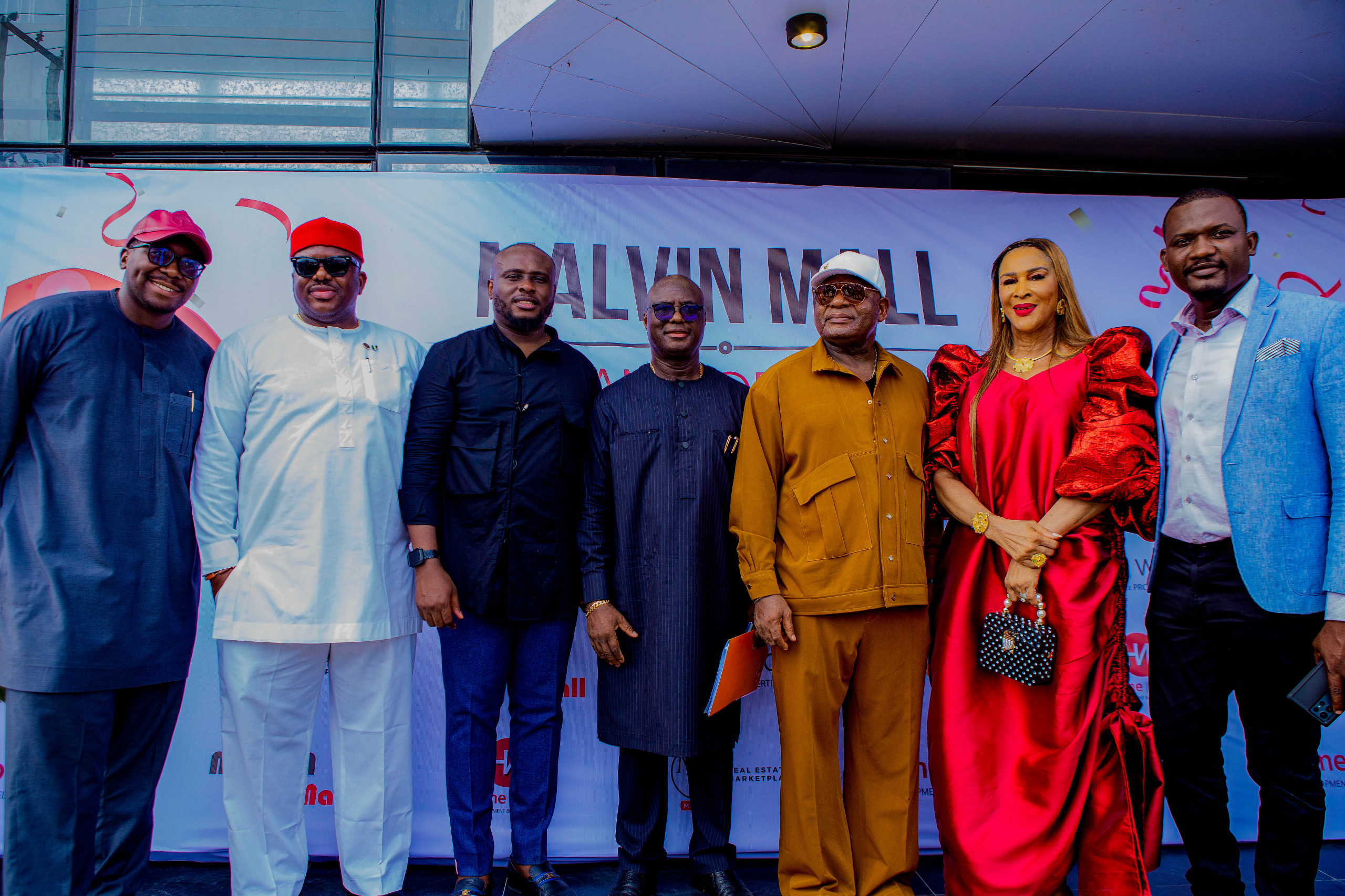
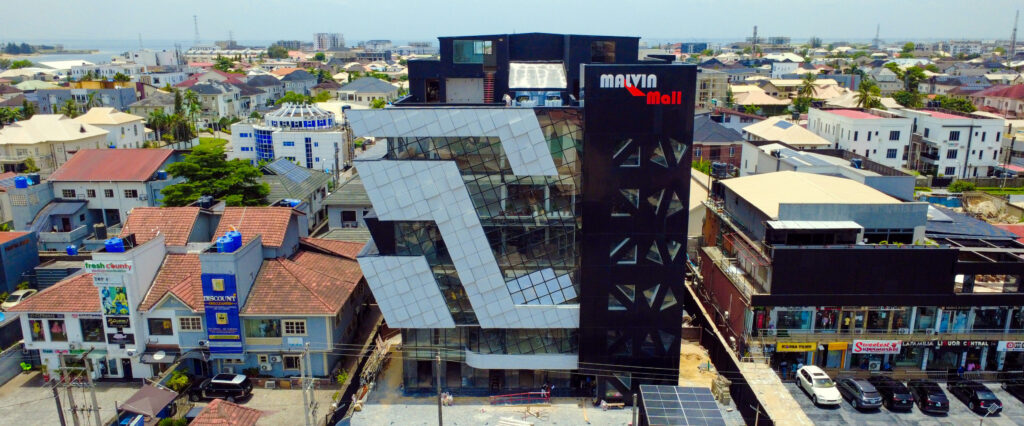
In a move that reinforces the resilience of Nigeria’s high-end commercial real estate sector, Homework Group Africa officially launched its latest boutique development, Malvin Mall, located at the prime intersection of 65 Admiralty Way, Lekki Phase 1.
The launch comes at a critical time for the Nigerian economy, where inflationary pressures and currency fluctuations have dampened the construction sector.
However, the delivery of this 3,000-square-meter Gross Leasable Area (GLA) facility signals a strategic move by indigenous developers to capture the resilient purchasing power of the Lekki-Epe corridor.
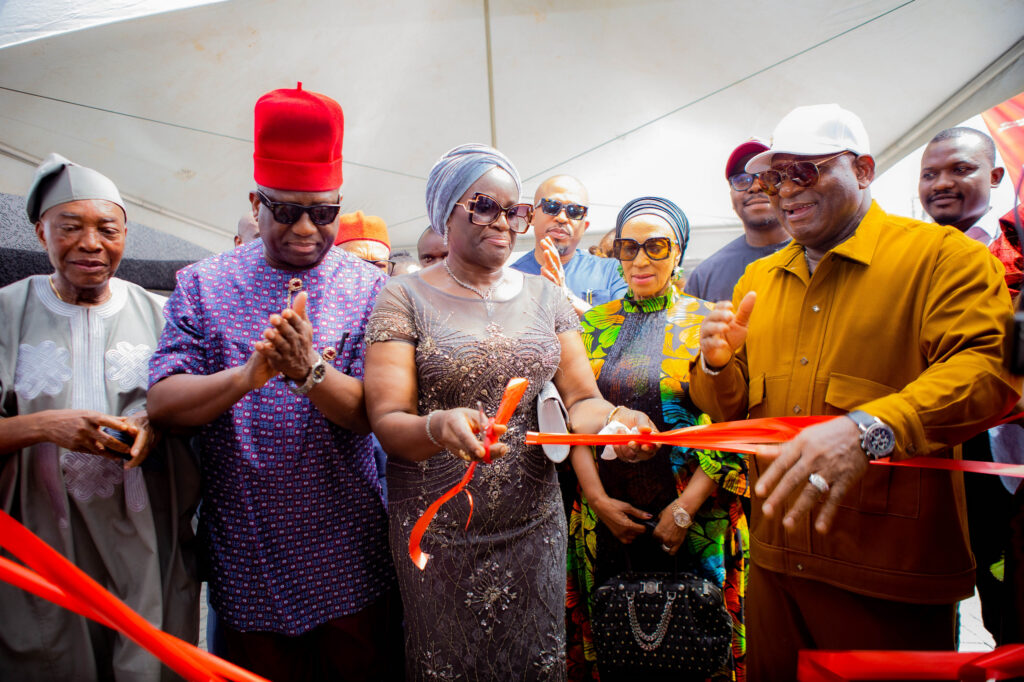
The grand opening was a high-profile assembly of political and social figures, led by the First Lady of Imo State, Barr. Chioma Uzodimma. Also in attendance were entertainment mogul Naeto C and his wife, Nicole Chikwe, alongside a network of industry captains and institutional investors.
The Infrastructure Play
Beyond the aesthetics of its six-floor structure—which includes a basement and mezzanine—the mall’s value proposition lies in its operational self-sufficiency. At a time when energy costs are a major overhead for Nigerian retailers, Malvin Mall is equipped with a 500kVA power backup system powered by two industrial generators to ensure 24/7 business continuity.
Vertical logistics within the building are managed by six elevators—split equally between three public-facing units and three dedicated freight/service elevators—a design choice aimed at separating shopper experience from the logistical demands of premium retail tenants.
Resilience is our greatest asset
Speaking at the launch, Architect Jide Adekola, a Forbes Business Council member and Group Managing Director of Homework Group Africa, addressed the elephant in the room: the difficulty of capital projects in an era of double-digit inflation.
“The rising tide of inflation and the unpredictability of global supply chains have tested the resolve of every visionary in this country,” Adekola remarked. “But history has shown us that the Nigerian spirit is most potent when pushed against the wall. Delivering Malvin Mall wasn’t just about bricks and mortar; it was about proving that even in the face of daunting odds, we can still build landmarks that foster community and commerce. Our resilience is our greatest asset, and this project stands as a testament to the fact that we will not be defined by our challenges, but by how we overcome them.”
Market Implications
For the Lagos real estate market, Malvin Mall represents a continued shift toward “boutique” retail—smaller, more efficient hubs that prioritize high-density accessibility over the sprawling footprints of traditional mega-malls. With two pedestrian entry points and specialized restroom facilities on every floor, the project is optimized for high-velocity foot traffic.
Homework Group Africa, which now oversees a portfolio of over 25 residential and commercial projects, appears to be doubling down on urban renewal. In a market where many developers are pausing due to high cost of materials, the completion of Malvin Mall serves as a tangible indicator of private sector confidence in the long-term viability of the Nigerian retail landscape.