Follow Us on Google Discover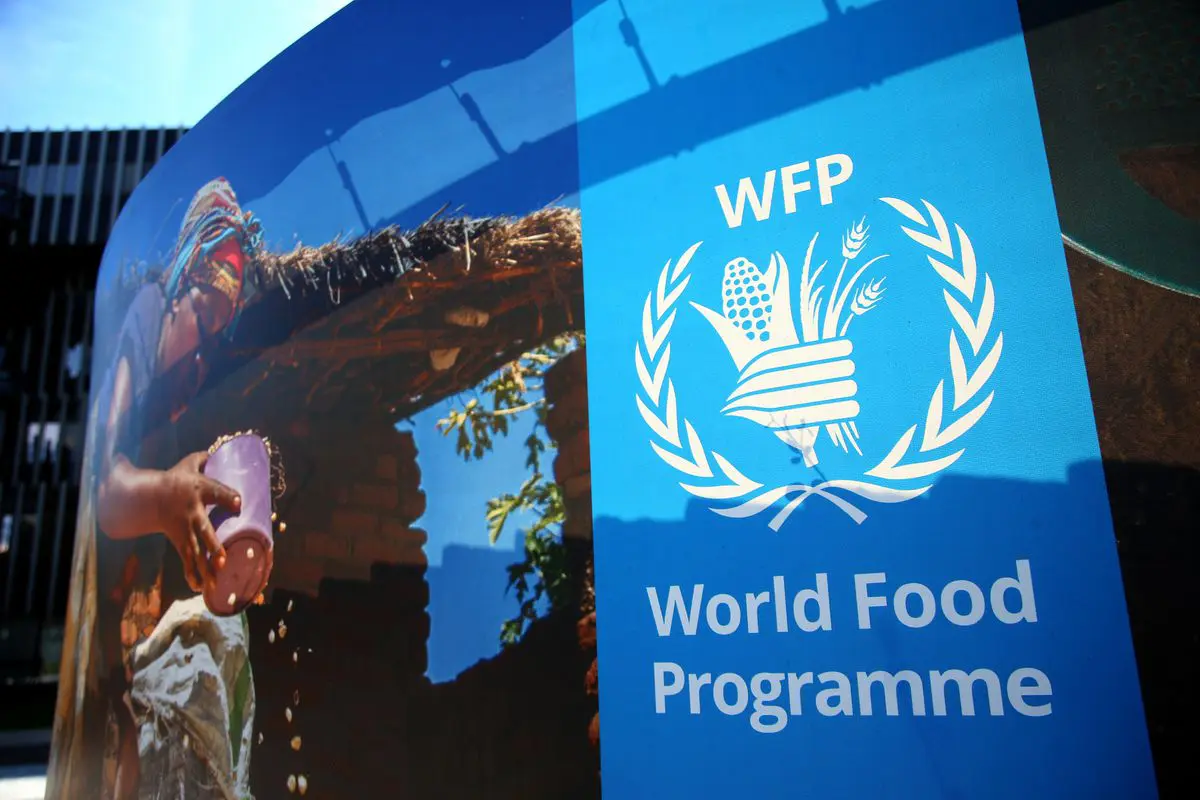
The World Food Programme (WFP) says it spent $5 million, approximately N7.4 billion, on shock-response and social protection interventions in Nigeria in 2025.
According to NAN, Serigne Loum, Acting Country Director of WFP, disclosed this on Thursday in Abuja during the inauguration of the Shock-Responsive Social Protection Technical Working Group and validation workshop of the Standard Operating Procedure.
The workshop was organised in collaboration with the Federal Ministry of Humanitarian Affairs and Poverty Reduction.
The intervention comes amid a worsening food crisis in Nigeria, with tens of millions of people facing food insecurity, particularly concentrated in the country’s conflict-affected northeast region.
Also Read
What they are saying
Loum explained that the funding reflects the growing strain on humanitarian systems in Nigeria, driven by years of overlapping crises that have stretched both government agencies and aid organisations.
- “Unfortunately, the country has also been experiencing multiple crises and shocks for over a decade, which has overstretched both the national disaster agencies and the humanitarian partners,” he said.
He added that Nigeria has the potential to become a model for other countries if its shock-responsive social protection systems are properly implemented.
- “Therefore, Nigeria is setting a standard if the SOP protocol is effectively operationalised. Nigeria will be a standard reference point for peer learning in Africa and beyond,” he said.
He also noted that Nigeria’s extensive database of poor and vulnerable households provides a strong foundation for scaling targeted interventions and improving the effectiveness of social protection programmes.
More insights
Loum highlighted the scale of food insecurity in Nigeria, noting that at least 35 million people are affected, with the majority located in the northeast.
He said the agency supported about 70,000 people in Adamawa State with anticipatory assistance ahead of flooding last year, helping them take preventive measures before the disaster struck, and plans to expand its reach in 2026.
- “This year, we are aiming to increase that number, maybe reaching 80,000 people for unprepared action and also more people for social protection,” he said.
He added that the WFP remains committed to achieving zero hunger in Nigeria, not only through direct interventions but also by strengthening government systems in areas such as social protection, emergency response, anticipatory action, and policy coordination.
What you should know
In March, the World Food Programme warned that about 10.4 million people in West and Central Africa could be pushed into acute food insecurity if the ongoing Middle East conflict persists.
- The agency also projected that globally, up to 45 million more people could fall into acute hunger if the crisis continues and oil prices remain high, adding to the 318 million people already affected worldwide.
- WFP has previously provided significant support to Nigeria. In February last year, it allocated $2.5 billion to its 2023–2027 Nigeria Country Strategic Plan aimed at tackling hunger and improving nutrition.
However, by July of the same year, the agency warned it could suspend emergency food and nutrition assistance for 1.3 million people in northeast Nigeria due to severe funding shortfalls, highlighting ongoing challenges in sustaining humanitarian operations.