Follow Us on Google Discover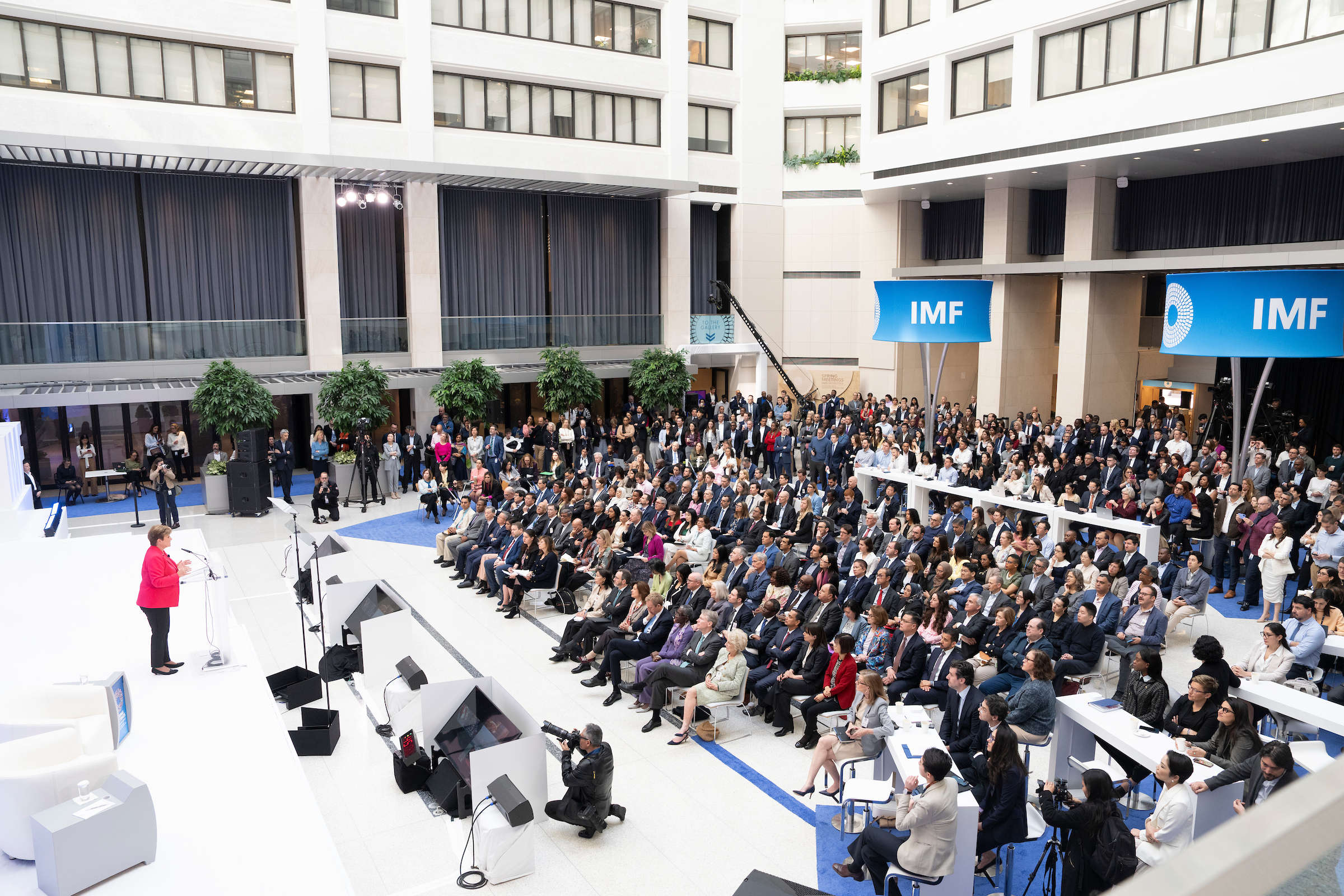
The International Energy Agency, International Monetary Fund, and World Bank Group have warned that the ongoing war in the Middle East is driving a significant global energy and economic shock.
The institutions disclosed this in a joint statement issued after a high-level coordination meeting held to assess the impact of the conflict on Monday.
They noted that the crisis is already pushing up energy and commodity prices, with far-reaching consequences for global economies.
The organisations said the effects of the conflict are widespread but uneven, with energy-importing and low-income countries bearing the brunt of the disruption.
What they are saying
The institutions highlighted the severity and global reach of the ongoing energy shock.
- “As we noted earlier this month, the impact of the war is substantial, global, and highly asymmetric, disproportionately affecting energy importers, in particular low-income countries.”
- “The shock has led to higher oil, gas and fertilizer prices, triggering concerns about food security and job losses as well. Some oil and gas producers in the Middle East have also seen a dramatic loss of export revenue.”
- “The situation remains very uncertain, and shipping through the Strait of Hormuz is yet to normalize.”
- “Even after a resumption of regular shipping flows through the Strait, it will take time for global supplies of key commodities to move back towards their pre-conflict levels—and fuel and fertilizer prices may remain high for a prolonged period given the damage to infrastructure.”
They added that supply disruptions are likely to affect multiple sectors, including energy, food, and manufacturing.
More Insights
The institutions noted that the crisis is already affecting economies and livelihoods across multiple regions.
- Higher energy and fertilizer costs are increasing pressure on food production and prices.
- Some oil and gas producers in the Middle East are experiencing significant export revenue losses.
- The conflict has also led to the displacement of people, job losses, and reduced travel and tourism activity.
- Recovery in affected sectors may take time due to infrastructure damage and supply chain disruptions.
They said the full scale and duration of the impact remain uncertain.
The meeting is part of a coordination framework established in early April to address the economic fallout of the Middle East conflict.
- The IEA, IMF, and World Bank formed the group to align their policy responses and support mechanisms.
- The conflict has disrupted global supply chains, particularly in energy and key commodities.
- Shipping through critical routes such as the Strait of Hormuz has been significantly affected.
These disruptions have amplified existing vulnerabilities in global energy and food systems.
The three institutions are working closely to support countries affected by the crisis.
- They are providing coordinated policy advice tailored to country-specific needs.
- The IMF and World Bank may offer financial support to economies facing severe shocks.
- Further assessments are expected in upcoming reports, including the IEA Oil Market Report and IMF World Economic Outlook.
The institutions said they will continue to monitor developments and coordinate responses to support global economic stability and recovery.
What you should know
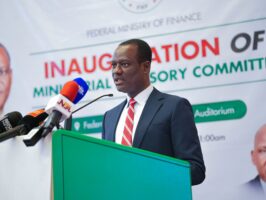
Yesterday, Nairametrics reported that Minister of Finance, Wale Edun, is ramping up the push for global support as Nigeria navigates the dual impact of rising oil revenues and mounting inflation pressures triggered by the ongoing Middle East conflict.
In a media brief released ahead of the IMF/World Bank Spring Meetings 2026 in Washington DC, the Federal Ministry of Finance outlined three core policy messages that will shape Nigeria’s engagement with global stakeholders.