Follow Us on Google Discover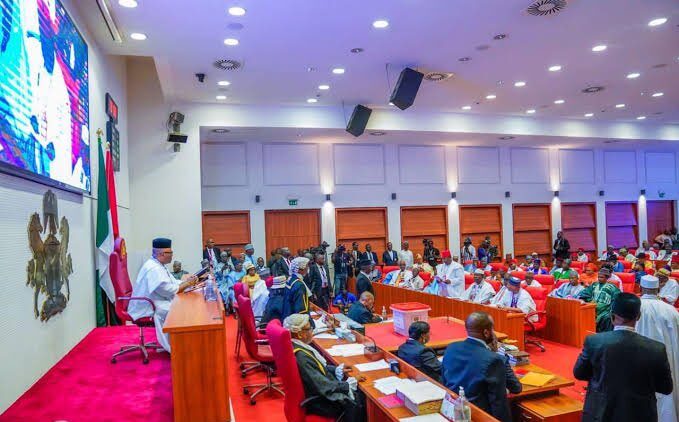
The Senate has approved another three-month extension for the implementation of the capital component of the 2025 Appropriation Act, moving the deadline from June 30 to September 30, 2026.
The extension was approved during plenary on Thursday, June 11, as lawmakers considered measures aimed at improving budget performance and preventing the abandonment of ongoing government projects.
The Senate said the additional time became necessary due to delays in project execution, procurement bottlenecks and administrative processes that have slowed the utilisation of funds already released to Ministries, Departments and Agencies (MDAs).
What they are saying
The decision followed the adoption of a motion seeking an urgent extension of the implementation timeline after lawmakers suspended relevant Senate rules to allow for its immediate consideration.
Also Read
Leading the debate, Senate Leader Senator Opeyemi Bamidele said the extension was required because several capital projects had experienced implementation delays despite significant government releases to MDAs.
- “The 2025 Appropriation Act was enacted to provide funding for the implementation of government programmes, projects and activities aimed at promoting economic growth, infrastructure development, national security and the welfare of Nigerians,” he said.
Bamidele further noted that a sizeable portion of the funds already released for approved projects remains unused due to procurement procedures, implementation challenges and other administrative requirements that have slowed execution.
- “A number of strategic capital projects across critical sectors of the economy are at advanced stages of completion and require additional time for execution, certification and payment,” he said.
He warned that failing to grant the extension could result in the abandonment of key projects, wastage of public resources already committed to them and disruption of ongoing government interventions.
More insights
Following deliberations, lawmakers overwhelmingly approved the proposal through a voice vote presided over by Senate President Godswill Akpabio.
The Senate subsequently endorsed an amendment to the 2025 Appropriation Act that would extend the implementation period of the capital component by an additional 90 days.
Several senators argued that the extension would improve budget execution, ensure better utilisation of public funds and allow critical infrastructure and development projects to be completed rather than left unfinished.
The chamber clarified that the extension applies only to the capital component of the 2025 budget and is intended to improve project delivery, enhance value for money and strengthen fiscal discipline.
The resolution will be transmitted to the House of Representatives for concurrence. If approved, MDAs will have until September 30, 2026, to complete the execution, certification and payment processes for capital projects captured in the 2025 budget.
What you should know
This is not the first time the implementation period for the 2025 budget has been extended.
On April 17, President Bola Tinubu signed the 2026 Appropriation Bill into law, approving a total expenditure of N68.32 trillion for the fiscal year. Alongside the budget, the President also assented to legislation extending the implementation period of the capital component of the 2025 budget from March 31, 2026, to June 30, 2026.
The latest extension means the government will continue implementing portions of the 2025 budget even as the 2026 fiscal plan is already in operation.
Earlier in March, President Tinubu requested the National Assembly’s approval to increase the size of the 2026 Appropriation Bill by N9 trillion, raising the proposed budget from N58.4 trillion to N67.4 trillion before its eventual passage.
The repeated extensions underscore the challenges facing budget implementation, particularly in the execution of capital projects across key sectors of the economy.