Follow Us on Google Discover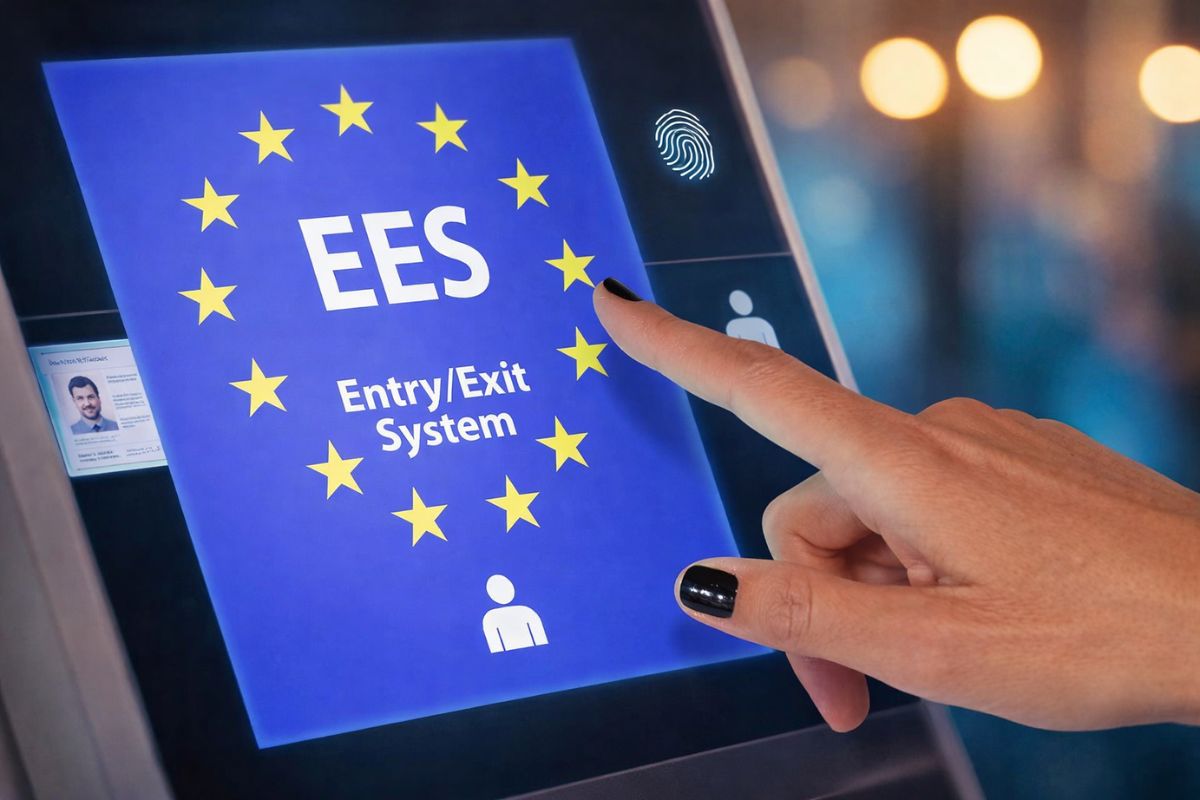
The European Union’s new Entry/Exit System (EES) will be fully operational from April 10, 2026, marking a major shift in how travellers enter and leave Europe.
The system replaces traditional passport stamps with digital records, fingerprints, and facial recognition, modernising border management across the 29 countries in the Schengen Area.
Launched in phases on October 12, 2025, the EES aims to improve border security, reduce identity fraud, and streamline short-term travel procedures for non-EU visitors.
With full rollout, travellers can expect automated digital checks at all EU entry and exit points, eliminating the need for manual stamping of passports.
Also Read
What they are saying
Under the system, border authorities will collect and store key traveller data digitally, including facial images, fingerprints, passport details, entry and exit dates, and any records of refused entry.
- The data is cross-checked each time a traveller crosses an EU border. For visa-exempt travellers, the EES will operate alongside the upcoming ETIAS Travel Authorisation, further strengthening Europe’s border oversight.
Travellers arriving in the EU will have their passports scanned, biometric data captured, and records stored electronically. Upon departure, the system logs exit automatically. Over time, this digital trail is expected to make border procedures faster and reduce queues at airports and other points of entry.
What you should know
Since the initial rollout in October 2025, the system has already recorded over 45 million border crossings. Authorities have refused entry to about 24,000 travellers and flagged 600 individuals as security risks.
- Cases of identity fraud and multiple entries under different names have been detected, highlighting the system’s role in curbing irregular travel.
- For example, Romanian border officials used the EES to identify a traveller who had previously been denied entry three times under different identities.
- Officials say that without biometric checks, such cases would have been difficult to detect. The system also ensures that travellers comply with short-term stay regulations, adding a layer of security while maintaining efficiency for legitimate visitors.
- For most visitors, the transition to digital checks should mean smoother processing at borders. However, first-time users may experience slightly longer checks as biometric data is captured and recorded. In the long term, the EU expects faster border crossings, fewer errors, and more accurate travel records.
The full implementation of the EES represents Europe’s broader plan to modernise border management using technology, ensuring both security and convenience for travellers.