Follow Us on Google Discover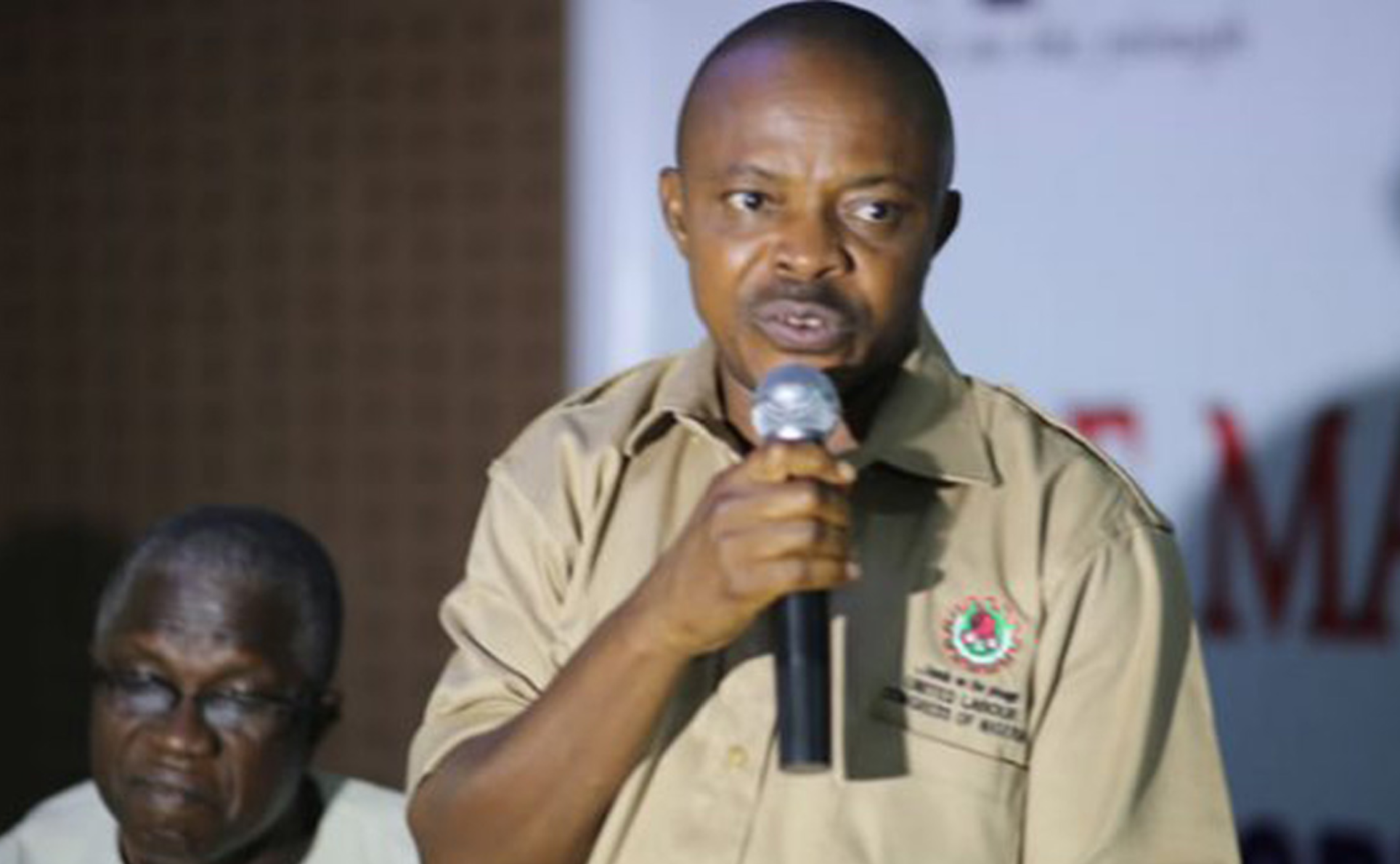
The Nigeria Labour Congress (NLC) has rejected the proposed N6 trillion bailout for Nigeria’s electricity sector, warning that repeated financial interventions have failed to improve power supply across the country.
The position was made known by NLC President Joe Ajaero in a statement issued on Sunday in Abuja.
The labour body argued that continued bailouts have not translated into reliable electricity for Nigerians, insisting that deeper structural reforms, not more funding, are needed to fix the sector.
What they are saying
Ajaero said the proposed bailout reflects deeper systemic problems in the power sector, stressing that public funds cannot continue to sustain inefficiencies.
- “The proposed N6 trillion bailout is a mere symptom of deeper structural failures in the power sector, and repeated financial interventions have not translated into improved electricity supply for Nigerians.”
He further criticised the current framework, noting that Nigerians continue to suffer high tariffs and poor service despite ongoing interventions. He called for a halt to the bailout and urged the government to prioritise reforms that serve public interest rather than private profit.
Ajaero also proposed structural changes, including merging the Ministries of Power and Petroleum into a unified energy ministry to improve coordination, particularly in gas supply for electricity generation.
- “We cannot continue to deploy public funds to sustain a fundamentally flawed system, while ordinary citizens bear the burden of inefficiency through high tariffs and persistent outages.”
He added that electricity should be treated as a social service rather than a profit-driven commodity, urging the government to convene a stakeholders’ summit to develop a people-focused roadmap for the sector.
More insights
Nigeria’s electricity crisis continues to weigh heavily on households and businesses, with unreliable supply forcing many to depend on costly alternatives such as diesel and petrol generators.
- Data from industry sources show that Nigeria generates an average of 4,000–5,000 megawatts (MW) of electricity for a population of over 200 million—far below the estimated minimum requirement of 20,000 MW needed for a stable supply.
This shortfall has left a significant gap in power availability across the country.
- The sector is also under severe financial strain. Power generation companies (GenCos) are currently owed about N6.8 trillion, a debt that has accumulated since 2015 and is reportedly increasing by roughly N200 billion monthly.
This liquidity crisis has made it difficult for operators to maintain turbines, procure spare parts, and secure gas supplies.
- Gas suppliers, who are critical to the sector, owe nearly 60% of the total debt, leading to reduced willingness to supply fuel without payment guarantees. Given that gas-fired plants account for about 70% of Nigeria’s electricity generation, any disruption in gas supply has an immediate and widespread impact on power output.
What you should know
Over the past two years, the Federal Government has rolled out several large-scale financial interventions aimed at stabilising Nigeria’s electricity sector, yet supply has remained inconsistent.
- One of the biggest moves was a N4 trillion bond programme designed to clear longstanding debts owed to power generation companies and gas suppliers. In addition, about N185 billion was approved to settle gas-related obligations and ensure continued fuel supply to thermal plants.
- Budgetary allocations to the power sector have also surged significantly. In the 2025 fiscal year, the Ministry of Power received about N2.086 trillion, with over N2.076 trillion earmarked for capital projects such as transmission expansion, grid rehabilitation, and infrastructure upgrades.
- Under the Presidential Power Initiative, roughly N150 billion was committed to improving transmission capacity, while about N700 billion—approved through FAAC—was set aside for the rollout of 1.1 million electricity meters to improve billing efficiency and reduce estimated charges.
Despite these interventions, the sector continues to struggle with reliability issues.
Nigeria experienced multiple national grid collapses in 2025, with at least two recorded in early 2026, underscoring the fragility of the transmission network.
The NLC’s stance adds to growing concerns that, without structural reforms, continued financial injections may do little to resolve the sector’s longstanding inefficiencies.