Follow Us on Google Discover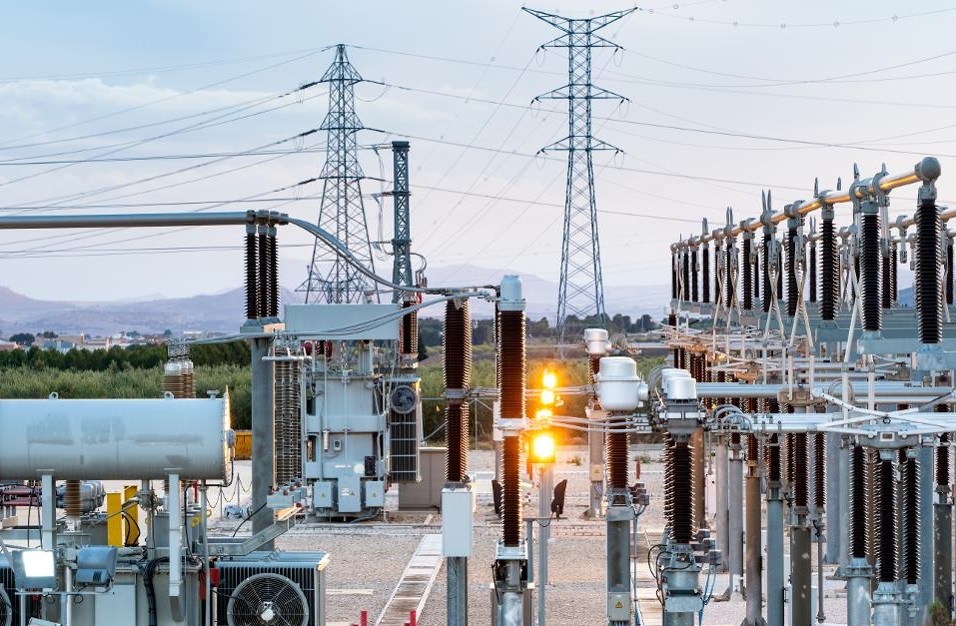
A growing number of Nigeria’s power generation companies (GenCos) have shut down operations amid a mounting N6.8 trillion debt burden, crippling their ability to maintain equipment, secure gas supplies, and meet basic operational expenses.
This is according to a recent report by Bloomberg.
The financial strain reflects widening liquidity challenges across the electricity value chain, according to Joy Ogaji, Chief Executive Officer of the Association of Power Generation Companies (APGC).
“We cannot maintain the machines,” Ogaji said, adding that without adequate funding, equipment cannot be serviced, underscoring the severity of the cash flow crisis confronting the sector.
What the data is saying
Industry figures show that power generation companies were owed about N6.8 trillion as of the end of February.
- The debt has been accumulating since 2015.
- It continues to grow by roughly N200 billion monthly.
- GenCos reportedly owe gas suppliers and transport service providers about 60% of what is owed to them.
- The imbalance is further straining the entire energy supply chain.
Gas-fired plants account for nearly 70% of Nigeria’s electricity generation, making uninterrupted gas supply critical. However, gas suppliers are increasingly reluctant to continue deliveries without payment assurances.
More insights
The Nigerian Independent System Operator(NISO) operational data indicates significant underperformance in power generation.
- 16 out of 33 power plants were not supplying electricity as of Tuesday afternoon.
- The remaining plants were generating a combined 3,705 megawatts.
- Nigeria’s average generation has remained around 4,000 megawatts for years.
- By comparison, some countries with smaller populations generate far more electricity.
Despite being Africa’s largest economy, Nigeria continues to face persistent power shortages. Only slightly more than half of the population is connected to the national grid, and even connected customers experience frequent outages.
- Ogaji described the situation facing generation companies as critical.
- Some firms have taken bank loans to sustain operations.
- Others are struggling to meet salary obligations.
- In certain cases, company owners have provided personal collateral to access financing.
- Rising operational costs and unpaid invoices are compounding financial stress.
The prolonged liquidity crisis has left many operators vulnerable, with limited access to affordable funding to stabilize operations.
The Federal Government has announced plans to raise N4 trillion from domestic capital markets to partially settle outstanding debts owed to power companies.
- The initiative aims to address part of the backlog dating back to 2015.
- Only a fraction of the targeted amount has been raised so far.
- The remainder is expected through phased bond issuances.
While industry stakeholders have welcomed the proposal, concerns remain about the pace of implementation and whether it will be sufficient to halt the growing debt accumulation.
What you should know
In October 2025, Nairametrics reported that the Federal Government had concluded implementation frameworks for a N4 trillion government-backed bond aimed at settling verified arrears owed to power generation companies and gas suppliers.
Nairametrics also reported that the Federal Government’s plan to issue up to N4 trillion in government-backed bonds to settle legacy debts owed to Gencos and gas suppliers triggered concerns over its risky debt-for-debt strategy.
GenCos earlier dismissed reports claiming that N2.8 trillion represents a newly verified and final settlement of legacy debts owed to them, describing the assertion as inaccurate and misleading.