Nigerian software developers have generated over $1 million in sales from locally developed applications across domestic and regional markets.
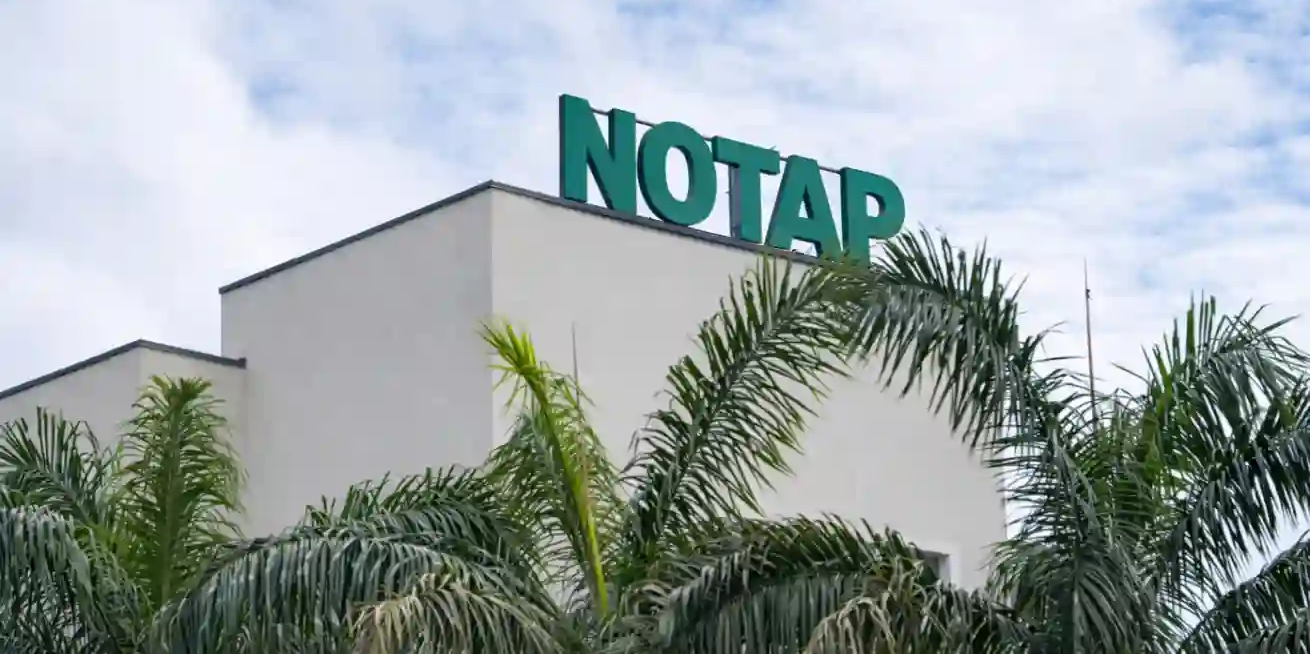
The Director-General of the National Office for Technology Acquisition and Promotion (NOTAP), Dr. Obiageli Amadiobi, disclosed this in an interview with the News Agency of Nigeria on Thursday in Abuja.
She said the performance of local developers shows how targeted support initiatives can translate innovation into commercial success.


What NOTAP is saying
Amadiobi said the growth recorded by Nigerian software developers was largely driven by deliberate interventions by NOTAP aimed at building capacity, protecting intellectual property, and linking innovators to market opportunities.
According to her, many local developers previously struggled to move from idea to impact because they failed to secure intellectual property rights early enough.
“Whether it’s a literary work, a laboratory invention, or a creative digital product, the process of bringing an idea to life demands immense time, skill, and dedication.
“An innovator might wake up with a solution to a pressing problem; spend months testing and refining it, and achieve remarkable results; so it is their fundamental right to patent that creation and claim ownership,” she said.
She warned that failing to protect intellectual property exposes Nigerian innovations to exploitation.
“Without this protection, someone else could easily replicate their work; patent it in their name; and legally control what was built with Nigerian brainpower,” she added.
Apps driving the $1 million milestone
The NOTAP boss said the $1 million figure was generated from over 50 locally developed applications, with individual developers earning between $5,000 and $80,000.
- She listed some of the performing solutions, including a mobile health platform serving about 750,000 users across six states, an agricultural marketplace connecting smallholder farmers to buyers, and an educational tool adopted by 200 schools to improve learning outcomes.
- According to her, about 60% of the total sales recorded last year came from other African countries, indicating strong regional demand for Nigerian-built software.
NOTAP plans to double local software sales by 2027, focusing on high-growth areas such as fintech, renewable energy management, and climate adaptation tools.
Apps driving the $1 million milestone
The NOTAP boss said the $1 million figure was generated from over 50 locally developed applications, with individual developers earning between $5,000 and $80,000.
She listed some of the performing solutions, including a mobile health platform serving about 750,000 users across six states, an agricultural marketplace connecting smallholder farmers to buyers, and an educational tool adopted by 200 schools to improve learning outcomes.
According to her, about 60% of the total sales recorded last year came from other African countries, indicating strong regional demand for Nigerian-built software.
NOTAP plans to double local software sales by 2027, focusing on high-growth areas such as fintech, renewable energy management, and climate adaptation tools.
What you should know
The applications driving the $1 million milestone were developed by private Nigerian developers and companies, with NOTAP supporting them through initiatives like the Local Vendor Policy, which mandates that foreign software license agreements must involve a Nigerian IT company in its deployment and maintenance to receive NOTAP approval.
According to the agency, these efforts have encouraged partnerships and technology transfer, boosting the commercial success of homegrown solutions.
Since its inception, the agency has issued over 340 patent certificates to researchers, institutions, and innovators as part of efforts to safeguard inventions and encourage their translation into commercial products and services.
Recently, the agency presented patent certificates to 21 Nigerian researchers, institutions, and innovators for innovations addressing societal challenges and promoting economic growth, including breakthroughs in renewable energy, power equipment, and electrical development.