Follow Us on Google Discover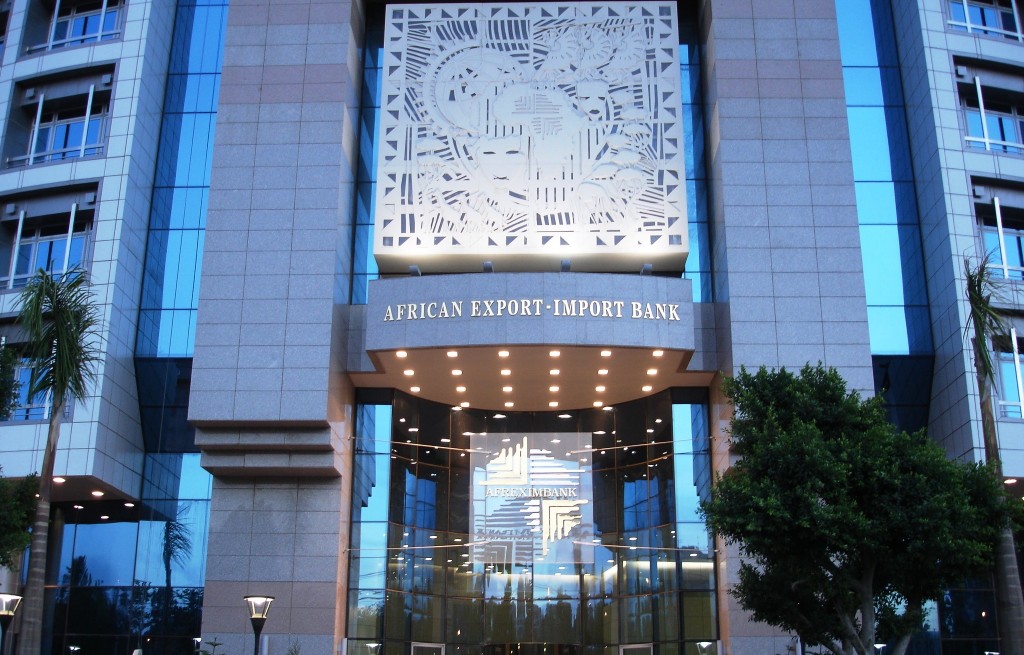
The African Export-Import Bank (Afreximbank) has officially terminated its credit rating relationship with Fitch Ratings, one of the world’s leading rating agencies.
This was communicated in a statement by the Pan-African bank on Friday, escalating a long-brewing disagreement over how Fitch evaluates its creditworthiness.
The bank says the agency’s assessment no longer aligns with its establishment treaty, mission, or mandate.
This brings to light deeper tensions between African multilateral lenders and global rating firms.
Also Read
What they are saying
Afreximbank stated that the decision was based on a fundamental disconnect between Fitch’s evaluation framework and the bank’s legal and operational structure.
- “Afreximbank has today officially terminated its credit rating relationship with Fitch Ratings. This decision follows a review of the relationship, and its firm belief that the credit rating exercise no longer reflects a good understanding of the Bank’s Establishment Agreement, its mission and its mandate,” the Bank stated.
- Fitch Ratings had yet to comment on the development as of the time of publication.
- Sources familiar with the matter said the downgrade by Fitch had led to increased borrowing costs for Afreximbank in the international markets, raising its interest rates and complicating access to affordable capital.
The bank maintains that its financial structure and legal protections are being mischaracterised by Fitch’s current rating model
Flashback
The fallout stems from Fitch’s June 2025 decision to downgrade Afreximbank’s long-term credit rating from BBB to BBB-, with a negative outlook — a move the bank contested strongly.
The agency had cited concerns about Afreximbank’s sovereign loan exposures and asset quality, particularly as several African governments faced debt restructuring.
- Fitch’s downgrade was based on increased exposure to sovereign borrowers like Ghana, South Sudan, and Zambia, all of which were undergoing or at risk of debt restructuring.
- Fitch and the bank disagreed over how to classify non-performing loans (NPLs), with Fitch estimating NPLs at 7.1%, while Afreximbank reported 2.3%.
- The agency raised concerns over transparency and the application of IFRS 9 accounting standards.
- Fitch argued that Afreximbank’s participation in sovereign restructurings could weaken its preferred creditor status — a key factor in multilateral bank risk assessment.
Afreximbank firmly denied any involvement in sovereign restructurings, citing its treaty protections. It also defended its financial reporting, stating that its classifications are IFRS 9-compliant and supported by external audits.
The episode came as African institutions began pushing for greater control over their credit narratives.
A few months later, the African Credit Rating Agency (AfCRA) — backed by the African Union — announced plans to begin issuing ratings by late 2025 or early 2026. The agency aims to provide a homegrown alternative to Fitch, Moody’s, and S&P.
In June 2025, Group Chief Economist and Managing Director of Research and Trade Intelligence at Afreximbank, Dr Yemi Kale, noted that flawed and externally-biased credit rating models are pushing up the cost of borrowing for African countries, despite their improving macroeconomic outlook.
According to Kale, international credit rating agencies continue to assess African economies using one-size-fits-all models that do not reflect the structure, risks, or policy frameworks within the continent.
What you should know
Afreximbank’s move is unusual in the global ratings market because it represents a rare, issuer-led termination of a major credit rating relationship following a downgrade — and in full public view.
- Most changes to rating coverage are either initiated by the rating agency or done quietly by the issuer as part of routine portfolio management.
- In contrast, Afreximbank’s decision followed a public dispute with Fitch over methodology, legal interpretation, and risk assessment — making it a market-facing event.
- Despite severing ties, the impact of Fitch’s downgrade remains, as Investors continue to reference its assessment when pricing Afreximbank bonds.
- With Fitch out, more weight will now fall on Moody’s and S&P’s evaluations, intensifying scrutiny on the bank’s sovereign exposure, asset quality, and reporting standards.
- The development also reflects a broader shift in how multilateral African banks are treated by rating agencies — increasingly like commercial lenders, not policy-driven institutions.
Afreximbank remains financially sound and strategically important, but the episode may have narrowed its margin for error in global credit markets.
Note: This story has been updated to reflect new information