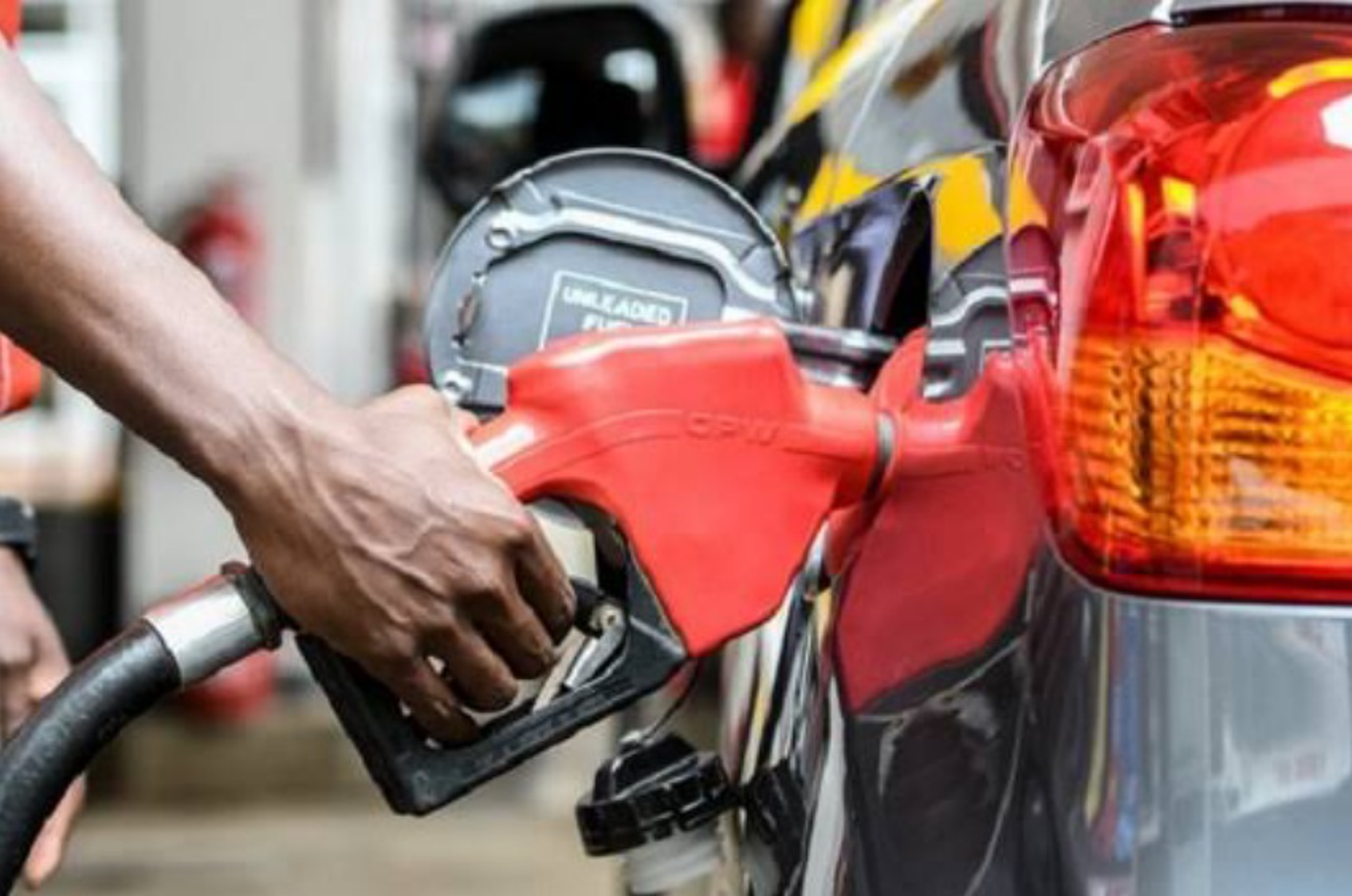
Nigeria’s daily petrol consumption dipped to an average of 52.9 million litres per day in November 2025, reflecting a notable shift in national fuel demand patterns.
This is according to the latest Fact Sheet released by the Nigerian Midstream and Downstream Petroleum Regulatory Authority (NMDPRA).
The November figure marks a decline from the 56.74 million litres per day recorded in October 2025.


Despite the drop in demand, the total volume supplied during the month showed increased contributions from both local production and imports.
Local Refinery Output Rises, Dangote Leads the Pack
Of the total petrol consumed in November, 19.5 million litres per day were supplied by local refineries, higher than the 17.08 million litres per day recorded in October.
A major driver of this increase is the Dangote Refinery, which continued ramping up operations, supplying an average of 23.52 million litres per day, up from 18.03 million litres daily in the previous month.
Although the refinery is still operating below its intended full capacity of 35 million litres per day, the NMDPRA described the current output as a significant milestone in reducing Nigeria’s reliance on imported fuel.
In contrast, the NNPC-operated Port Harcourt, Warri, and Kaduna refineries recorded zero petrol output during the period, as all three facilities remained in various states of rehabilitation or shutdown.
Imports Rise as NNPC Acts as Supplier of Last Resort
The Fact Sheet showed that imports accounted for 52.1 million litres per day of total consumption—an increase from 27.6 million litres per day in October. According to the regulator, the surge in imports was triggered by:
- Low supply levels in September and October 2025, which fell short of national demand
- The need to shore up national stock ahead of end-of-year peak consumption
- NNPC’s importation efforts to rebuild inventory and ensure supply security
- The delayed offloading of 12 vessels initially scheduled for October but discharged in November
The report noted that October 2025 recorded the highest consumption within the one-year review period, followed by November 2024 (56 million litres) and April 2025 (55.2 million litres).
Status of Nigeria’s Refineries
The operational challenges facing Nigeria’s public refineries continue to shape the country’s dependence on imported fuel:
- Port Harcourt Refinery: Restarted in late 2024 but shut down again in May 2025 for planned maintenance
- Warri Refinery: Came online briefly on 28 December 2024 but was shut down on 25 January 2025 due to critical safety issues
- Kaduna Refinery: Still undergoing rehabilitation with no production output
These setbacks underscore why local refining capacity—aside from Dangote Refinery—remains insufficient to meet national demand.
Diesel, Aviation Fuel, and LPG Consumption
Beyond PMS, Nigerians consumed an average of 15.4 million litres/day of diesel daily in November alongside 2.5 million litres/day of aviation fuel and 3,992mt/day of cooking gas.
The NMDPRA said the fact sheet was important as “the verified data underscored Nigeria’s strategic transformation in the energy sector, emphasising reduced imports, strengthened domestic production, job creation, safety improvements, and economic stability.”
What you should know
Earlier this month, Dangote Petroleum Refinery confirmed its readiness to take full responsibility for Nigeria’s domestic petrol supply, pledging to deliver 1.5 billion litres of Premium Motor Spirit (PMS) monthly, equivalent to 50 million litres per day, starting in December 2025.
The supply is set to rise to 1.7 billion litres per month (57 million litres daily) from February 2026, the refinery stated in a letter to the Nigerian Midstream and Downstream Petroleum Regulatory Authority.